From Tesla to Trepo: Matt Taylor’s Journey Reinventing the Kitchen with AI
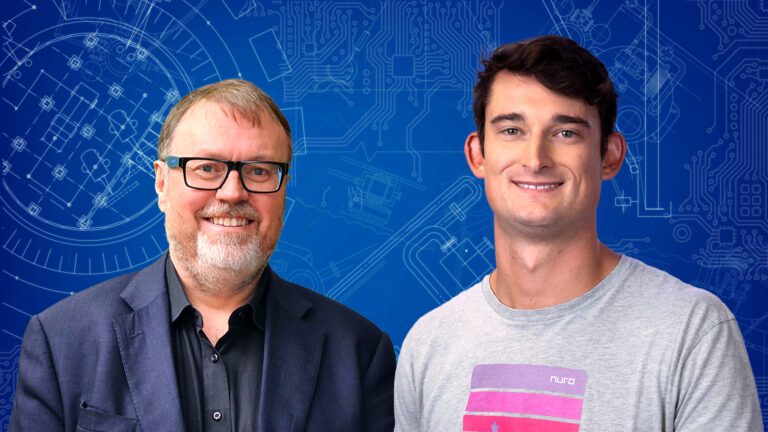
Join Paul Spain as he chats with Matt Taylor, Kiwi founder of Trepo, an AI-powered startup revolutionising the kitchen. Discover Matt’s journey from tinkering in New Zealand to working at Nuro and Tesla in Silicon Valley, and hear how he’s tackling food waste and kitchen chaos with smart hardware and software. Gain insights on true Silicon Valley grit, building hardware, rapid startup growth, and how AI is transforming everyday household life.
Read the full transcript
Transcript is computer-generated and may contain errors.
Matt Taylor:
We’re, we’re building a really good system that’s helping people with their current problems in the kitchen. And we’re taking that chaos away and you get to do the passionate, cool stuff like cooking and enjoying time with people and trying new things.
Paul Spain:
Greetings, I’m your host Paul Spain. Our guest today is Matt Taylor, founder of Trepo, an AI-powered startup building what could become the operating system for the modern kitchen. He is based in San Francisco, has a background as an electrical engineer, and his career has featured roles at Tesla and Neuro. Neuro, of course, the Silicon Valley-based company that’s Kiwi co-founded, and is focused on autonomous vehicles and robotics. Matt himself is also a former New Zealand representative and NCAA Division I water polo athlete and is now applying artificial intelligence and hardware innovation to help households reduce food waste, save money, and simplify grocery shopping. Without further ado, let’s jump into the podcast.
Paul Spain:
Matt, great to have you on the show. How are you?
Matt Taylor:
I’m good, mate.
Paul Spain:
How are you? Great, great. Well, thanks for taking the time out because I know that the sort of the startup life is incredibly busy. So yeah, thanks for finding a pod and a spot that you can join to chat. And of course, before we jump in, a big thanks to our show partners, to Spark, One NZ, 2degrees, Workday, Fortinet, PwC and Gorilla Technology. Well, let’s jump straight into it. Matt, I’m keen to hear a little bit, you know, from your background perspective, what sort of sparked your initial interest in engineering and tech? How did you get going?
Matt Taylor:
Yeah, that went back to my days in high school, probably. You know, I always loved to kind of put put things together with my hands and it started off extremely simple. I remember when I was like 5 years old, I tried making like a TV out of paper. You know, it literally just was like a cardboard box and I’d just draw crap on the paper and I’d just pull it through this cardboard. I’d be like, I’ve made, made a TV, you know? And I, I don’t know why that, that sparked something in me, but it definitely went back to Ringitoto College was, you know, where I did my first electronics class and you make Really simple things to start, like our first circuit I remember was a little circuit board which kind of flashed some lights back and forth, you had like all your components, capacitors, transistors, resistors, all of that good stuff there and we kind of had to solder it together and I was pretty crap with the soldering iron to begin with but just the way the electricity could flow and do different things at different times, it just like, it got me going and then— I unfortunately converted my garage, my parents’ place to a little workshop and started working on some funny things. You know, one funny thing I built back then was a voice activated shot pourer. This is at the age of 12 when clearly shots, pouring shots wasn’t really my priority in life. However, I built it with a little hobby motor, cut a propeller out of like 3 aluminum cans.
Matt Taylor:
You know, it was with like a Powerade cap and a shampoo cap and that was the only amount of water we could pour was a little kind of cap full of water. So, you know, just, I was like, well, can pour a shot and I won a J-car competition back then. So I was very, very proud of myself. But yeah, it just kind of sparked from there really. But always loved throwing things together, whether it be, you know, useful or unuseful. I think about 95% of them had really no use in the world, but I enjoyed it.
Paul Spain:
Yeah, brilliant, brilliant. And then how did you end up landing in the US? What was the way that that came about for you?
Matt Taylor:
Yeah, so I kind of dreamed of American Silicon Valley back in high school. And it’s actually quite funny because I remember, you know, I didn’t really have huge ambitions before that. Like I was just kind of, Messing around, you know, doing classes. Some things interested me like math, physics, electronics. Terrible at English, you know, couldn’t do that at all. But I remember once in one of my classes, one of the kids just goes, hey, what do you want to do? Like, what do you want to do in life? And that really got me thinking. Like, I actually have no clue what I want to do. Like, I’m just kind of going along in this world doing things that excite me.
Matt Taylor:
And then I really had no plan. And that one question which happened in one class really just sparked like a true conversation in my head, which still goes on today. And so, I just kind of started thinking and dreaming a bit more about like the future. And I thought, you know, I really want to go to Silicon Valley and I want to get to America and I want to go do big things. And so, luckily, I had something that helped me, which was I played water polo. Played that from a young age, played for North Harbour Water Polo Club just right next to Rangi, which was really useful. Started playing for the national team there and started talking to coaches actually in America. And so that was a fun time.
Matt Taylor:
Oh, that’s great. Yeah, that was a fun time learning how to do an SAT test and all that stuff. I remember I had to study for that test and they gave me a literal phone book-sized textbook to start studying for this thing. just to get into colleges, you know. And, and so the college admissions process was, was a really big eye-opener there. But luckily, water polo, um, got me a scholarship to a school called the George Washington University over in Washington, DC. Um, and, you know, we’re about 3 blocks from the White House, which was bloody cool. You know, you got Secret Service going around on campus and all, and all that good stuff there.
Matt Taylor:
But, um, yeah, that, that’s what kind of got me over here. And, um, yeah, I went over with my mate as well who, who played water polo, same teams and everything like that. And yeah, it was really good to just go with someone and start to embrace America. Our first meal was at IHOP, which if anyone’s kind of traveled to America and then gone to the International House of Pancakes, you know how good it is. And you say you want a coffee and they dump a literal container of probably 10 cups worth of coffee and it’s just unlimited. You just keep pouring yourself. And it really opened my eyes up to how Americans do things, which is really big.
Paul Spain:
Um, but yeah, yeah, yeah, really, really is huge. That’s so cool. Now, I mean, how do you, how do you get from going to George Washington University to Silicon Valley though? Like, these, these things, you know, aren’t, aren’t always the, uh, the easiest, uh, things. And to end up at, you know, Neuro and Tesla and having your own startup, um, you know, walk us through what what that looked like. And I guess some of this was during COVID right?
Matt Taylor:
Yes, yes, correct. It was, you know, George Washington is a fantastic school and they are very good at certain things. You’ll kind of see a lot of colleges in America specialize in things and George Washington University is amazing at politics, you know, political science, law, international affairs and that stuff. And the engineering side, you know, it wasn’t that strong, but they just were investing in it. They built a brand new $500 million, 8-story building like the year before I get there. And so they’re really trying to, you know, make it something which was really awesome. And so going in there, you know, it’s definitely on the rise, but you’re so right. Like it’s, it’s very far away from Silicon Valley.
Matt Taylor:
Silicon Valley loves the schools around it. You know, you got your, you got like your Stanfords out there and a few others down south as well. And they just funnel into Silicon Valley, especially some of the Canadian colleges too. And so if you’re on the East Coast and you’re not at an Ivy League, they don’t really care about you, you know? So like you could be aspiring, you could be wanting to do all this stuff and it’s very tough. it’s very tough if you’re trying to apply to places over there, you know, they just kind of, they, they just filter you out in that initial process. And so, um, basically I pushed, I pushed really, really hard to, um, try and to, to try and get over there. And I was just falling flat on my face throughout the years. Um, and so you’re right.
Matt Taylor:
I went to school during COVID So my final year was, um, was in COVID and the world changed rapidly. And, um, basically I was rooming. with another Kiwi who played squash for the school as well. And we basically were in such a unique position. We couldn’t make it back home because New Zealand had kind of shut most of the world out to keep things pretty protected. And then in America, no one’s in the offices to file anything. So you can’t get a bloody work visa. You can’t do anything there.
Matt Taylor:
So we, yeah, we ended up sleeping on couches a little bit there for a few months.
Paul Spain:
Classic Kiwi thing.
Matt Taylor:
Yep, exactly. May have missed a couple rent payments and all that, but, you know, we’re all good. Well, I might pay them back one day. I think they’ve forgotten who I am right now. But anyway, we, through COVID, I was also working on a cool engineering project where I was building a touchless screening system for our GW Hospital. And they were basically like, look, we have thousands and thousands of people coming through. We’ve got our nurses having to take temperatures of every single person manually walking in, and we’re putting too many people at risk. And so basically, while I’m sleeping on couches, I’m actually building up a kiosk with some other engineering friends at George Washington where basically it would just do it all touchless.
Matt Taylor:
We built an array infrared thermometer before they were even on the market. We built a complete touchless screening system. And so, we started to screen thousands of people and take those nurses out of those front lines of temperature screening, which I’m really proud of there. But, you know, we’re doing that while sleeping on couches too. So, we kind of just sleep, wake up, throw a Red Bull down and just work, you know, an 18-hour day and try to get this thing going. And then, we’d go to the hospital and try it out. So, yeah, we were doing that and I was serving some beers on the side. You know, and, and one thing led to another and I was serving a beer to one of my teammates’ dads and he was like, Matt, like, why are you doing this right now? You’re an engineer.
Matt Taylor:
You’ve just got your master’s in electrical engineering. Why on earth are you serving me a beer? Kind of told him, told him my story and all of that good stuff there. And he was like, all right, I’m going to, I’m going to make some calls. And he actually, his neighbor was a guy called Anthony Moss. And, you know, he’s, he’s a great swimmer back in the day and he’s done a lot of good entrepreneurship stuff as well. And he’s a Kiwi. And so he’s like, I’m going to get you on the phone with him. Got on the phone with him and kind of, you know, just gave him the whole rundown of how crap it’s been lately.
Matt Taylor:
And he was like, great, I’m going to make a call as well. I know a guy called Dave Ferguson. And Dave Ferguson, for all the listeners out there, is a great Kiwi founder of a company called Nuro. They’re building autonomous vehicles and the autonomy stack that can go on more autonomous vehicles. And basically they just hit their 10-year anniversary, I think. And basically he gave me a chance, you know, I was on the couches and he just got me in for an interview and it went well. And then I joined the team as a circuit board designer. So that’s kind of how it just started everything off.
Paul Spain:
What an amazing story, the different linkups. And, you know, I mean, for those that don’t know Anthony Moss, I mean, you know, Olympic gold medalist, right? So, you know, just one of, you know, so many incredible Kiwis around the world. And it’s so awesome the way the networks can link up. And, you know, next thing, you’re getting an opportunity with Dave Ferguson and Neuro. Wow. So, tell us a little bit about, you know, what that journey looked like inside Neuro, because how long were you there with Neuro for?
Matt Taylor:
I was at Neuro for about 3 years, 3 years. So I joined right in the peak of COVID Luckily, Neuro got, we got exemptions for workers to go into the office because back then, you know, no one could really even go outside or go to the office or anything like that. But we had to work on hardware and Neuro was actually, back then we had our vehicle, the R2, and they were actually deploying that at areas that could help people. So I think they set up a couple of arenas. to actually, it was like a kind of pop-up medical center and they’re actually running the bots through there to deliver supplies to them. And so we got kind of like a, I forget the term for it, but you know, you’re a critical worker. And so we could actually go into the office and work on it. So we were really chipping away there.
Matt Taylor:
The work was awesome, really awesome. And I’ll tell you, just, it’s really, really cool to get an inside look. at how a founder does things. And I really credit Dave to being an inspiration to the work that I’m doing now. And I’ll still hit him with the old 2 AM text message of some questions I’ve got and stuff like that. And he’ll give me some really, really good wisdom there. And I’ll give a quick piece of wisdom to anyone out there who is, you know, trying to work on something. And the wisdom he gave me was find a co-founder.
Matt Taylor:
Like it’s very, in this world, you can build a lot on your own. You can get on your computer and build anything today, but You need someone who’s going to challenge you, but also pick you up when things get really hard. And I’ll tell you right now, that is my lesson completely. I’ve got a great co-founder, Zach. He’s been a buddy of mine. He went to George Washington with me. We played water polo together, lived together, and he’s just like a godsend. And so that wisdom that Dave passed to me, like it couldn’t be more true.
Matt Taylor:
So I wanted to hand that off to the audience, but yeah, the work was great, you know, venture funded company, Raised billions of dollars from some of the top VCs. We’re doing deals with huge companies like FedEx and Kroger and Domino’s and stuff like that. And we’re getting vehicles on the roads and it’s a really big responsibility as well. You know, these vehicles were driving around Mountain View. We had a lot of Prius mapping vehicles too, going over all other states in the country. Nuro was one of the first ones to get a permit to run a commercial autonomous vehicle. So, While that’s exciting, it also means like you’re the one who’s really, you know, like getting it out there and taking on the risk. So it was a lot of responsibility.
Matt Taylor:
I had an amazing team. They built up a fantastic group of guys and girls as well. And we, yeah, we just worked really hard on a big problem.
Paul Spain:
So yeah. Yeah, fantastic. I think Dave Ferguson and Euro probably don’t get enough attention here. in New Zealand. But for those that are interested, we’ve done a podcast with Dave, probably across on the New Zealand Business Podcast. So, one that folks might enjoy having a listen in to. It’s probably getting about time we did another one. Last I looked, their valuation was sort of north of $10 billion, you know, in New Zealand dollar terms at least.
Paul Spain:
So, yeah, what’s going on there is incredible. So, what was the nature of the work that you were doing? within Neuro?
Matt Taylor:
Yeah, so the cool thing of working at a startup, right, is you get signed on wearing one hat and you go out wearing 24 hats, you know, like, so I basically got signed on designing circuit boards. And so this would range from our custom-built radar modules to motor control boards. We even had a drive-by-wire board, which literally would send the signals to the steering wheels and the pedals and stuff like that and actually drive the car just from a board rather than a person doing it. And so basically the scope of my work to begin with, first of all, was just to learn, right? Like you just get thrown into this industry and from a technical standpoint, look, college is great, but you really don’t learn how to do things practically until you get into the industry. So, you know, anyone out there who’s going through school or anything like that, like, Go and get some work wherever you can, whether it’s just you’re tinkering on the side or you go and meet a company. Like there’s some amazing New Zealand tech companies now and like even just do a walkthrough, go see the engineers, go see what they’re working on. I’m sure they’ve got a million NDAs if they’re copying the American folks and sign them and go and look at that. But you really learn a lot.
Matt Taylor:
And I luckily had some really good mentors there. They’re some of the best PCBA designers I’ve ever seen in my life, and they just took me under their wing. They grilled me, that’s for sure. They definitely grilled me, but they really brought me up as a good board designer. And so I started off with that, taking on more and more design, and then I started to take on a bit more systems integration of those boards as well. Because again, if you’re a startup, you don’t just have someone for every role, and so you just got to start forging your own role really. One example was we didn’t have like an end-of-line test system for a certain thing, and I just had to hack it together with a Raspberry Pi. And I basically went down to the factory down the road and just start running an end-of-line tester, which actually kind of paved way for what I started to do at Tesla, luckily.
Matt Taylor:
But yeah, that’s basically like the nature of the work at a startup. You just, you got to start adapting and just getting it done, you know?
Paul Spain:
How do you think being a Kiwi helps in that? Because certainly, I mean, you spent your career in the US, but it’s so normal for Kiwis to be part of smaller organizations and organizations where it sort of needs must. And we do a bit of everything. And obviously, your tinkering and so on, Uh, you know, prior to going to, to the US, uh, you’d, you’d touched all sorts of things and, and experimented a lot. Do you think there’s, there’s something there that, uh, that plays in and helps Kiwis, uh, you know, when, when we get out into, uh, uh, startups and, and out, uh, internationally?
Matt Taylor:
Yep, I think Kiwis definitely have, have grit in them, just inherent in everything they do, and I think that carries through to a lot of other things. It’s not just, you know, when you play sport and you’ve got to go the extra yard to maybe clean up something or help someone out or do a solid for someone. Like, it really even plays into the professional world as well. And I think Kiwis are just really good at getting things done and just like not really complaining about it. I think that really helped me as well because that grit, especially in a startup environment, you just got to push through and get the thing done because guess what? There’s no one else around you that has capacity to even do it because everyone’s just working so hard. So to have that kind of mindset where it’s like, I just need to push a little harder right now in order to get this thing done and not worry about these other little kind of intricacies at that moment. I think that really, really helps there. I think also just coming from more humble grounds as well in New Zealand helps.
Matt Taylor:
Like, in New Zealand, I think we just, we’re a lot more grateful for a lot less compared to America. And so, I think when you come to America, anything wows you because it’s just the norm for them. It’s the status quo to have access to the best technology and the best services for this and all of this stuff. But I think when you come from New Zealand, you just, you’re a little happier with a little less. And so it kind of means that you can work a lot more in environments that are a little harder and don’t have all the resources for you, which is obviously in startups. You know, they don’t have every single resource there. Most of the time it’s like, get in and figure it out. And it was the same mentality at Tesla as well.
Matt Taylor:
And I think that New Zealand kind of, the New Zealand humility really helps you just dive in there.
Paul Spain:
Yeah, great. Now I’m keen to hear about getting from Neuro to Tesla. How did that come about for you?
Matt Taylor:
Yeah, yeah. So I don’t know, there’s an issue with me where I’m never satisfied. And I’ll tell you, my girlfriend hates it. I’m always trying to do something, always, always, always. We’ve just moved into a new apartment in San Francisco and absolute big, big move. We DIY’d the whole thing. We didn’t get a moving company or anything like that. So, a lot of work over the last few days, especially while we’re working our jobs.
Matt Taylor:
And I’m always like, well, I’ve got to change the bulbs. You know, they’ve got to be multiple color and voice activated. And, you know, what about the toilet seat? What if it could move up and down automatically? And it never, ever, ever stops. So maybe I can fix that flaw one day. But unfortunately, in my transition from Niro to Tesla, it was strong as ever. And I was like to myself, you know what, I think I want to chew a bit of glass. And where do you go when you want to chew a bit of glass? You go to Tesla. And so, yep, it was an absolute ride working for Elon.
Matt Taylor:
But yeah, I was kind of ready for that step to just push a little harder in terms of like just the manufacturing world of things. So Nuro’s designs and autonomy are world-class and they’re showing that right now with their partnerships that they’re doing. But we never really got to push hard on the manufacturing side. You know, we were starting to do partnerships with BYD, but the quantity was always, it wasn’t, you know, mass scale in the tens and hundreds of thousands. And I really wanted to see that. I really wanted to see that through. And so I knew manufacturing was painful. It’s not beautiful, but I really wanted to do that.
Matt Taylor:
And so that kind of just spurred the transition to Tesla. And so I went to Tesla, joined the manufacturing side of things and, you Yeah, got started.
Paul Spain:
Cool.
Paul Spain:
Now, I’m kind of curious around what the work is like and whether it— well, yeah, probably both sides, sort of Nuro and Tesla. You talked about chewing glass. Like, how intense and full-on is the Silicon Valley, is the Tesla You know, lifestyle these days?
Matt Taylor:
It’s intense, but it’s some of the most fulfilling work you’ll ever do. It’s extremely rewarding, but it requires a lot out of you. Now, I think a lot of people kind of look at that and, you know, a lot of my friends and family and stuff were kind of looking at me as I was going into this new company and doing this. And quick, quick side note there, I actually picked up a nice concussion just before going into that job. I kind of took some weeks off from, from, from neuro. And yeah, I got concussed actually in water polo. And I, my first day at Tesla, I didn’t tell my manager this, he might find it out through this podcast, but I actually, my first day at Tesla, I was concussed. And so that was a nice little thing to start with.
Matt Taylor:
But yeah, that obviously subsided. But yeah, so back on track though, my friends and family were thinking like, gosh, this is a lot for you. Like, you know, I’m hearing what you’re doing. I’m hearing the hours that you’re getting home.
Paul Spain:
Yeah.
Matt Taylor:
And I haven’t even talked about my extracurriculars, which I was doing at the time. But inside that company, you are working with some of the most mission-driven and smartest people that can be put together. And so, it really keeps you going because it’s not like you’re the one lugging a cart up a hill. You’re lugging a cart, but there’s 16 other ropes attached to it. And there’s 16 other people also lugging it probably harder than you. And they need you to pull it as well. Otherwise, that cart slips down.
Paul Spain:
Yeah.
Matt Taylor:
But you just keep pulling and you pull harder because all those other people around you are just doing exactly the same effort, even more. So, it’s extremely inspiring to be there.
Paul Spain:
Wow, that’s cool. Now, the work that you were doing there, part of that was on the robo-taxis. Can you talk a little bit about, you know, some of your work there? I’m sure folks would be kind of quite, you know, quite interested in that, that’s still kind of, you know, what’s emerging. in terms of technology, right? And you were right in there.
Matt Taylor:
Yep, yep. I worked on a few vehicle programs at Tesla and my kind of baby was the CyberCab, which is, I think, what the new marketing term is now for that. But yeah, that’s what I was working on mostly. It’s an amazing vehicle. It’s been designed with fantastic new architecture as well, which put a lot of work on, you know, the whole company, the engineers, the manufacturing, everything. And I’m just now seeing them drive around San Francisco actually, which is really cool just to see them moving around now with their nice gold plating and all that good stuff. Yeah, it was a lot of good new work. And yeah, I’m trying to think how to phrase this in a way that the Tesla legal team will be happy, but it was good work.
Matt Taylor:
It was good work. Yeah. Okay.
Paul Spain:
Okay. And of course we’ve seen some of them around New Zealand recently. A lot of automakers use the, you know, the the proving grounds in the South Island during the winter here because they get an extra shot at winter testing. And they’ve been seen driving around Queenstown and Wanaka too. So, there’s a few people out there sort of spotting and taking photos and sharing, getting excited. So, yeah. So, look, I’m really keen to delve into Trepo. So, maybe we can start with that in terms of making a transition, you’re working with one of the planet’s most well-known and exciting firms when it comes to, you know, technology and innovation.
Paul Spain:
We won’t go into, you know, Musk politics or anything like that today, but, you know, you’re in that environment. Obviously, you know, they’re working you very, very hard, but you’ve talked about how satisfying it is. That’s a pretty big call to decide, okay, I’m going to give up what many would look at as an absolute career pinnacle to get into companies like Nuro and Tesla, but you’ve got bigger ambitions. So how did you go about making that decision? What sort of sparked your ideas?
Matt Taylor:
Yeah, I’ll tell you what, Paul. It goes back to that, that thing I said about Kiwis just being, being totally fine with what they’ve got. I think that really helped me because obviously that jump into the startup world, you get thrown into, into an environment where nothing is certain. Like you’re, it’s an existential crisis every single day. Um, whether it, whether it’s, um, career. pay, just stability, housing, even like your social life and stuff like that. It’s all put into question when you jump into that startup world. And, you know, at Tesla, like it was a nice stable life outside of work.
Matt Taylor:
Like they pay you that nice Silicon Valley pay. You’ve got amazing health insurance and dental insurance, which I didn’t really realize how great that was until I made the jump over. And obviously, you know, when you work at companies like Nuro and Tesla and you’ve got that sort of experience under your belt, you can kind of jump to the next job. You know, when you decide, oh, Tesla’s not really for me, there’s so many autonomous vehicle and automotive companies around the Valley that, you know, when you’re unhappy, just go talk to the next guy and the next guy and just kind of start shopping the offers and see. So, There was a lot of stability there. And so it’s a lot to walk away from, but I think the funny thing was, was I was just fine with it. I was fine with losing everything. I was fine with putting it all into question.
Matt Taylor:
And so it wasn’t even really a decision for me. Like, I just felt like I had to pursue it. And I didn’t even think twice about walking away from that stuff. And I know, I know that sounds a little crazy at times. But that was just, that’s just how my brain’s wired actually. And so I think the issue was, as I saw in, when I started diving into the startup world, I started to feel a lot of those pains. And then I was like, oh, this is a little uncomfortable. So I’m actually kind of glad I just made the leap without, you know, really feeling too much because yeah, it’s a really, really fun journey.
Matt Taylor:
But basically the way I made that transition was I, like I said, I love tinkering and that kind of continued through my whole life. When I started my career at Neuro and Tesla, I wasn’t tinkering as much because I was just so busy and those companies were working on really important missions. And so I wanted to just dedicate as much time and energy as I can into that. And so I kind of lost the tinkering a little bit. And Yeah, that’s always been a part of my life. And so I started to pick it up a little bit. And something I really care about is sustainability and especially just use, consumption of things. And I love thinking about waste and how we can reduce it because it’s a massive, massive issue in this world.
Matt Taylor:
Not only just waste of plastics and stuff like that, but also waste of food. I mean, you know, the average household in America wastes $300,000 a year. You know, that’s 2 iPads for kids at Christmas that you’re just throwing away with food. It’s 30 to 40% of all of the food that we eat. And it’s a huge contributor to greenhouse gases as well. It’s about 8 to 10% of the global greenhouse gas emissions. So it’s just an insanely big problem there. And so the first thing I was actually working on, funnily enough, was a recycling truck.
Matt Taylor:
just on my own. And I got some help of some buddies as well. And the idea was that 25% of all recyclables get ruined on the truck. Think about it. You put your cardboard in and someone also puts a half cup of coffee in and that cup of coffee ruins the cardboard and that ruins a quarter of the truck every time. And I was like, if we just solved that point when trash enters a truck, you could really boost up the recycling rate. And look, recycling tech is improving as well. We’re getting better sorting there.
Matt Taylor:
And so I was like, hey, why don’t we throw a bit of sorting on the truck? You know, I’ve learned the Tesla automation world, all the factories that have these beautiful automation robots and all that. And it’s, you know, if anyone does a trip through the US, definitely try to get a Tesla tour because they’re amazing. But I was like, why don’t we just throw it on the truck? And, you know, if you can just sort it when it comes into the truck.
Paul Spain:
great.
Matt Taylor:
You know, you get these beautiful batches of cardboard, glass, metal, all that good stuff. And so, um, you can imagine working on that whilst working at Tesla was not the, uh, the most— the, the best use of time if you value anything else in life, because I didn’t have any time. But unfortunately, I picked up another activity, which was to do Ironmans. Uh, so once I kind of retired from water polo, um, after a knock on the head, I was like, ah, you know, I should do some triathlons as well. And so I Luckily, I’m not—
Paul Spain:
Why not?
Matt Taylor:
Yeah, why not? You know, like with the extra little bit of time in the day. And so I will credit my girlfriend here. She’s just been absolutely amazing with all the patience she gives me with all this, you know, whenever I get home, I’m always like, oh, I’ve got to go and do this other thing. And so she’s incredibly patient and she teaches me a lot about patience as well. I’m still learning the whole like use of time and a bit of cleanliness, but we’ll get there. But So I was training for Ironmans. I just qualified for the Ironman 70.3 World Championships in New Zealand. And so I’m, I’m doing all 3 of these.
Matt Taylor:
I’m, I’m working long days at Tesla. Some of these days will stretch long into the night. And I’m also, you know, working on my truck and I’m trying to get my Ironman training in. So I would literally get home at 11 PM at night. And I’d go on a run. I would literally run from 11 till midnight down in Embarcadero in San Francisco. And it was just chaotic. And one thing that really hindered me was my health.
Matt Taylor:
My health was really deteriorating there. And it basically tracks down to my eating. You know, I had comfortable income. So I’d go to Whole Foods. I’d get my lovely grocery haul of my chicken, my broccoli, my rice, everything I’d aspire to eat. And I just didn’t use it. It would just rot in the fridge and then I’d throw it away. I’d get Uber Eats and I would just continue the cycle.
Matt Taylor:
So, I’m wasting money, I’m wasting food, and I’m also wasting my health because when you’re ordering butter chicken at 1:00 a.m. in the morning and smashing down a pack of candy just to get the carbs in, it— and I’ll also say that my mom is a nutritionist. So I should know better, but I physically just could not do it. And so this started my whole journey of trying to tackle this problem for myself. And that’s what kind of paved the way for Trepo.
Paul Spain:
Fantastic. So maybe just in simple terms, you know, break down, you know, what is the problem that you’re solving for the everyday household with Trepo?
Matt Taylor:
Yeah. So, with Trepo, we make the kitchen easier. The kitchen’s an interesting place. It’s a place of absolute passion. You know, you may be cooking something you love. You may be cooking something that was grown by a local farmer who they’ve poured time and energy into. You may be cooking something for someone to celebrate. There’s so many other ways we can cook, which really makes it become a passion.
Matt Taylor:
But at the same time, the kitchen is the most chaotic place in the whole house. And so, it’s just crazy that it’s such a combination of these vastly different worlds together in usually quite a cramped room. Like, it’s just an insane scenario. And we were basically thinking, what if we just took the chaos away and the kitchen came back to a place of passion and only passion? And that’s what we’re tackling with Trepo.
Paul Spain:
So walk us through how, you know, how it works. You’ve got your AI fridge magnet, which is, you know, the physical device. So you’re getting a physical device. as part of the picture, but your software has been tracking incredibly well. You’ve had some amazing growth. So tell us a little bit about how it works, and then you can maybe break down a bit of that growth for us. The hockey stick growth.
Matt Taylor:
Yeah, it’s a nice hockey stick right now, and that’s certainly adding to the chaos right now. So we do have a kitchen assistant that can sit on your fridge. Sits on the outside of the fridge. It’s not like these traditional ones, which kind of look in. This is designed to help you manage your entire kitchen. And so you can stick it on your fridge. You can stick it on your kitchen’s fume hood. We’ve even got a stand as well.
Matt Taylor:
You can just sit it on the bench as well. And what our kitchen assistant does is it allows you to log things without the use of a phone. Which, you know, a lot of people might say, hey, an app is really, really useful. You know, you’ve got the most powerful computer in the world in your hand. But we’re in a world where opening your phone up is an issue. The first issue is that it’s quite tricky to, you know, open up your phone, swipe, find the app, tap the app, tap the function, and log something just to log one item. And then there’s the other side of the issue where opening up your phone now, opens up the opportunity to maybe go doom scroll, maybe go get sidetracked on something else or get caught up in something online that now takes your mind space away. And so, people are starting to protect themselves from time on the phone.
Matt Taylor:
And I think that’s incredibly important now because in this digital age, it’s just— I think it’s the Wild West right now on who wants people’s attention. And we’re basically saying, no, we want to, we want to not only give you money back, we can give you about $3,000 back per household with this solution, but we want to give you time back. We want to give you time to enjoy that passion, enjoy time with your family, because I certainly didn’t have that time. And I really, I really noticed the effects that that had on me. So this obviously means a lot to me personally. But the cool thing with the assistant is It’s got a downward-facing camera. We’ve built it with privacy in mind first. We don’t look into your home.
Matt Taylor:
It’s just looking down at the floor. And you can simply just hold an item in front of it. You can say, hey, I want to check this in or check this out, just like a self-checkout. It’s super easy. It snaps it in a second. And so that allows you to just easily kind of manage the traffic in and out of your kitchen. You can hold dishes under and get the macronutrients and get some advice on that. And it’s also got a microphone, which is, it’s off all the time, but if you want to hold it, it turns it on and you can actually speak into it and you can say things.
Matt Taylor:
You can say, hey, I forgot to lock this, or can you add this to my shopping list? And it’s got a nice little scroll knob as well to make things easy because as anyone listening knows, when you’re trying to follow a recipe and you’re swiping your phone and you’ve got egg whites on your hands and it’s an absolute nightmare. So we build in a scroll knob just to make life easy and make it super usable. And what we’re realizing is People absolutely love it. They want it to be a replacement for their phone in the kitchen. So we’re actually going to push some cool updates soon. And I’ll leak one in this podcast today is that soon you’ll be able to read your recipes off of it as well. So no more swiping the TikTok up and down, restarting it, restarting it, saying, what did they say again? What we do is we extract that and you can just send swipe up, sends it to the device and you can just easily just scroll through. And it’s a no-phone experience for cooking.
Matt Taylor:
So that’s our kitchen assistant right there. Now I’ll credit my co-founder for the app. My co-founder, Zach, already touched on him already, but he’s a fantastic guy and he’s a great business brain. You know, I love building stuff, but he loves making money. And so I think it’s a good mix right there because obviously as a business, you know, you’ve got to survive. And so he’s like, look, We should launch an app because it can help way more people. And so I loved that because like he is, he is the business guy, but it was the most counterintuitive thing for him to say, let’s launch a free app as well. And I just, I was like, you sure? Like, you know, we’re, we’re a startup.
Matt Taylor:
Like we’re, uh, we’re not exactly running with, with Tesla’s, uh, cash flow right now. And he goes, no, let’s do it because it can get it out to more people. And help solve their problems. And, you know, whilst we’re developing this, this kitchen assistant device, we can also just get the reach out to so many more people. And it was just so interesting how counterintuitive that was to what he’s good at doing. And it just, it passed with flying colors. People absolutely love it. It’s helping them manage their kitchens.
Matt Taylor:
We get hundreds of messages a day from people just saying, thank you so much for this. And so we’re texting them back. We’re literally having conversations with them every day, helping them out. You know, they want this feature, they want that feature. And we’re like, you know what, let’s build it in. Like, you want that? Let’s help you. So we’ll, you know, a lot of the stuff we say, hey, like, we’d love that idea. We’re going to build that in.
Matt Taylor:
Give us a couple of days and check the app and it’ll be live.
Paul Spain:
Fantastic. Now, the pace of building, whether you’re in Silicon Valley or whether you’re in Waikikimukau, you know, it doesn’t really matter where you are. We’ve got access to the most incredible, incredible tools today. How is, you know, building a startup in the AI era, how does that look for you? And how do you think that’s different from, you know, building something if it was, you know, say 5 years ago?
Matt Taylor:
Yeah, I mean, I, you know, I built, I built stuff back then as well as, and it’s, it, it, I think everyone knows how using tools today can just increase the speed of development. It’s just insane that, you know, for a mom-and-pop shop down the road, they don’t need to use some extremely expensive service anymore, they can try and do it themselves. Or if that service is still offering something, that service can also do things much quicker now and possibly even give them a better deal. And so I think the access to faster development for anything is just, it’s, it’s just gone up. It’s a step function in the last few years. And I think that’s really, really awesome. And so for us, obviously, Our development has been much quicker than we ever anticipated. You know, I was always tinkering and it would, I remember so many nights of reading Stack Overflow for any of the engineers out there who remember that.
Matt Taylor:
And just like trying to understand like, why isn’t my circuit doing this? And it would be hours and hours and hours just to figure out one thing. And now that thing can be figured out in a second. It’s just crazy how quick it can be. Now, I will speak though to the responsibility that comes with that, especially when you get stuff out to consumers, because yes, you can ramp stuff up really quickly, you can get a demo made and all that stuff, but you may solve their problem in an instance, but it’s that continuous support that really differentiates the companies that last from the companies that don’t. Because I think if you’re just slinging stuff with AI, yes, you can get a lot done, but I think you’re losing that kind of thought of like, hey, we also need to continually support these people that we are serving. And with that, it actually takes a little bit of a human component. So we’ve actually had to go back to a lot of manual things. You know, all of our communications are manual.
Matt Taylor:
We don’t run any comms with AI because people know that now. Consumers are very, very smart. They have that gut feeling to them when they know that something’s not right. And so they’re definitely picking up on that. So if there’s any lesson out of all of this, what I’m saying is you have to be really particular with right now what you are offloading to these tools and what you don’t. And make that decision, think really hard on it. And you can try a few things out and always revisit it. But once you’ve made that decision, yes, automate whatever you can with the stuff that it can do, you know, with 99.99% accuracy.
Matt Taylor:
But the other stuff, you’re better off really keeping an eye on it for now until the tools can get better at that stuff. But, you know, we’re a consumer company. We really want to solve real problems in real homes. And so we’ve got to be very careful with not just slinging some stuff to them. We really want to be in the home with them, Zac and I, just like asking them questions, just being like, hey, what’s wrong? What’s up? And learning from that and then developing a better solution for them.
Paul Spain:
Great. Now there’s, I guess, multiple sort of aspects to what Trepo can do. Oh, and just a sidetrack. Are you in the app stores sort of globally now? I think when I looked, I didn’t see the app here in New Zealand. What’s going on there, Matt?
Matt Taylor:
I know, it pains me. It pains me right now because, you know, I love the bloody Kiwis. I want to come back and support any way I can. But right now for us, I think it’s about focusing on a market and really executing there and really solving a problem for those people. And so we’ve picked America as our market. You know, we’ve, I’ve been in America for about 10 years now and Zach’s American. He’s from Southern California. And so, yep, right on the App Store.
Matt Taylor:
Unfortunately, we’re only available in America right now, but, um, you know, one day there might be a plan to expand there. But, um, I think right now I’ve just got to be really, really laser focused on a market. And as people know, like America is a fantastic market. I think like San Diego alone has 6 million people, which is just like a crazy amount just for one city. Um, you know, I spent some time down there and it’s just crazy that like that reach right there in one city. Um, is quite a lot already. So I think we’ve just got to be focused on that. But yeah, I really hope we can—
Paul Spain:
Maybe we’ll have a side chat on that. And I don’t know whether there’s some introductions to be made. I think one or two of our listeners are in the sort of space where maybe there’s sort of some compatibility. Chris Quinn, who heads up Foodstuffs North Island here, You know, that maybe with the sort of supermarkets and so on, there’s some opportunities. But no, no, we’ll— I’ll keep nudging you on that one. But maybe you can sort of just break down, you know, how and what are the range of things that Trepo is helping with and actually how that, you know, what that actually looks like.
Matt Taylor:
Yeah, so it’s— I’ll speak to the journey of figuring out like how we serve our people. And I’ll start up by saying we’re originally wrong. Like, I originally thought that this was going to be a fantastic individual health insights company. You know, like we could, if we can really track granularly what people are eating, which has never been tracked before, because as anyone who’s gone to any sort of dietitian, nutritionist knows, it’s it’s typically diet recall that’s done. And, and that, that usually takes the form of they’re asking you kind of what, what you’re eating and stuff, and you’ve got to kind of remember. And you also got to tell them truthfully, which like, I, I probably wouldn’t be telling them about this Red Bull I’m having right now. Um, but you know, there’s so many flaws in it. And so there’s some apps now which allow like a bit of logging and stuff like that, but they still require the use of a phone.
Matt Taylor:
And, and like I said, a lot of people don’t want to be pulling their phones out for a lot of manual logging anymore. So yeah, that’s kind of where we began. It’s like, let’s nail like health insights. Let’s really take this and let’s help people with their health. But I was missing something. And it was quite funny because at Tesla, they really teach you to think in first principles, right? Break the problem down into the lowest level blocks you can. And then build it up really well instead of kind of starting top down and trying to build it from there. And so I think what we had to do there was really look into like, how does that problem happen in the kitchen of poor health, poor food usage, a lot of waste, a lot of money wasted, and also just chaos and emotions in the kitchen? And we really had to think about like, how does that Why does that happen? And we tracked it down.
Matt Taylor:
It’s down to the food traffic in your kitchen. We call it the food traffic problem. It’s about the actual utilization of what you’ve got. And we saw it immediately from users, especially on the device and on the app. And a lot of them just cared about what’s in my kitchen. You know, like that question right there, for anyone who’s gone to the supermarket and has to call their significant other who really doesn’t want to take a phone call at that time because they’re probably doing something else.
Paul Spain:
Yeah.
Matt Taylor:
Yeah. You know, it’s a very common question that no one can answer. No one can answer. Right now, I couldn’t tell you what’s in my kitchen, but, you know, now that I can check the Trepo app, which is available in the App Store in America, now I can see it. So that was really the problem that we realized we had to solve is just give the transparency of what’s in there. Now, we’ve built on some lovely features for people. One of them is we provide recipes with what you actually have. It’s not just a recipe with, you know, this is great inspiration.
Matt Taylor:
It’s like, hey, this will use up these 7 items that we know are in your kitchen. And people love it. They can just use things up and get on with it and make a really tasty new recipe out of that. We also do other things like we track macros for dishes if you want to track your dishes. And we have an assistant as well. We can ask, anything, anything about, about your kitchen or what you want to do or anything like that. And it’s really useful for maybe you just want to say, hey, what do I cook tonight? Or, you know, I’m typically asking like, hey, I’m cooking for my girlfriend. I want to get high protein in for myself.
Matt Taylor:
I am a bad cook and I don’t have too much time. And our assistant will, will give you the perfect recipe for that. Some other really cool things we do in the kitchen is we have a whole virtual kitchen and we show you the shelf life of items. This is not the expiration date. I’ll tell you right now, expiration dates are an interesting thing. There’s a lot of things out there saying that like, you know, maybe you can use it a little after the expiration or maybe the expiration is a little too late and stuff like that. But what we do is we just give you a general shelf life of each item. So we say, hey, this is probably good for this long.
Matt Taylor:
And that’s good enough for people. Just an idea. Because most of the time, It’s a smell test, right? You open up the milk and you go, ah, maybe one more day, it’s good, you know? But what we do is we say, hey, you know, this milk is good for X amount of days. You can even mark it as opened. And that’s a really cool thing with our kitchen assistant devices. When you’re in the kitchen and you, and you know, you crack your milk open or you open up your yogurt or you, the bacon, you’ve just sliced, you’ve just sliced it up, you can just speak into it and just say, hey, by the way, I opened the bacon. That will update the shelf life in the app and say, since it’s opened, now you have X amount of days to use it. And here’s 3 cool recipes for it.
Matt Taylor:
So what we’re doing is we’re just driving that food waste right down to zero. We’re giving people awesome new recipes and we’re just taking that off their plate. No more questions, no more sniffing milk, you know? So we want to bring it back to a passionate spot.
Paul Spain:
Wow, that’s cool. That’s cool. Oh, there’s so many sort of directions we could go on this, but I think it would be great to hear about the reality of actually building a physical product, of building the technology. And there’s so many kind of complexities to it, but it’s not like software, right? Because once you’ve built it and you’ve sold it, that’s what people have got, right? And yeah, there’s only so much you can adjust with software. So you’ve got some significant work there. So what can you break down in terms of the pain and suffering of building hardware there, Matt?
Matt Taylor:
Yeah, yeah. It’s such a fun journey. It’s such a fun journey to build things, whether it’s software or hardware. But when you’re really in the hardware space, And you see someone get their hands on a product and then you actually see it helping them, it’s extremely, extremely rewarding. It’s tough. It’s very tough. And I’d love to show you our line of prototypes that we’ve built to get to where we are right now. You know, I’ll always remember I was chatting with, you know, someone some time ago and I was showing them a version of our hardware, which at that time, it was the most recent version of the hardware, and I was quite proud of it.
Matt Taylor:
And he goes, I love the vintage look you guys are going with. I couldn’t be more offended. I thought it was breaking—
Paul Spain:
Vintage look.
Matt Taylor:
Yeah, I thought it was brand new tech. I thought it was Apple, you know, and it wasn’t. So, you know, you can always improve on it. But one lesson I will give is ship as early as you can. If you’re not embarrassed by that first version you have shipped, you’re not shipping early enough. And I think the issue is, is especially with all of these tools nowadays, people can get so in their heads, right? You can just keep iterating, keep iterating, and you don’t need anyone around you anymore because the laptop, you know, it can just do so much for you. And so it’s just you and the laptop going back and forth. And you can just get in this, in this process of, it’s just a spiral of Ah, but then fix that and then fix that and then fix that.
Matt Taylor:
But you haven’t gone and talked to anyone. You haven’t gone and actually asked what the problem is. And like I said, Zach and I were completely wrong with our initial hypothesis with Trepo. And it wasn’t until we actually started talking to people and really trying to solve their problems that we realized like, oh my goodness, we have to design this completely different. So that’s one thing is just get it out there, get it out there, learn, iterate, get it out there again. Now there’s so many other things I could touch on with hardware, like the manufacturing, the supply chain, testing, reliability, like end of line stuff. But at the end of the day, if you’re not building stuff and you’re not getting it out there, you’re not moving aggressively enough. And I would definitely push that advice out to people.
Matt Taylor:
I think America and especially Silicon Valley has helped me with that. I think especially in industry, they do teach you to go through a process, you know, work with your product manager and stuff like that. But in the startup world in Silicon Valley, it’s just, there’s such rapid development that it really just forces you to get yours out there as well.
Paul Spain:
So yeah. Oh, there’s some good stuff in there. And in terms of that iteration, in that journey, you had a device that was you would fit on a trash can on the rubbish bin sort of thing. Is that right? So there’s obviously been, there’s been quite a, quite a journey. And, but yeah, I’m just kind of curious, like, you know, what, what did those steps actually look like?
Matt Taylor:
So we, we started with the most, the, the ugliest thing you could ever see that was taped to a trash can. It was a Raspberry Pi with a proximity sensor, a camera, and a barcode scanner. And I had this great grand vision where you know, you have always-on products, you have a barcode on the back and you’ve got the label on the front. And if I just put it down perfectly into my trash can or capture the barcode or the label and we’re good to go. And that was obviously like the most elementary thinking ever because when you hand that off to a real consumer, they don’t do stuff like that. You know, they might throw it in the trash can or they might jam it in or they may have crumpled it or guess what? The label and the barcode may be on the same side. So, It was just, it was a great start, but then we started to learn from getting, from showing people and getting it out to people that we had to really iterate this thing. And so we went through a few iterations.
Matt Taylor:
We were predominantly barcode-based for a long time because, you know, barcodes are very good, very easy to capture. There’s no blur, you know, once that scanner gets it, it’s great. And obviously agents were just coming out. And so we could actually find that product online, which was the first time ever. Now, we’re starting to think, well, look, if we can get the barcode, we’ll just go find it online. And so we built some agents for that. And that was working really well. But then we realized, you know, what about produce? What about dishes? What about items that don’t have a barcode? And I, I love the farmer’s market.
Matt Taylor:
And how many barcodes are at a farmer’s market? You know, so we started to realize that that wasn’t really going to help a lot of people. There are a bunch of other innovations too, like it was wired up begin with, and it was stuck in the trash can, which is okay, you know, but like, when we started to move it to the fridge, you can’t have a wire running from your fridge door. And so we’re like, oh, we’ve got to make it battery powered. It’s a little tough to make something like an IoT device battery powered. You know, it’s got to connect to Wi-Fi, it’s got to use a lot of power. We had a screen, we have a screen on the latest revision. So you’ve got to do a lot with power management. Luckily, I learned that through some amazing mentors at Neuro.
Matt Taylor:
But, you know, there’s a lot of developments there, but the most important thing was build whatever you can, get it out there, and just learn. And then you can figure out how to improve it.
Paul Spain:
So, yeah.
Matt Taylor:
And so now our current device has a beautiful screen. It’s got a lovely scrolling knob, and it’s got a downward-facing camera, like I said, which just looks at the floor.
Paul Spain:
And you’ve talked about a future where You know, the technology will kind of know what’s in your fridge, know what you like, and could ultimately do the grocery ordering for you. So you don’t have that hassle of even, you know, needing to, you know, wander around the supermarket or try to figure what should we order this week, because if you’re interacting with it appropriately, then it’s going to know what’s going on, what you like to eat, what you like to have in the fridge, what suits the menus and the things that you eat so that it could actually take care of that. Is that something that’s kind of a long journey off? How would you see that playing into the picture?
Matt Taylor:
Imagine if you could just tell a butler Hey, I, you know, get, get my groceries, get it such that I don’t waste any groceries, get the most affordable groceries, the best ones for my health, and just get what I need and don’t overstock my kitchen. They just go off and they get it for you and they’re like, cool, done. What’s next? You can just go off with your day and not have to worry about it. And you get to do the passionate, cool stuff like cooking and enjoying time with people and trying new things. We want to make that future a reality very soon. And I think we’re building a really good system that’s helping people with their current problems in the kitchen. And we’re taking that chaos away and bringing it back to a place of passion. But we also want to make sure that you don’t have to waste time scurrying to the grocery store if you don’t want to.
Matt Taylor:
Look, we all enjoy sometimes a trip to the grocery store. I love wandering through and checking out the the items. But I would say 90% of my trips there are fueled with hatred. I typically want to be doing something else or I’m going through the grocery store and I’m probably just doom scrolling on my phone, you know, just walking through trying to grab the stuff. And so it would be amazing to eliminate those trips and just get me the things I need. And not only that, but save me a ton of money while I do it. And so the world of agentic is certainly on the rise. And, and we’re excited to be on that journey as well.
Paul Spain:
Yeah, fantastic. One, one thing that I, I feel has, feels like there’s a, there’s a gap at the moment is when you need, maybe it’s a small number of items, do you try and do that through, um, you know, DoorDash or Uber Eats or one of these services that can sort of get those things? But actually you’re on your way home, you’re going past the supermarket anyway, you know, shortly. And Yeah, there just seems to be like you can order your groceries for pickup if there’s a big trolley load and you schedule it a day or two in advance. But something in between that I feel would actually suit me better anyway because it’s that dread of do I really want to go into, you know, into the supermarket for, you know, the small number of things and then you end up coming out with a trolley load anyway because like, oh, while I’m here I’ll get this and I’ll I’ll get that. So maybe you can solve that in there at the same time, Matt.
Matt Taylor:
That’d be awesome. I mean, like the cool thing with Agentic as well is you can provide it with as much context as you want. And we really want to work with our users to see what really helps them and what they feel comfortable with. But I think there’s going to be a world where agents can really help you in your day-to-day and they don’t encroach. They just, they take on the tasks. Like, like in your example, imagine if you were just driving home and the agent already placed a pickup order for you. So you don’t have to go in anymore. Um, you know, like in America, we’ve got a lot of, um, click and collect style things with the, the, in the Whole Foods, they grab them all.
Matt Taylor:
They just put them up at the front for you. And, uh, imagine if they were just ready and all you have to do is just pop in, idle, grab it and go, you know? So, um, yeah, it’s going to be a really exciting time. Yep, yep.
Paul Spain:
And obviously, you know, some people are more organized than me on those sorts of things, but I can see an agent being able to, you know, help out in that journey, especially when it knows what you normally have in the fridge, what you don’t have in the fridge, what you, you know, what your typical meal would be, and gives you a bit of a nudge and maybe a nudge to eat something a little bit healthier or whatever it needs to be for that given day. So, Yeah, it’s good stuff. Anything else that you want to add, Matt? What have we missed?
Matt Taylor:
Oh, let me think. I mean, I think one thing I’d like to say is get yourself out there into the world and build some cool stuff and really just see if it helps you or helps people. And even if you, even if you’re not a builder, even if you don’t know how to build, it’s extremely easy to get started now. Back in the day, you know, you had to read a lot of data sheets, find that one YouTube tutorial to learn this one thing. But now it’s just so, so like accessible that anyone can really build anything. But I think it’s still this whole stigma of, oh, I’m not a— not an engineer, I’m not a coder, I never did this stuff. But, you know, I’ve, I’ve, my girlfriend now, now builds a lot of stuff with these tools and it’s really, really helpful stuff. And, you know, my co-founder Zach, he’s, he’s, he didn’t have a technical background and he’s the one building out our website from scratch, you know, like stuff like that.
Matt Taylor:
So it’s really inspiring to see these stories. And I just want to let people know, like, the tools are out there and go give them a crack and just, just see what you, see what you can build, even if it’s just something simple or something extremely complex, but go, go solve your your problems and then see if it solves other people’s problems too.
Paul Spain:
Love it. And, and I think you can, you know, you can do a level of that regardless of where you’re at in your career, you’re studying, anything. You know, we— there’s, there’s value in going out there and, and tinkering, uh, and, you know, even if it’s not something you sort of see, see a direct future for, right, there’s, there’s learning that comes, comes out of it. And, um, you know, chatting to, to someone the other day, something that needed doing, and they were like, oh, Oh, you know, they didn’t, just didn’t sound confident because they’re like, I haven’t done that before. And it’s like, well, actually, that should be a good thing that you haven’t done it before because it means you can learn. And, you know, we’ve got unprecedented access to information to help us do new things. And that doesn’t mean you don’t lean in on others and get access to the expertise that, you know, that you need. You don’t want to be trundling into something and you know, creating, you know, huge risks and issues and data leaks and, and so on.
Paul Spain:
But, um, you know, it is a really, really exciting time. So thank you. It’s been an absolutely fascinating, um, chat, Matt. Um, really appreciate you joining us on, on the New Zealand Tech Podcast. Uh, of course, a big thank you to our show partners, Gorilla Technology, PwC, Fortinet, Workday, 2Degrees, One NZ, and Spark. It’s so good to, you know, to have these companies, you know, behind the show and enabling conversations like this to take place on a regular basis. So thanks again, Matt, really appreciate it. And—
Matt Taylor:
Thank you.
Paul Spain:
We’ll look forward to connecting again, maybe when I’m up in the valley in the not too distant future. But yeah, all the best for Watts. What’s next on the journey? Now, for folks that are maybe wanting to, you know, just tap in and find out a little bit more, where should they go online?
Matt Taylor:
Oh, hit me on LinkedIn, search up Matt Taylor Trepo. Email me matt@treppo.ai. Literally reach out anytime with any sort of question. You know, on our socials for Trepo, we even put a personal number. So like we’re really, you know, we’re really accessible. So just hit me up, any questions, even if you want to build a website, I’ll spare some time and help you out. So yeah, looking forward to chatting.
Paul Spain:
Legend, legend. That’s awesome. Now we, a couple of things, the hockey stick growth, we didn’t sort of delve into, you know, how things have, you know, what were the numbers there in terms of how things have grown with your app downloads? Maybe you can share that.
Matt Taylor:
Yeah, so we’ve grown 35x in the past 5 weeks, which I’ll tell you right now has been a fun time of engineering. I originally built our whole backend to, and I’m an electrical engineer, okay? I put wires together and I make stuff light up and move. And I don’t build cloud backends, but so now I do. And that was a cool learning, but I built it to handle a certain number of users and we just started picking up overnight and we picked up more users. And it was basically an hourly thing where I was telling Zach, like, Zach, we can handle this many. And he goes, well, we’re getting close to that. I go, all right, see you in an hour. And so I had to rebuild it and I go, okay, this is our new cap.
Matt Taylor:
And the users just started growing more and more. And I go, all right, back to it. And so yeah, it even got to the point where I had to buy ice from the supermarket and make myself an ice bath in the bathtub just to wake up again and build it again. So it was a chaotic time and probably a little too much caffeine, but we got it done. We’re at a lovely stable spot right now, but the hockey stick continues to grow. We’ve learned so much and we love helping so many people with their kitchens daily. And so yeah, any Americans listening to this as well, hop on the train. Would absolutely love to help you out.
Matt Taylor:
If you want to get set up, again, email me directly and we’ll get you— Get you going.
Paul Spain:
Yeah, well, we’ve definitely got Kiwi listeners there, you know, in the Valley, in the US and in the Valley. So yeah, encourage folks to definitely, you know, get in touch. And on the hardware side, what do you call the hardware? And, you know, you’ve started getting that out there, but that’s not a necessity. So I’m picking, you know, you’re quite early on in that journey. How many of the hardware devices have you got? out there so far?
Matt Taylor:
Yeah, so we really, so the hardware’s called our Kitchen Assistant. It used to be called our Halo. Now we’re calling it our Kitchen Assistant. And we’ve basically been releasing that thing in batches because when you go through hardware, you see how many things you need to fix, right? And you’ve probably heard of these crazy recalls of cars and I’ve been a part of those myself and especially consumer devices as well. And We really want to get something that just consistently helps users out there. And so, you know, right now we are still keeping them in batches. We’re not just trying to shoot for the moon with it. We’re doing it methodically because we want these consumers to just have a really good, elegant Apple-style experience.
Matt Taylor:
We don’t want stuff to go down every now and then. We don’t want the product to be half, half developed and then half tested and just rushed out the door. We really want a physical personal touch on every single device out there. And so we’re keeping it controlled right now, where it’s certainly a growth curve that’s quite similar to the app. And so basically the device will be, it will be out there in scale pretty soon. We’re just keeping things nice and methodic right now as we iron out a few more things. But yeah, we’ve got some very exciting updates to show pretty soon on that thing.
Paul Spain:
That’s awesome, that’s awesome.
Paul Spain:
Well, I really hope you enjoyed hearing from Matt Taylor, great to have that chat with him across the wire from his base there in San Francisco. New Zealand Tech Podcast of course is brought to you by our awesome show partners, so a big thank you to PwC, Fortinet, Workday, One NZ, 2degrees, Spark, and Gorilla Technology, what a great job they do supporting the tech and innovation ecosystems here in New Zealand. If you’ve been watching this video, make sure you’re also following us on your favourite audio platforms, and if you’ve been listening to the audio, be sure to follow us on the likes of YouTube. Well, that’s us for this week. We’ll be back again with another episode next week. Catch you then. Paul Spain signing out.