
Self-driving EVs, AI Shoppers, Data Centres, and the Future of Finance
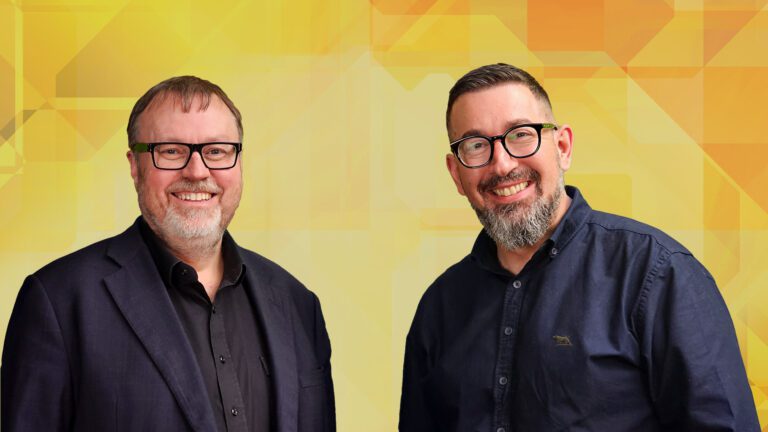
Host Paul Spain is joined by Ben Rose, Head of Financial Services at AA New Zealand. Together they discuss lessons from Money20/20 Bangkok, the rise of agentic commerce, stablecoins, digital finance and how AI is transforming financial services.
They also delve into the latest tech news including:
Special thanks to our show partners: Fortinet, Workday, Spark New Zealand, One New Zealand, 2degrees, PwC New Zealand, and Gorilla Technology.
Read the full transcript
Transcript is computer-generated and may contain errors.
Paul Spain:
Hey, folks. Greetings and welcome along to the New Zealand Tech Podcast. I’m your host, Paul Spain. Joining me on the show today is Bed Rose, head of Financial services at AA New Zealand. Ben has spent more than two decades working across New Zealand’s financial services, technology, and commercial sectors, including leadership roles spanning banking, insurance, fintech, and emerging technologies. How are you, Ben?
Ben Rose:
Yeah, really well and great to be back in the studio.
Paul Spain:
Yeah, fantastic. Well, before we jump in, of course, a big thank you to our incredible show partners for the support they give to the New Zealand tech podcast and of course the support they give to the New Zealand tech podcast, and of course, to the broader tech, tech and innovation ecosystems in New Zealand. So thank you to Spark 1, NZ2 degrees Workday, Fortinet, PwC and Gorilla Technology. We’re looking forward to hearing more about the areas of tech that you were involved in, Ben, at aa. So we’re gonna. We’ll come. Come to that. But to start with, we’ll delve into the New Zealand and global news.
Paul Spain:
First up, Google Maps is rolling out a new Kiwi accented navigation voice that finally gives us correct pronunciation of many Mori place names. So I don’t know whether that many is like 99%, whether it’s 99.99, whether it’s exactly how that lands, but this has been developed in partnership with Te Taura Whiri i te Reo Māori, if I’ve got that correct. The update aims to improve cultural accuracy and help normalise Te Reo Mori in everyday life. I mean, this seems like a good initiative and in many ways a very long time. Coming from Google, right?
Ben Rose:
Yeah, I think it’s brilliant. I think it’s great the way they’ve done it. They’ve not just chucked a model at it, they’ve, you know, they’ve got Maori oversight. And the interesting thing from my point of view, is how, you know, technology drives culture and people hearing the pronunciation of place names every single day through Maps, they’ll start to repeat that. And I think, you know, this shows technology can preserve indigenous languages rather than destroy them. So I think it’s super interesting and hats off to Google for the way they’ve approached it. Yeah.
Paul Spain:
And look, this, this now sets an expectation on everybody else in the market, Right. When you jump into your vehicle, if it’s got navigation, however, you do these things that actually, hey, this is the new standard. And my understanding is that Google haven’t just sort of gone and acquired the pronunciations and the voices and so on. There’s. There’s a licensing element here that they’ve done. So this is a partnership with Mori here in New Zealand, and that maybe also sets a little bit of a standard so others can come in and can leverage that as well, which means that we should, over time, see that impact increase.
Ben Rose:
Yeah, I hope so, I hope so. I mean, we’re a small country and we often get these sort of off the shelf global products. But the fact that someone like Google can do it for a market like us, I think that speaks really well about the future of AI and where it’s going. Hopefully we can see personalization all over the world, but I think the integration of an indigenous language consciously and deliberately, I think that’s really important. Let’s see more of that around the world.
Paul Spain:
Yeah, and I think, look, it’ll help everyday. Kiwis, who at times, me included, their pronunciations can be.
Ben Rose:
I was going to say you might need Google Maps to help.
Paul Spain:
Yeah, it can be a little bit off. So actually getting these things accurate on an everyday basis helps. I think our New Zealand media generally over the last 20 years we’ve got a lot better and those that are professional broadcasters I think take today a lot more seriously. And that has a flow on for everyone, 100%. That’s good. Now Tesla, they have finally in New Zealand launched the version 14 of their FSD supervised or full self drive supervised tech on the vehicles that are able to run it. At this stage, that’s limited to their hardware four vehicles, so there’s a lot of vehicles that can’t run it. But for those that are on hardware 4 that has launched in New Zealand, we’re a week or so in now.
Paul Spain:
This is the technology that we’ve eyed up and some of us have tried out in the US and found it to be pretty delightful when you’re in the us so to see that come to New Zealand is I think an important step for Tesla to have crossed that line that we’re now getting close to alignment really with what’s happening in the U.S. now, the flip side to that is we are right hand drive vehicles and all of the things that are working perfectly in the US are not necessarily working perfectly in New Zealand yet. So obviously I think there is a little bit of a journey ahead to see how that progresses forward. I made a little bit of a list actually when I tried it out over the weekend and it was fascinating to me how good it was when it was working well, but the technology was definitely at that sort of imperfect end. And so the whole dream that Musk and his team were selling back in 2019, which was when I had my arm twisted of this idea that we’re just a short way away from robo taxis and the idea that you would ultimately be able to fall asleep in your car and have it drive you from one city to another, we’re not at that point yet. Yeah. So a few things that stood out. Coming out of Tesla’s branch in Westgate, you come out, it took a left turn, I think I was heading towards Mitre 10, took a left turn.
Paul Spain:
It needed to stay in the left lane to do another left turn, but it moved to the right lane and then it was, you know, its version of scratching its head. And it sort of slowly nudged itself back into the left lane, took. Took the turn. But what was really impressive was the fact that you were able to go from the car park inside Tesla. You didn’t have to get yourself out to the street, any of that. It was just the car park that you’re parked in was able to go from there to Mitre 10, park in an individual car park within their set of car parks, and you could go and do your shopping. And it did that pretty much end to end. But.
Paul Spain:
But on the drive, there were other sort of oddities. So I went to, for instance, try out the parking at pbtech, where they’ve got the angled parking.
Ben Rose:
Oh, yes. Didn’t like that.
Paul Spain:
And there were lots of angled parks. And the first bunch of them was just a space for one car. And then there’d be another car a block a little bit further along. There were three parks in a row where you’d think if it wanted to make it easy for itself, it would have just driven straight into one of those or even one of the car parks that was available with an angle car. You drive straight in, right. You don’t reverse into that sort of car park. Cause it’s gonna be a pretty strange angle. Well, it drove past one of the car parks and then it started reversing to try and reverse into the angled car park, which is interesting.
Paul Spain:
I don’t know how the AI got any sort of inkling that that would make sense, because that’s not what a human driver ever does.
Ben Rose:
Right. But that’s. I suppose the thing is, it’s gonna take a lot for you to trust a car as much as you trust yourself. So, you know, but for me, you know, this stuff’s happening and it’s going to happen eventually. The question is when? But there’s a load of stuff that’s got to change. We’ve got to believe in it as much as we believe in us in ourselves as drivers. But also, how does insurance work? So if that car crashes, who’s at fault? Is it you?
Paul Spain:
That’s where the Tesla tag is. Right? It’s on you. Well, I’m presuming you’re the AA man.
Ben Rose:
So what does AA say? Well, there’s a whole lot of stuff that needs to change. It’s not just insurance, but it’s regulations, of course, it’s liability, it’s, you know, it’s the whole thing. So, yeah, for me, I think, I think it’s really interesting. I think it’s definitely going to happen, but I think we’ve got to have a conversation very quickly around what needs to change for it to go mainstream. Yeah. The other thing I thought was interesting was you went to bed one night and your car could do one thing, you woke up the next morning and all of a sudden its capability was upgraded. Cars didn’t used to do that, you know, now they’re like phones on wheels. And I think that’s, that’s awesome, that’s really exciting.
Ben Rose:
But the regulations need to keep up. So as the capability evolves and changes, and it won’t just be Tesla, it’ll be others as well. How do we know that it’s going to work? How do we know what happens if it doesn’t work? All that stuff. So, yeah, I think it’s exciting, it’s interesting, but I think we’ve got to have some pretty serious conversations at a government level as well as insurers, et cetera, before we’re able to just jump in a car without driving it around.
Paul Spain:
Yeah. And look, it is these little edge cases where you either are going to increase your trust and feel comfortable, or where you’re gonna have your trust sort of shattered and it may take a long time to get it back. I was talking to a couple over the weekend and they own a BYD, and the woman was saying, look, know if the Tesla can, you know, drive into my car park and so on, then that’s it. That’s, that’s, that’s what I want. We’re still a little bit behind on the software and some of the, you know, the nuances on these sort of smaller things, like being able to pick exactly which is, you know, your car park if you’re in a apartment block and, you know, those elements. But all of those things are going to, are going to come.
Ben Rose:
Yeah, absolutely.
Paul Spain:
But, yeah, do we get those functions? Do we get legislation aligned in a way that works for everyone? And ultimately, I think the legislation is probably about right at the moment, as the responsibility should be on the human. But if it’s going to live up to the dream, we ultimately have to have legislation, insurance and other things that would take that off the human. Just in the Same way if you jump into a taxi or an autonomous taxi.
Ben Rose:
Yep.
Paul Spain:
Hey, I’m just the passenger. That’s not on me if this thing hits something.
Ben Rose:
And I think the technology is advancing and progressing at a speed far faster than any of us are used to and any country’s used to. But the reality is it’s coming. I mean, you’ve got it now. So while we carry on having the debates about is it going to happen, how should it happen, you know, the companies carry on innovating. So I think, you know, government and regulation and also people’s trust of these technologies is going to need to evolve pretty quickly.
Paul Spain:
Yeah, well, the next topic is very much in that trust category. So we’re talking about a court case in the uk. UK High Court ruling has cleared the way for wider deployment of live facial recognition technology by police, rejecting the claims that it breaches privacy and human rights. So we’ve got some saying that this technology is a really powerful crime fighting tool, whilst critics warn about surveillance misidentification and civil liberties risks. And so, yeah, looking into this one was really interesting because the number of the percentage of cases where facial recognition gets it wrong, those numbers from certainly what the police in England and Wales have indicated are absolutely tiny now, so they’ve really, really shrunk down. The flip side to that is the Trust, and this is probably, maybe similar to me when I’m sitting in a vehicle that, that can successfully drive down a motorway with hands off the steering wheel is your trust quickly goes to an assumption that the technology is going to do the right thing and is trustworthy if you’re wired that way, which I think it’s very easy to get used to the technology even when it’s not infallible and to trust it. And so one of the cases I was reading about, individual tried to prove, no, I’m not the person you think I am. Look, I’ve got my ID and everything else and they wouldn’t have a bar of it.
Paul Spain:
The technology had said it was him. And so, you know, away they went with the resting and so on. So, you know, we were in this really interesting time in history and as you say, there’s the elements of trust, there’s the elements of what needs to happen from a government perspective. And I think the same thing wraps around, you know, the same things wrap around this type of technology. And there are, I think, a number of people who are significantly concerned around, you know, Big Brother type of stuff when it comes to facial recognition. And I think it’s really Hard, because we’re at a time where there is, you know, crime that seems to not get dealt with as well as we would like.
Ben Rose:
Everyone wants safer streets.
Paul Spain:
Yeah. We want the world to be safe. You talk to folks who live in China where they have mass surveillance, and the general feeling from folks is, hey, this makes us safer. Of course, if you cross into one of the camps where you’re not allowed to catch an aeroplane or you can’t catch a train or something because you’ve been caught out and not earned enough points on the social credit system, or you’ve lost some points, then you’re probably not gonna feel that way. But the general feeling is, hey, this is good.
Ben Rose:
But I don’t think this is a technology question, because the technology works, not 100% of the time, but it’s been proven to work. The question here is the governance. Who’s looking after the data? What are they doing with the data? How long do they hold it? And that’s not just a public thing. That’s private, too. You and I both unlock our phones multiple times a day with our face because the provider of that phone has that data. So we’re very open to giving it to some companies, but not others. And I think, you know, we’re living in a transactional economy now where I give my data to providers and in return they give me a service. This is another example of that.
Ben Rose:
I want to be in a safer place, so I’m going to have to give them something in return. The question is, where do you draw on the line? And I think the line over time has moved, and it moves to different places and different countries for both public and private sector. And I think it’s a conversation we’ve got to keep having. Yes, but to deny that the technology works, I think would be bonkers. We’ve got to work out where we’re comfortable with the governance happening over the data that we’re giving it every time it looks at us.
Paul Spain:
Yeah. And I think something like a fingerprint or a facial recognition on a phone where that’s stored locally never goes to the cloud. There’s a big difference between that scenario and, say, having biometrics that are sitting out and about around the place. Now, one thing that I did think was good here, and it does seem to have become the norm, is for those whose face has been picked up by the camera, if you don’t match what’s in their list, then that data is apparently immediately dumped. Now, whether it’s quite as simple as that, I don’t know, but it does seem like in most cases that’s the direction where things are going. But I can still see that sort of Big Brother element where people are wrongfully picked up or you end up with a government who’s maybe not as trustworthy and decides, oh well, we’ll just click this little knob over here along to the next notch and now we’re going to start applying a point system or whatever else that they might do. And that’s part of that challenge. But as you say, it’s governance, it’s not the technology.
Ben Rose:
I think the difference. I think with public and private uses of the technology, we had that story recently with Bunnings implementing it across all of their stores. Businesses have terms and conditions that you opt into and you can decide whether or not to use that company, whereas when the public sector are using it, you don’t have a choice. You are a citizen of that country. I think that’s why the line needs to be in different places, public and private. It’s all about that choice that you have as an individual, whether or not to engage with it.
Paul Spain:
Yeah, that’s a great, great point. Now, interesting scenarios have been going on recently in terms of AI and cyber security. And a big marker for me was a couple of weeks ago we saw five eyes put out a communication from their respective cybersecurity heads in New Zealand. That’s the NCSC National Cybersecurity Center. And the messaging was this, that we need to step things up from a cybersecurity perspective because AI is really speeding up the pace at which things, things are happening. And so compromises we should just expect, once there’s a zero day flaw or any other sorts of issues or for new cyber risks to be found, that’s going to be happening a lot, lot quicker. And so then to hear this story come through just a week or two later and this one is around a security researcher, Ian Carroll in the us he used Claude to help uncover a major vulnerability in Frontgate Tickets, which is a ticketing platform that is used by many, maybe most top US music festivals. And what the floor allowed was basically full admin access to the platform, the ability to be able to issue, you know, any ticket and some of their VIP tickets to festivals, you know, backstage access and the like.
Paul Spain:
Yeah, US$4,000, so you know, $7,000 ticket, basically unfettered access to be able to, not to mention security concerns to do this. Yeah. And the whole, yeah, as you say, you’ve got that sort of full access to events that could be a real problem. Now, fortunately, the researchers are, you know, white hat. So, you know, they, they disclosed the vulnerability and didn’t take advantage of it. But if it had been used, that could have caused a lot of chaos as well as what the financial implications, you know, might have been because there was no visibility that he had actually accessed the systems. He had got through AWS firewall and had, had made some, you know, I guess some innovative use of AI. But you know, it just shows in this case from having read through the bits and pieces that AI enables an attack which, yes, a human attacker could have found and done the same thing, but it probably would have taken them a lot, lot longer to achieve.
Paul Spain:
And there are elements of this that needed some automation for them to, you know, for it to really work. And so this is where the AI came in and made that possible.
Ben Rose:
So it’s helping everyone with their job, isn’t it? I mean, AI is making everyone better at their job. I thought that. And that’s not with Fable 5. Right. So Fable 5 obviously got pulled because of its ability to break into systems and find weaknesses. The reality is AI makes everybody better at their job and more productive at their job. And some people’s job is breaking into systems for nefarious purposes. So, you know, it raises the question around cybersecurity whether that needs to, and I think the answer is yes, move from reactivity to productivity.
Ben Rose:
And now, just as each model comes out as a business, you have to have a way of understanding what impacts that has on your business and how you’re proactively going to close those loopholes because, you know, it’s hard to keep up with. But unfortunately we need to. Right, you got new models coming out daily at some parts of the year. So, you know, I mean, you, you know, you work in cybersecurity. How do you, how do you think it’s changing the way people work?
Paul Spain:
Oh, look, it’s, it’s, it’s crazy. The challenge that we have, and you know, this is, this is a new thing, is that our standards, and it’s not just New Zealand, but I think if we look at New Zealand, our standards are a lot lower than, than what they should be. And so we’re often not actually dealing with the basics when it comes to cyber security. So we’ve actually got to make sure we’re doing all the basics and we’re moving on to a world that can actually deal with these highly AI enabled types of attacks, which won’t just be researchers in the next little while, because Most of the scenarios we’re hearing about are coming from, you know, white hats and the researchers. But I think, yeah, we will see more and more and more of these. The other one that came up last month, which I guess crosses into your world, sort of financial things and so on, was a security researcher. Taylor Hornby used Claude Opus 4.8 to discover a critical counterfeiting issue in Zcash that had been undetected for something like four years. This particular bug could have enabled unlimited counterfeit coins, but that was disclosed and it was patched.
Paul Spain:
But if that hadn’t happened, you imagine what the consequence would have been. Now let’s just take out Zcash and say, ah, Bitcoin. Right. So just imagine that there’s a vulnerability in bitcoin. Nobody realizes it’s there. Somebody finds it using AI and you would imagine Bitcoin would go pretty quickly to zero and you’ve got trillions of dollars wiped out and all the impacts that that would have.
Ben Rose:
I think it’s the case for any business, in any business that that can be hacked. There’s the potential for that to happen. I mean it’s not just AI, it’s also quantum computing. Bitcoin’s now looking at a new protocol because now they, they, they think that the, they think the cryptography might be able to get cracked by, by quantum computing. So now they can move to a new protocol. Yeah. So you know, what’s the outtake for people? I think the reality is this stuff is going to happen at some point to your business. So make sure you’ve got a good BCP in plan but you’re also, you know, you’re also proactively reviewing what your, what your vulnerabilities are.
Ben Rose:
Agreed.
Paul Spain:
Now the world’s largest battery maker, oh amazing. Is bidding on a Kiwi company, Biographite Technology. Go Kiwi. They’re New Zealand founded the company, they’re called Bioscape and they’ve secured a strategic investment and partnership with catl. From what I’m seeing, the world’s now the large, the world’s largest battery manufacturer, Chinese company. And this investment and partnership will help them to scale production of sustainable battery grade graphite made from forestry by products.
Ben Rose:
How good’s that?
Paul Spain:
This is incredible. Now what I didn’t realise before looking into this is that graphite accounts for something like 50% of a typical lithium ion battery by volume. And so you know, this is actually a really, really important component when it comes to all of the batteries that we, that we have. So to see A New Zealand company signing. This is great.
Ben Rose:
Yeah, it’s awesome. It’s awesome. And it’s a great circular economy story as well. If we think of ourselves as exporters, this is a good example of exporting not just a natural resource, but also the IP with it. So we’re not going to take on, not going to take on Tesla, but what if we could provide the infrastructure that makes Tesla’s possible? That’d be great.
Paul Spain:
Exactly. So, yeah, I’m really curious to learn more about this one. And yeah, how they get from those forestry byproducts effectively to this battery grade graphite. There’s no doubt some pretty innovative process that goes on in the background, but this is targeting battery supply chains and becoming an important player.
Ben Rose:
Yeah, absolutely. Fantastic. And just look at the growth of EVs around the world. I mean, we’ve seen it here. You can’t for love or money get your hands on the Tesla now, but you can pick from a range of brand new brands that weren’t here a year ago, all selling EVs. So it’s the way we’re all going.
Paul Spain:
Yeah, yeah. I mean they’ve been, Yeah. I think during this period where petrol and diesel prices went up, that they had a significant challenge when it came to EVs. Have you had some visibility across that from within AA? Do you kind of trade that sort of thing in terms of.
Ben Rose:
Yeah, there’s been huge growth because, you know, we got to make sure that we can service the cars that are on the road. So now we’ve got, now we’ve got EV units which, you know, didn’t used to be a thing and now it is. But if, you know, if you look at the fleet, the New Zealand fleet historically has been quite old. I think on average 16 years plus per car. Now you’ve had this influx of, you know, Chinese imports in the new market, a lot of them hybrids and EVs, the balance is really changing. So I think that’s a trend that absolutely got accelerated by what was happening in Iran, but it’s not slowing down.
Paul Spain:
Yeah, I saw, I think it was last month, June 2026, the highest selling vehicle in Australia was the Tesla Model Y and beating out the Ford Rangers and the utes and so on. That might have been a supply type thing where, you know, one month there’s not much stock available because, you know, they’re shipping them in and then the next month, you know, they, they, they all land it at once.
Ben Rose:
The balance is, the balance is definitely, definitely shifting.
Paul Spain:
Yeah.
Ben Rose:
And the, you Think about, you know, when, when the, when the Tesla Model S first came out in New Zealand, it was a, you know, it was a supercar and it was $150,000 plus you can buy an EV now for, you know, in the 30s. So it’s more affordable, it’s more accessible, there’s a lot more competition. The infrastructure’s picking up, you’ve got more charges across the country. You’ve got, you know, you’ve got, you’ve got gas stations now building infrastructure, you’ve got power companies buying outlets. I mean, it’s, you know, I think you’d be mad if you thought it wasn’t, it wasn’t growing. So great news that, you know, there’s a Kiwi firm now providing the graphite in the batteries. Love it.
Paul Spain:
And now, just on a side topic that has been in the news is this look at attracting funds into New Zealand Invest NZ into data centres and talking about looking to raise something like $30 billion offshore to come back in to deliver, I guess, a huge increase in data center capability in New Zealand, which that’s a big amount of money we’re potentially talking about there. Lots of implications. I think it was very exciting when we first heard about Microsoft AWS getting into data centers in New Zealand. But I think the tide has turned a little bit, certainly in some parts of the world, the U.S. especially, where we’re seeing quite a bit of pushback on data centers because of their impact on local communities, infrastructure. What does it do in terms of water, electricity and noise in some cases. So I think this is going to be a little interesting to see how things evolve, because I think there are ways in which we can see an increase in our data centers in New Zealand with probably less negative impacts. But if they end up drawing too much power, then that puts up the power for every single person in the country, right?
Ben Rose:
Yeah. I mean, we’ve got the renewable energy, we’ve got the space. The question I’d have is, is that growth in demand going to continue? Because what we are seeing now with the chip manufacturers is they’re starting to develop chips that could be held in a. In a PC or in a Mac or in a laptop, rather than needing to have data center capacity. So as people start to use models like OpenClaw and whatever, maybe they’ll be hosting their AI on their device rather than in a data center. So I think there are a few different schools of thought about whether that growth’s going to continue or not.
Paul Spain:
Yeah, I’m quite fascinated. And it’s interesting to watch as we do see some of that increase in the. The local AI sort of compute capacity. But I think generally we have had most of our computing power end up in data centers in recent years and I’m not sure how quickly that will turn. Certainly, if you kind of look across the board at all the sorts of things that we do, however, there probably will be more and more things that can be done locally. So, yeah, who knows how that plays out with some of the funds that they’re talking about that invest in Z are talking about raising, or a big chunk of them, apparently they’re looking for that funding from offshore. I guess that spreads the risk. So it’s not all on Kiwis.
Paul Spain:
If that was government investing in it and then the tide turned the other way, that could not play out so well.
Ben Rose:
Yeah, correct. Look, it’s exciting times, whichever way you look at it, and if we’re looking at capital coming into the country, that can only be a good thing.
Paul Spain:
All right, well, I’m keen to hear more about what’s been happening in your world. Ben, you’ve quite recently been at Money 2020 conference. Where was it? Was that Bangkok?
Ben Rose:
It was, it was, yeah. It was all about the future of finance and what’s happening in Asia. Because what happens in Asia tends to make its way to Australia, which will then make its way to us. So getting a sense of how these new technologies are impacting the way people access financial services. It was awesome. Super interesting.
Paul Spain:
So what are the things that excited you about FinTech at the event and that have really been on your mind recently, you think listeners might be interested in?
Ben Rose:
I think the biggest thing for me and for us at the AA was about inclusion. So how you can use technology to get great financial services into the hands of people who previously wouldn’t have had access to them. So in some parts of Asia, that means Mobile First Finances, where you’ve got unbanked people, but in our part of the world, it means direct to consumer products that they might not have had access to before, but with technology you can now give them access to. So inclusion was a big one. Agentic commerce. So the growth in LLMs and AIs, not just as recommendation engines, but as the thing that goes and makes purchases for you in the future, potentially without you even asking. And then also just the integration of digital finance into traditional finance. So, you know, I’ve got a background in digital assets and seeing how, you know, major banks around the world, with regulations that have changed, are starting to bring stablecoins and cross border transactions into their offering.
Ben Rose:
Really, really interesting. So it’s, yeah, I think they’re all things that will come to us probably quicker than we think. And so yeah, good for, for us as an organization to be thinking about what does that mean for us and our customers. But yeah, seeing what some, some businesses have done in that part of the world is yeah, really inspirational. Amazing.
Paul Spain:
What, what stood out for you in terms of where you, you felt that some of the countries in Asia, some of the companies there are maybe a step or two ahead of what we’re seeing here in New Zealand.
Ben Rose:
So I think if you think about agentic commerce where you’ll have agents buy things for you. So for us in New Zealand that feels a long way away and it feels very futuristic and will it ever happen? But it’s happening right now actually in New Zealand. You might do an auto buy on Trade me and you give it parameters and you say if it reaches this price, even while I’m asleep, you go ahead and buy it and you trust it. That’s agentic commerce. You’re giving it permission to do something for you. What’s happening in parts of Asia is regulators and retailers are now building versions of Rails and their platforms for agents to make the decisions, make the purchase decisions. And McKinsey reckons there’ll be about $20 trillion of agentic commerce within five years. So we’re seeing big organizations, Target in the US have just recently changed their terms and conditions so that if your agent does something you’re on the hook for it.
Ben Rose:
So its consent means your consent. There are, you know, there are businesses right now in Asia creating headless versions of their platforms so that, so that agents can talk to them. So what that means is Salesforce did it recently as well. So what that means is if I’m designing a website or a sales flow right now I’m designing it for human, humans. So there will be things like pop ups and captchas and things that bots don’t like. And I’m designing it for, you know, human experience. If in the future I go to my bot and say find me the best life insurance policy it’s going to, it’s going to go through, you know, 20, 30, 40 different versions and then go ahead and purchase it. For me that system needs to be designed for it to easily find the information and then access the flow.
Ben Rose:
So what’s happening is right now is companies are building those platforms now. Is it going to happen next year? Don’t know. Is it going to happen the year after, not sure. But when it comes, we know the way these things go, it’ll be fast and uptake will be quick. So that was one of the key differences in the Asian market that I saw versus New Zealand is companies are building it right now, whereas we’re still having the conversations about is it a thing, is it going to happen, wait
Paul Spain:
and see the population difference. Cause we’ve only got a small pool of people here. That must be part of the picture. Right? If you’re talking about a small percentage of 5, you know, 5 million people’s transactions that are being run through an agentic process or what have you compared to, you know, I don’t know what the population is but you know, we picked some of these countries and it’s stacks up pretty quickly when you’ve got north of 100 million people and just one country. So I guess that’s part of the picture, isn’t it? That means that it makes so much more sense because they’re going to get a return just from that scale perspective.
Ben Rose:
Well, yes and no. I think even in this conversation we’ve spoken about global brands that we’re now spending money with Tesla and Anthropic or whatever. So a lot of these platforms are being created by, you know, by Visa, by MasterCard. Big brands that know they’re not going to build something bespoke for New Zealand, but when it goes live, we’ll have access to it just like we do to Amazon or ebay. So I think there’ll be a lot of that. The challenge for New Zealand has always been there’s never really been an incentive for, you know, incumbent businesses to innovate. And so that innovation, I think is going to come more from the global players than it will from lots of local players.
Paul Spain:
Yeah, that can be a challenge, can’t it? If as a country, our local companies, our local, you see, our established firms aren’t pushing themselves and innovating, then we end up sort of ceding more to international players. Whereas ideally we’d be innovating in all these areas and helping grow our export revenues rather than actually, yeah, giving, giving things away to those bigger global companies.
Ben Rose:
And that’s always the balance of New Zealand business, isn’t it? But you know, right, right now, today, New Zealand New Zealanders are among the highest per capita users of LLMs right now. So, you know, they’re using it, they’re on the platforms, it’s there. So if you don’t provide it, someone else will before you can. Yeah.
Paul Spain:
And what are Your thoughts on how things might play out in terms of agentic commerce? What really sticks in your mind as where you would expect to see those really interesting and hyper useful sort of situations. Is there anything that’s really kind of sticking out yet? You mentioned trade Me for a long time has had that kind of auto bid type capability which yep, to a degree. There’s an automated process in the background that’ll bid up to a certain amount on your behalf. But what would you expect to be the typical scenarios that we might all be using in another few months ahead or next year?
Ben Rose:
So in fmcg, one of the bigger use cases that’s being fast moving consumer goods. Fast moving consumer goods, yes. One of the big use cases is purchasing when you need something rather than when you order it. So Amazon have, you know Amazon now you can have a shopping list set up and if you run out of eggs, it will pick up eggs because of your prime membership you’re not paying for the delivery. So you know with those sorts of purchases. But financial services is one of those areas where there are a couple of challenges. One is it’s hard to know all of the options that are available. So you know, agentech Commerce can help overcome that issue because it can research better than you can and it can find and investigate those options.
Ben Rose:
But also some products you might want to talk to a person. Some people will be comfortable buying online on the mobile, others will want to talk it through with a person. So for us, where our future model will be digital for scale, but human where it matters, you might be able to buy lots more than you can today straight through online. But also if you want to talk to someone, you can pop into one of our centers or pick up the phone and talk to someone who will then talk you through any concerns or issues you might have. And so there’s a balance of the two. And what became really clear when I’m hearing incumbents, legacy businesses, but also fintechs is the thing that everybody wants to build and or protect is trust. How do I trust not just the technology, but I trust that if something goes wrong, you’re going to help me out, you’re going to make it good. So trust in resolution and support feels like the key differentiator for a lot of businesses.
Paul Spain:
Do you see agentic commerce growing faster in the commercial world than for consumers or B2C type businesses?
Ben Rose:
Typically, I mean I don’t have a crystal ball, but typically consumers adopt things faster than companies do because you know, consumers will take lower stakes, chances and try new Things more the early adopters which then will become mainstream. Whereas very often companies, particularly larger enterprises, will wait a long time. They don’t want to be on the bleeding edge. They’ll wait until something’s been proven. They’ll. So typically, yes, if I think about digital assets, that was driven by consumers demanding it of providers and going elsewhere if they didn’t offer it. So now in Money 2020 there were lots of incumbent banks that have been around for hundreds of years who now are offering stablecoins as part of their offering because their customers said, well if you don’t offer it, I’m going to go to this long list of a million fintechs who now are. So yeah, my guess would be consumers will drive uptake and enterprises will jump on board once they’re forced to.
Paul Spain:
Yeah, okay. Yeah, that’s interesting because I’m always curious around new technologies where the businesses can maybe get a much, much bigger leverage of those technologies versus versus consumers and where we might see some of those technologies moving forward quicker business wise. But it does tend to usually kind of lean back to consumers for a bunch of reasons.
Ben Rose:
All businesses are trying to work out where in the hype cycle are we with this thing. It sounds awesome, but is it going to grow? Is it going to deliver on that promise? Basically when do I need to build it so I don’t get caught short. But also I don’t overinvest on something that doesn’t pan out. And so that’s the, that’s, that’s the tricky part for everyone, right?
Paul Spain:
Yeah. Oh there’s, there’s, there’s so much ahead in this field. Really interesting. Now you mentioned stable stablecoins and consumer demand there. Yeah, can you just talk to that a little bit? Because I think, you know, here in New Zealand there isn’t a lot of talk about stable coins unless you’re really involved in the, in the crypto world but then you’re talking about that demand. So where is that really being seen?
Ben Rose:
So it’s being seen in most of the world, not here. There was a Survey recently over 80% of financial institutions in Asia said that in 2026 they were going to be increasing their allocation of digital assets. So it’s happening. Not like many thought with meme coins or Bitcoin. Actually what lots of them are doing is they’re using stablecoins for cross border transactions for enterprises because it’s faster, because it’s cheaper, because it’s more transparent. So that was the abiding theme, was the convergence of Traditional finance and digital assets. Now it’s expected if you’re a major enterprise dealing with a bank for treasury, you’ll expect to have a mixture of fiat and stablecoins in there. From my point of view, that’s not happening in New Zealand right now, it’s happening in Asia.
Ben Rose:
The Australian banks, many of whom were in the room, are absolutely doing the same. It will absolutely come. I think what’s helped is the genius act in the US gave regulatory clarity so that a bank wouldn’t get kicked from the SWIFT system if it was doing this. So that helped. But also you’ve got things like the global travel rule which are now implemented where countries have reciprocal agreements to identify the sender and recipient of a stablecoin transaction. So companies feel more comfortable engaging. The growth has been absolutely phenomenal and
Paul Spain:
the main benefits are the speed. Right. And also I think when you’re doing even just an international purchase on your credit card, there’s usually, you know, quite a chunk there that’s built in in terms of a transaction fee. You know, I think that we still have a lot of credit cards that charge an extra 2% or something. I think around those figures. Right. For an international. Oh, it’s an international transaction.
Paul Spain:
Ah, we’ll just bump in another, you know, 2% there. Although I do see that there are cards coming through that are, you know, that are 0% and the banks are, I guess, becoming more aware and trying to ensure that they don’t lose all of that business.
Ben Rose:
Yeah. The biggest difference, I suppose for cross border transactions is Fiat can take two or three days, stablecoins will take seconds. But there were lots of bankers and CFOs in the room talking about the benefits for transparency of Treasury. Because they’re using stablecoins, they’ve got a clear idea of where things are at rather than having to, to create workarounds and expect when something arrives and it doesn’t arrive and what the fees are. So yeah, speed and transparency seem to be the main things.
Paul Spain:
Fantastic. Well, it’s been really good to catch up. Ben, anything else you wanted to add before we finish up?
Ben Rose:
No, no, it’s been great and it’s amazing how quickly things are moving. All the different stories we’ve looked at just show how fast everything’s moving. So what an exciting time.
Paul Spain:
It is a very exciting time. Well, thanks again and thank you everyone for listening in and joining us on the show. If you’ve been watching the video, then be sure to make sure you’re following us on your favorite audio or podcast platform, and vice versa. And of course, a huge thank you to our incredible show partners, to PwC, Fortinet, Workday One, NZ2, Degrees Spark, and Gorilla Technology. That’s us for another week. We’ll catch you again on the next one next week. All right, see you. Cheers, Ben.