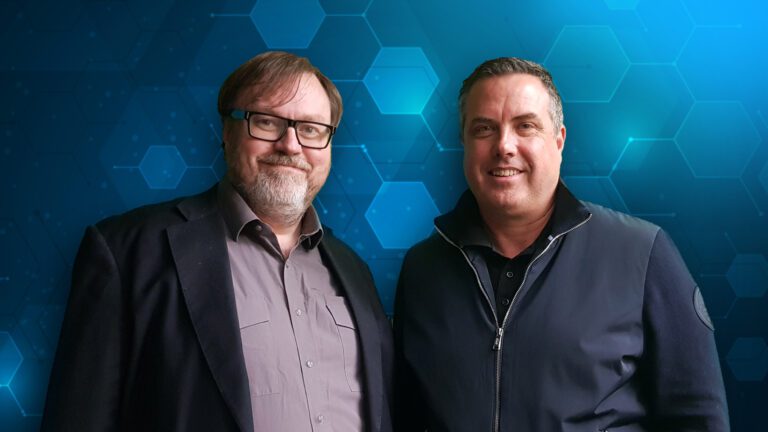
Join the conversation as host Paul Spain and Seeby Woodhouse (Voyager) explore NZ Post’s hydrogen-powered trucks, Trans-Tasman space research projects, the ethical implications of AI, Seeby’s intriguing 5-day experience with Tesla’s full self-driving capabilities on New Zealand roads, and the development of autonomous vehicles. Plus, a look at Voyager’s migration to OpenStack and the competitive cloud services landscape and more.
Special thanks to our show partners: One NZ, 2degrees, Spark NZ, HP, and Gorilla Technology.
Episode Transcript (computer-generated)
Paul Spain:
Greetings and welcome along to the New Zealand Tech Podcast. I’m your host, Paul Spain, and fantastic today to have Seeby Woodhouse back on the show. How are you, Seeby?
Seeby Woodhouse:
Yeah, great, thank you, Paul. Thanks for having me back on New Zealand’s most esteemed podcast.
Paul Spain:
Ah, keep that coming. Hey, yeah, always good to catch up and hear what’s been happening in your world and, you know, here’s some of your thoughts and opinions on what’s happening in the world of sort of technology and telecommunications. For those who maybe don’t, you know, don’t know too much about you, maybe a quick, a quick overview of where you fit into this big, wide world of technology.
Seeby Woodhouse:
Well, most people know me for starting Orcon Internet, which is now kind of the fixed line business of 2degrees. So basically kind of half of 2degrees. 2degrees obviously one of the big three telcos in New Zealand. And I sold Orcon when I was 29 for close to $30 million and see me retired. And then I had a restraint of trade. But after that ended, I started another Internet service provider, which is my current Internet service provider is called Voyager. That’s New Zealand’s 6th largest Internet company.
Seeby Woodhouse:
We’ve got about 125 staff and turnover about $40 million. And what we do is very evenly divided between Internet access, mainly fiber to homes and business voice services. So we have 5000 customers, 5000 small businesses on our cloud, PABX product. So essentially a phone system in the cloud and then Voyager cloud, which comprises kind of email hosting, web hosting, virtual private machine, vmware cloud service type things. And we’re basically a third, a third, a third. So each division of the business is almost exactly one third of our revenue. Oh, that’s great.
Paul Spain:
Well, lots to chat about today. Before we start, though, of course, a big thank you to our show. Partners to One NZ, 2degrees, Spark, HP and Gorilla Technology. First up, on a local front, we’ve been hearing from what’s been happening in terms of hydrogen powered vehicles in new Zealand. And I guess if you look at the car side of that, that doesn’t work too well because there’s not easy options around the country and it seems to be most of the industry’s kind of decided that hydrogen probably isn’t the direction anytime soon for, you know, for vehicles. But New Zealand Post and Hyundai are celebrating that one of their trucks has now hit a hundred thousand kilometre milestone in terms of the journey that it’s been doing. So they first introduced Hyundai, first introduced that fuel cell, you know, big heavy duty truck back in 2021 and then New Zealand Post have had it in operation as a full commercial vehicle for parcel freight between Auckland and Waikato since last year, basically. And yeah, they’ve clocked up 100,000 k’s.
Paul Spain:
So the technology works. We don’t know all the. All the ins and outs, but I guess part of this is getting that handle on it for New Zealand Post to get a feel for just how reliable and efficient going this electric route is compared to diesel trucks.
Seeby Woodhouse:
Yeah, I like hydrogen and I think it’s good to have multiple options on social media. I came across a terrible post while ago that was sort of highlighting the condition of people in lithium mines and cobalt mines. And one of the things is when you have a lithium battery, lithium is, I believe, the fourth most abundant element in the earth’s crust. So it’s actually not so hard to find. But cobalt is kind of mined a lot by hand, by potentially slave labor or some of the working conditions are really very poor. And also you’ve got the weight of a battery pack, which adds any time a battery pack gets heavier, your fuel efficiency or energy efficiency goes down because you have to lug the battery back around as well. So the thing about hydrogen is that all you need is kind of a solar panel or a thermal power, solar thermal power station. You take water, you break it into hydrogen and oxygen, you burn the hydrogen and oxygen, you get water back again, so it comes clean out of the tailpipe.
Seeby Woodhouse:
And actually, when I was living in LA, which I did for four years, the four years kind of pre Covid, I had a friend who was on a hydrogen car trial, Honda Hart hydrogen car trial, and, you know, he picked me up and it was really cool. It was really peppy, different kind of power. But it makes a sort of interesting. Boop. Sort of like, almost like a little. When it burns, it sounds kind of different. You know, like a v eight or whatever, has a real sort of sound. But at the tailpipe, hydrogen almost has like a pop sound.
Seeby Woodhouse:
Yeah, kind of like a sort of popping sound. But he basically had like a. Almost like, it looked like an LPG tank in the back. And then you just go to a hydrogen hydrogen depot, which they have all over LA, and plug in and it does like a high pressure transfer. The concern obviously people have is, you know, when you think of hydrogen, you think of the Hindenburg disaster and explosions. But as we had a little chat before the recording started, and lithium batteries have battery fires as well, so I’m not sure.
Paul Spain:
Yeah, nothing disperfect, is it? I think in every which direction you look is a shortcoming in one form or another.
Seeby Woodhouse:
I also watched something on social channels and it was essentially, I think, the mayor of Chicago, and he was getting dual remits where basically the EPA was saying, you have to have a target of this many electric vehicles. And then one of the trucking companies came and said, well, we want this much power. And it’s like the power company said, there’s no way we can deliver this much power. You’re basically using 50 city blocks to have a, like a megawatt charger for trucks. And you’re one shipping company and this is just never going to work. We just can’t do it. So I kind of think that maybe the infrastructure on the grid and how much electricity we need to produce is not being taken factored in. So I think hydrogen is going to be part of our future.
Seeby Woodhouse:
I’m kind of bullish on hydrogen, and as I say, my friend has a hydrogen car in LA. It’s kind of fun to drive and everything. Have you seen that amazing hydrogen machine? I think it’s cool. Like the. It’s like all blue lit up. It’s like. It looks like the Mercedes vision, but it’s like 2000. It basically has like a water pipe that comes out the back so you can drink the exhaust.
Seeby Woodhouse:
And it’s this unbelievable kind of alien looking car that some, some, you know, one of these car manufacturers did. But it’s hydrogen and it’s like really awesome. And when it sounds. It sounds like not electric, not gas. It sounds really different. Like a spaceship kind of thing.
Paul Spain:
Right. Yeah. I’ve seen some of the sort of concept ones that, you know, that they’ve shown off at like CES.
Seeby Woodhouse:
It’s called a stratos or something, but it’s like very, very amazing looking. Very cool sounding.
Paul Spain:
Yeah.
Seeby Woodhouse:
Supercar blondie had it on her blog.
Paul Spain:
Oh, yeah, yeah, the one. The one. The one I remember sort of, sort of stood out to me a few years ago. Yeah. Was a. Was a mercedes, I think. Yeah. A ridiculously long range because it was hydrogen, so it wasn’t all around, you know, needing to carry batteries.
Paul Spain:
So hydrogen electric vehicle. And then the seats could sort of swivel around, you know, the idea was that it would be fully autonomous and seats would swivel around and you basically got a lounge type setting in the. In the vehicle, you know, but I’m not sure what of it did or didn’t actually work because it was, you know, it was more on the show floor rather than something that they were taking people out for rides on.
Seeby Woodhouse:
But I. Yeah, I mean, twine is a whole other can of worms at the moment, isn’t it?
Paul Spain:
Yeah, yeah, yeah. And we’ll definitely have to. We’ll have to dip into. Dip into that because you’ve got a story to share around. Sounds like a little mistake that Tesla made and gave you access to their full self drive beta that is not supposed to be in New Zealand, other than for their internal testers. So looking forward to having a chat about that. Now. Also on a local front, there’s more activity that’s going on from a perspective of space, what’s happening in the aerospace sector.
Paul Spain:
And we’ve got really quite a growing sector in New Zealand. There’s quite a bit of competition, I think, between New Zealand and Australia, you could say, and that Australia are also trying to push for this space sector and they’ve got their own Australian space agency going on. Billions being generated in that world at the moment. But I saw an article coming through that was highlighting around space research projects that are know, focused on methane monitoring and methane emissions. So, yeah, just interesting to see that there’s continued activity on this front. And in theory, with this new methane set, there’ll be extra data coming in. I don’t know what we end up doing with that because I don’t think New Zealand’s about to start stopping exporting beef and so on. But I guess they want to.
Paul Spain:
Want to draw. Draw increased data and help with future decision making.
Seeby Woodhouse:
Yeah, I’ve heard a little bit about the Australian space industry and every time I hear about the Australian space industry, it kind of makes me giggle. But, I mean, it seems normal to me that New Zealand now has a space industry, thanks to Peter. But every time someone talks about Australian space something, it’s hard to take serious because I just sort of think, oh, crikey, I’m up here on the space station. We’ve got a problem, Cobb. I don’t know, it’s just an Australian moon base or something. Just seems funny to me.
Paul Spain:
Yeah, yeah, yeah, yeah. Well, it’s. We’re always going to get, I think, a bit of that rivalry between New Zealand and Australia and. Yeah, it’s.
Seeby Woodhouse:
They’ve got more resources than us to make it happen.
Paul Spain:
There’s a lot of resources, a lot of population. Look, you know, I hope that, you know, one of the. One of the things that we see over the next few years is that we get the right support from, you know, from a government perspective, which, you know, ultimately, you know, most of these things will come down to what, you know, commercial operators, you know, like Peter Beck and rocket lab can go and just make happen, but there can be roadblocks that are put up by government, and government can also kind of get out of the way and support in varying ways. So, yeah, I hope we’re kind of getting that right. But, yeah, interesting. Just seeing more activity on this front.
Seeby Woodhouse:
Governments are great at putting up roadblocks and then becoming so inefficient until someone says it doesn’t make any sense. Like, that’s the real genius of Elon is that as a kid, you think of NASA and you think, oh, that’s the space guys. You would never cross your mind or my mind to take on NASA because you just think, well, that’s the us government. That’s billions of dollars, that’s whatever. But what Elon did is just essentially as an engineering brain sat down with a calculator and said, hang on, how much is it costing NASA to launch one of these rockets? That’s an order of magnitude, or three orders of magnitude, way too much. And the cost of the rocket and metal is this much. So why can’t we do it for that much? And I should be able to do it and, you know, decided to take them on, and it’s basically won, so. But it shows the incredible waste and bureaucracy of a government organization once they really get going.
Seeby Woodhouse:
You know, I think I read something wherever I. Yeah, the cost of a single screw at NASA was over $50,000. So just the procurement chain and all that kind of stuff, and not even accusing them of anything untoward, but just the amount of disastrous bureaucracy. So to get a screw into the space shuttle was like 50 grand, one screw.
Paul Spain:
And this is one of the challenges, isn’t it, of government doing things that. Yeah. Should governments been doing now, of course, there absolutely was a point in time where, you know, it was unlikely that a private organization was going to be able to achieve a lot of these. A lot of these things. But, yeah, I mean, we’ve really seen NASA sort of move into a state where, look, they get much better results by outsourcing these things. Interesting to look at where Boeing are at the moment with NASA and Boeing with the astronauts that have been stuck on the space station and murdering two whistleblowers.
Seeby Woodhouse:
I mean, that was for weeks on.
Paul Spain:
Pretty eye raising, you know, tell me about the whistleblowers. I think I’ve seen something along those lines.
Seeby Woodhouse:
So there was not one whistleblower, but two boeing whistleblowers essentially turned up dead. One of the whistleblowers that blew the whole safety thing, basically said, I’m not suicidal. I won’t kill myself, and was due to testify against Boeing and then ended up, I think, in a car with his head blown off. So basically, we’ve got a situation where a corporate company is assassinating whistleblowers. I mean, it’s completely bananas. And then another, a second whistleblower turned up dead. So the fact that a corporation is doing this is pretty, like, pretty eye raising. You know, like, you know, it’s a very, and the media’s kind of covered it, but they haven’t really covered, like, what the hell? Like, how can, how can a corporation be paying assassins to, like, knock off whistleblowers? I mean, it just blows.
Paul Spain:
There’s enough dots to join up that you could. You could.
Seeby Woodhouse:
Yeah, but come on.
Paul Spain:
Necessarily.
Seeby Woodhouse:
Well, okay, no, it hasn’t been proved, but essentially two whistleblowers have ended up dead. One of them said that he wouldn’t come commit suicide and he was going to testify in a trial against Boeing in the next week.
Paul Spain:
Yeah. Yeah.
Seeby Woodhouse:
You know.
Paul Spain:
Yep.
Seeby Woodhouse:
It seems pretty suspicious.
Paul Spain:
No, it’s, it’s incredibly, it’s incredibly suspicious. And look, there’s, yeah, there’s probably a, there’s a. Yeah, a whole lot more info. And, yeah, it would be quite interesting to delve into. There’s probably a podcast on it somewhere because there’s therefore this, you know, Boeing have been having some pretty crazy issues for, you know, for quite a long period of time. Right. And.
Seeby Woodhouse:
Yeah, well, essentially, they used to sort of take pride in engineering. And, you know, if it wasn’t right, I think there was an internal saying. I can’t remember the exact wording, but it was something like, if it wasn’t right, it doesn’t ship. And their focus was on quality product. Profits don’t count. And then essentially, a few years ago, I think 15 years ago, they got essentially a new CEO that was like, no, we need to make money. And Boeing’s long history of kind of engineering excellence and aircraft safety has gone downhill ever since then. So I do remember seeing a brief article in the Atlantic that kind of explained the decline.
Seeby Woodhouse:
But it just goes to show whatever you measure is kind of what ends up getting managed. So it’s, if you measure profitability, then everyone’s focused on profitability and not safety. If you, if you measure safety and you focus on safety, then that’s what everyone focuses on. But of course, in aviation, eventually, if you’re focused on profit and not safety, you’re going to destroy, destroy the company because safety is so critical. So it should always be the number one priority, and it hasn’t been so.
Paul Spain:
And, yeah, for a company like that, yeah, it’s nuts that you wouldn’t put safety first. Interestingly, I met Alan Mulally some years ago at CES. I think I’ve probably had a short chat with him on this show, and he was in a very, I think he was a CEO of one of the divisions of Boeing, and he was sort of slated as potentially likely to sort of take over as, you know, the CEO of the whole company. And he got passed over. And then after that happened, that was where he moved on to Ford, I believe, which is where he was at when I met him. And, I mean, he did an incredible job for Ford and that window of years that he was involved in their business. And it’s one of those things you kind of look back and you think, well, if they had picked mulally at that point rather than the CEO, they changed. Probably would have been a very, very different trajectory for that business.
Seeby Woodhouse:
It’s amazing. It’s amazing that one’s made these decisions.
Paul Spain:
Sometimes get it wrong.
Seeby Woodhouse:
It’s amazing that in a company with 100,000 plus employees, you can still have a single hiring decision that makes a difference, or one Steve Jobs or one Elon or whatever can actually make a difference.
Paul Spain:
Yeah.
Seeby Woodhouse:
So it really, really can.
Paul Spain:
Now, Apple, with big excitement, announced their new AI features coming through. But, you know, we’ve just heard in the last day or so that their AI capabilities are going to be arriving later than anticipated. So, yeah, this was quite interesting that they make a lot of hoopla around. Hey, we’re all in the, on AI. Some of their announcements, I think, caused a level of confusion around, well, are we going to be able to trust Apple’s devices going forwards if our devices are potentially listening to us in a whole range of scenarios? And I think there’s some genuine considerations, I think, for all of us around, what’s the right and appropriate sort of levels of surveillance? Do we want everybody, you know, carrying around devices that are recording and feeding things? And that’s obviously been able to. We’ve been able to do that to varying degrees for a long time. But AI can potentially change that picture a lot because, you know, most people aren’t recording everything, every conversation, everywhere, all day, every day, you know, whereas that starts becoming one of those possibilities with, you know, with AI, whether it’s people walking around with sort of smart glasses recording things, whether we have our phones recording all the time. And then, you know, we push all of that back to an AI to kind of create a digital twin of ourselves.
Paul Spain:
These are obviously some of the, some of the sorts of things that are being thought about and people are wanting to push down varying tracks. But getting back to, you know, Apple’s announcement, is it a surprise to you that this is going to take longer for Apple to deliver than what they first announced?
Seeby Woodhouse:
Yeah. Hey, look, I’m a massive Apple fanboy. Love Apple, love Steve Jobs, love my iPhone, love my whole Apple ecosystem, love the way it all works together and tend to trust Apple security more than I do competing products. I think Apple’s looked after my security and privacy pretty well over the years. So when I watched, you know, every time there’s, you know, Apple WWDC or whatever, I excitedly rub my hands and I wake up at 04:00 a.m. new Zealand time and I, you know, look at Tim Cook’s announcements and things. And so when WWDC, you know, came out last time, it was about two months ago now. I remember sitting in bed and I’m like, apple intelligence powered by chat GPT.
Seeby Woodhouse:
I mean, it seemed like an absolutely ridiculous kind of cop out, let’s put lipstick on a pig. And I don’t trust Sam Altman at all. I mean, he’s an amazing guy, done really well, made a lot of money, but the whole sort of history of chat GPT where they’ve had mutiny and then it’s kind of got Microsoft in there and then some of the staff are like, our AI is conscious and it needs to be stopped. And then you’ve got people saying that AI is an existential threat to humanity and then the board’s firing him and all that’s very nervous, my beloved Apple then going, oh, we’re just going to get chat GPT to power everything. It seems very concerning. And I sort of thought, I’ve got a blog, which you’ve been reading, but one of the blog posts that I haven’t done, but I was thinking about doing is talking about this concept of end of privacy world. And Apple had a bungle a few months ago where essentially, I don’t know whether you remember this, but essentially photos that had been long deleted all of a sudden popped back on people’s phones and they said that it was a local database issue. But we know that the NSA hoovers up kind of every piece of data.
Seeby Woodhouse:
And so I think it’s potential that every single photo anyone’s ever taken is kind of sitting in the cloud. And then when you delete a photo, it’s just marked as delete. But essentially Apple still has it. So there’s things like that going on and there’s this huge data cloud. But the point is, at some point either the US, I mean, the us government already has access. We basically know that that’s from Snowden. But the thing is that once we get an intelligent agent who then is looking over that like a chat GPT everything you’ve kind of ever done or thought or screenshotted or conversations you’ve had is all going to kind of be involved, and it’s hard not to believe that that’s gonna kind of leak out. So I sort of think before, and what’s happening with sort of intelligence is obviously over a year ago, but roughly a year ago, chat GPT kind of didn’t exist.
Seeby Woodhouse:
And people spent 50 years wondering about intelligence. Were computers ever gonna get there? Are they dumb? And then all of a sudden in the last twelve or 24 months, it’s like, oh, computers can do art, computers can do music, computers can actually talk like they’re human. So we’ve had this massive explosion, and if you extrapolate how fast that’s going, yes, I totally agree with what you’ve said. We’re only twelve months away from not just having an interface where we can type in a question and get a sensible sounding answer, or can you help me write an essay? We’re going to have intelligent agents that are, you know, talking to us, communicating to us, watching us. Digital Seeby, version two. Oh, you know, it’s raining, you seem to be going slow. You’re probably going to be late, late for your meeting with Paul. Do you want me to text him on your behalf? So we’re going to have these intelligences that are doing things, and then probably twelve months after that, I think that we’re going to have essentially maybe autonomous intelligent agents that almost be like an employee.
Seeby Woodhouse:
And then twelve months after that, I think what we’re going to have is you’re going to have an AI agent that’s as good as the best AI researcher in the world. So when AI is good enough that it can match the output of the world’s best AI researcher, then we’re not going to lead AI researchers. And then things going to get really weird. It could be like months or weeks or minutes or hours, and then all of a sudden the AI just becomes exponentially more intelligent, rewrites all its code to be more power efficient. So to answer a single chat GPT query at the moment is terawatts of power and these huge data centers and all these GPU’s. And I read somewhere, I don’t know whether it’s true or not, that a single chat GPT query uses something like $15 of electricity, but it’s all being hidden in there. Capex, I haven’t seen it invest in it and all that sort of stuff, but there’s obviously a cost to it because of electricity. So compared to chat GPT, with all this infrastructure, the human brain is so efficient.
Seeby Woodhouse:
But once AI essentially becomes better than us at coding, well, maybe it’ll just make itself a thousand times more efficient and more easily replicate the human brain. And things are going to get very weird very fast. I think we’re all just holding on for the ride. But to move it back, I’m not surprised that the chat GPT launch has been delayed, because how do you deal with privacy? How do you deal with chat GPT? Snooping on everyone’s iPhones? How do you trust them? Microsoft’s got a hand. Microsoft and Apple are sort of not natural friends. And I think it could go really bad where you’re chatting to chat DPT and then you ask, hey, can you just tell me my friend Jenny’s information or something that goes away into the cloud and does something? We’re just entering such uncharted territory. It’s a very exciting time to be alive, but it’s pretty wild. And I think all these companies are just investing because they want to be first.
Seeby Woodhouse:
And I think it’s going to be very hard to keep a lid on security and privacy and that kind of thing.
Paul Spain:
Yeah, I think the security and privacy side is super, super challenging because even prior to AI having become so mainstream with generative AI in recent times, yeah, we’ve seen all sorts of issues with data leaks and so on. You know, remember one going back, I don’t know, two or three years ago where it was a company that in the US that was being used maybe by the customs or border services to read license plates on vehicles, I guess, coming across the borders, and then, you know, take whatever actions, and they lost control of their data, right? And all this data leaked. And so, you know, for years we’ve been seeing issues and all around the world, right, with data that doesn’t stay where it should be. And we’re now dealing with larger and larger sort of chunks of data that are quite private, being captured for AI type uses. And, yeah, we’re not necessarily suddenly a million times smarter with how we deal with that data. So there’s definitely some challenges ahead. I’m still in the camp that I guess leans not so far forward in my expectations on where AI will take us and particular timeframes. I think that’s quite hard to get your head around, but we’ll see how it plays out.
Paul Spain:
Right. I may well be very, very wrong on that stuff. I find it interesting to sort of come back to the autonomous vehicles, but did use that as an example, though, in terms of, as we’ve watched different companies try and deliver their sort of their driverless vehicles and the pace of improvements, and we still haven’t kind of reached that absolute perfection. Although there obviously are parts of the world where you can go and you can hail an autonomous vehicle ride, be it in China or us or other places. But there’s still a bunch there before, a bunch of work there, by the looks of it, before these things get to a point where they’re human equivalency. And that’s on one particular task. So I don’t know. I’ve got a few questions there, but we’ll see how that evolves over time.
Paul Spain:
Yeah.
Seeby Woodhouse:
And I think what we’re seeing with technology is overlapping and converging exponentials interacting with each other. And I think what I’m observing, or we’re all observing, is that when a technological breakthrough tends to happen, there can often be a level of impatience where, you know, the classic example, when I was really, really young, I used to watch lost in space with my grandma, and there was a robot on there, you know, danger, danger, Will Robinson. And it was like tin can with, like, a dude inside and wavy hands, and you’re like, oh, cool robots, you know? And then, so ever since then, I’ve kind of been thinking, oh, robots would be cool. And, you know, nothing happens. Nothing happens. Nothing happens. Nothing happens. And then now, all of a sudden, you’re sort of seeing this thing with, like, Boston dynamics and robots and drones and things, and it’s bang.
Seeby Woodhouse:
All of a sudden, they’re here. And, like, humanoid robots are kind of here. And, you know, if you look at things like computers being able to do art, it’s like, they’re never going to be able to do art. They’re never going to be able to do art. They’re trying, and there’s bang. Oh, wow. Okay, this art is good or better than any human’s ever done. And even things like OpenAI Sora, you know, it’s gone from the classic thing is that someone put in a prompt of Will Smith eating spaghetti.
Seeby Woodhouse:
And it was this kind of weird thing, like six months ago, and then now someone put in like, will smith eating spaghetti. And it’s this ultra high resolution, looks like it’s filmed on, like, a cinematic camera, and it’s like, this looks like real footage of will Smith eating spaghetti. Like, yeah, and that’s in six months. And so now it’s kind of the ability of AI to, I mean, I thought AI would be doing databases and answering emails, but now we’re doing databases and emails and AI is doing all the art. So I want AI to be the other way around so that I can work on my art and my music, not, hey, I’d be good at art and music. But I think what’s going to happen with self driving is we’re going to be frustrated. We’re going to be talking about it. People are going to get disillusioned.
Seeby Woodhouse:
It’s like, oh, is it ever going to hear? And I think one day, literally someday in January, it’s going to be like, oh, self driving is absolutely incredible. Better than a human driver and it’s now mandated. And it’s just all of a sudden this wave where it’s like, bang, you know? And it seems to me that these technological progressions, it’s kind of like, impossible, impossible, impossible, done. Whereas, you know, back in the day, it was like, you know, word gets a little bit better and it’s like, oh, you can’t do this with something. And it seemed the progression of progress was very slow. And now it’s just we’ve got processing power, digitization, more information, high speed Internet convergence of all these things are kind of interacting and meaning that the pace of change is just outside human comprehension to a degree.
Paul Spain:
Yeah, well, interesting to delve in to, to step back into the autonomous driving side, because when you and I were chatting before the show, you mentioned how there was a point there for quite some months where your vehicle hadn’t, your Tesla Model S, hadn’t been connected back to the Internet, wasn’t getting updates, you’d been overseas a bit and you changed your wifi and so it hadn’t got updates. And then presumably, you reconnected it back onto Wifi and you got a rather interesting update. Now, we know in New Zealand and pretty much anywhere other than North America, the latest iterations or the useful iterations of Tesla’s FSD or full self driving just haven’t been available. We’re on a very old kind of code base in terms of what we get very old technology from a Tesla perspective. But if you’re in North America, you can put an address into your Tesla and it will drive you through whatever city streets or a motorway, whatever it is, to get you from a to b, and you just have to keep your eyes on the road. If you close your eyes or you’re looking elsewhere, it’s going to, it’s not going to keep going. So there is still that human element, but it’ll take you on that journey. Walk us through what happened for you.
Seeby Woodhouse:
Yeah. So I have a three or four year old model S. It was basically bought brand new in New Zealand. It’s got the latest, I think it’s still the latest generation computer. There might be another one, but I think it’s the version four computer, not the version three. So it’s essentially the PlayStation, you know, the GPU or whatever is capable of running all the latest software models, whereas some of the older Teslas are not capable of running the latest software. Anyway, I paid for the full self driving functionality, but I’ve never had full self driving. I’ve had enhanced autopilot, I’ve had a bunch of things.
Seeby Woodhouse:
But I’ve seen online as a Tesla fan and an Apple fan, technology fan. So I’ve seen online some of the videos of people with like the 12.9. You know, they talk about Tesla 12.9 and it’s, you know, like looking at stop signs and doing a lot of stuff.
Paul Spain:
Yeah.
Seeby Woodhouse:
Anyway, yeah, I went on an extended holiday over summer to the US and my Wi Fi was down, so my car wasn’t updating. And then I got back to New Zealand and the car was complaining, oh, you know, you need to give me a Wi Fi network so I can update. And so I put in my new Wi Fi network name and then it seemed to download about five updates all at once and said, oh, there’s this version, this version, this version. So I got all these notifications, do you want to install? And I clicked install and then when I installed, all of a sudden I had basically like full self driving. I was like, oh, finally, Tesla’s come to the party with full self driving. And I suspect maybe there’s some legislative thing where the New Zealand government doesn’t allow full self driving or something, but.
Paul Spain:
I don’t think it’s a legislation issue.
Seeby Woodhouse:
Yeah, I’m not sure. But anyway, for about five days, my car had incredible capability, whereas the whole, the whole control panel looked different. And everything that was showing me it had like road signs and like computer vision kind of thing. So I put in my friend’s address and basically, you know, navigate there. And it basically started driving me there and I was like, oh, wow, this is actually properly working.
Paul Spain:
So it was pulling out from the.
Seeby Woodhouse:
Side of the street or your driveway? Yeah, pulling out from driveway and everything. And it got confused once, but I mean, it was this whole thing, and then that seemed to last for about five days. And then it all of a sudden it just disappeared. And then it went back to my old what I had. So I rang up Tesla and I said, what the hell? Like, where’s my self driving gone? I paid for it. I’ve been waiting and waiting and waiting and it arrived and they said, oh, no, that’s some bug. You’re not supposed to have that. So I think someone typed in the wrong serial number or something weird happened.
Seeby Woodhouse:
But it was really cool for a few days. So I’m gutted because I know that my car’s got the capability now. I don’t know. So maybe it’ll arrive, maybe it won’t. I mean, I’ve spent a bit of time in the US, and I love and hate the US. It’s got a lot of energy. But then there’s things like the gun problem and all that sort of stuff, which we know. But it’s interesting, if you’re in the US and you’re about to cross a road in like, Beverly Hills or something, if you step out on the pavement, everyone in their cars freaks out because there’s kind of an industry of, you know, people jumping in front of cars.
Seeby Woodhouse:
So in the US, you know, if you’re not on a crosswalk and you look like you’re gonna step out, people in cars will slam on the brakes because they think that you’re gonna step in front of the car so that you can collect insurance money and things. So it’s sort of this weird thing you sort of. And that’s why kind of jaywalking is illegal. So it’s a key where you’re like, I just want to walk across the road. And then all of a sudden everyone’s looking at you like you’re doing this weird thing, like, oh, what’s this crazy jaywalker person kind of thing? And it’s really, it’s like a big thing. So I don’t know how self driving is ever gonna conquer things. Like people jumping out from the side of the road, like when cars are self driving, but you have someone that literally wants to throw themselves in front of a car, you know, how do you factor in that? And, you know, I don’t know, it’s a thorny headache. I mean Elon’s got, you know, big whatever to tackle the problem.
Seeby Woodhouse:
Cause it seems intractable to me. I mean there’s legal issues, it’s human issues. Self driving cars have already killed a few people. But I kind of thought for a little while that might be the end of it and they just get banned. But it’s a problem we have to solve. But when things go wrong, it’s. I mean the burden of proof is so high where, you know, one self driving car just decides to drive someone off a cliff randomly, then no one’s going to trust it again, you know, so it’s like it has to be so much better than a humanity in order to be accepted by us.
Paul Spain:
Yeah, I think you’re right on that front. So yeah, the latest release of the FSD in the US, they call it FSD supervised now. So it’s moved up from beta to supervise 12.5, which for those that are interested. Yeah, it’s worth having a look at some of the videos online, some of the commentary. People are saying it’s a significant, a significant step up as most of these updates seem to be, but it’s far from perfect. But going back to your situation. So what I’ve seen on the Teslas that I drive is the visualizations have improved depending on what process you’ve got from I guess more the entertainment system front end side. So that’s improved.
Paul Spain:
And you do get some variances between the Intel Atom chip and the AMD variation but neither of those make, you know, if you’ve got those two newer iterations of chips, as long as you’re at that, at least that atom level then you’ve got access to a good feature set. But you need to have the FSD hardware three, which I think based on the time you bought you’d probably be on that hardware three. Hardware four is in some of the vehicles now.
Seeby Woodhouse:
I thought I had hardware four, but maybe not.
Paul Spain:
Yeah, I wouldn’t have thought so. From when they stopped selling the Model S and X in the New Zealand market. I think those would have been hardware, hardware three, but yeah, and there’s probably a whole nother discussion there around for those that are really into their Tesla side of things where those that bought even prior to the hardware three were told hey, you’re going to be able to get this full self driving capability. And there’s been a bit of a debate online over the last few days because the latest iteration of this FSD 12.5 supervised variant is only coming through on, initially on hardware, four on the model ydeheheheheheheheheheheheheheheheheheheheheheheheheheheheheheheheheheheheheheheheheheheheheheheheheheheheheheheheheheheheheheheheheheheheheheheheh in the us, but it’s going to come to others later. So it’s got some people speculating, are our cars that we paid for that were guaranteed to fully deliver full self driving and they’re never going to get there. And what’s Tesla going to do to sort of make good? But we may be jumping to a few conclusions.
Seeby Woodhouse:
Yeah, I think it’s going to be. I mean, I think it’s very reasonable to expect that it would be kind of similar to how iPhones work. So it’s like, I’ve got an iPhone seven and it won’t update beyond a certain software level, but it’s all the hardware and, you know, probably a little.
Paul Spain:
Bit different with a vehicle, because for a vehicle to work well, you kind of. You want a good long lifespan for it, right? I mean, I would say to not leave people too far out in the cold. It’s gotta be somewhere between ten and 20 years with the software updates, which is pretty unique because, I mean, you’re completely reliant in this sort of vehicle on the maps, being up to date and current and so on. Tesla have struggled with that at times. In fact, you know, I had it over the weekend. I was going on the motorway. Auckland. I’m coming from sort of a west sort of direction, heading to Newmarket, and it always tries to pop me in the.
Paul Spain:
In the wrong lane. Going to Newmarket or. Yeah, going. Going south. So. But generally, that stuff needs to be kept updated because the cars are so deeply integrated with technology, when that stops working, you’re almost bricking your car, you’re turning it into something that’s of massively reduced value. Whereas in the past, with vehicles, it’s like, oh, well, can’t get entertainment updates, doesn’t really matter too much. But if you’ve got a car that’s going to drive you from a to b, it needs to have good maps, you know, the software needs to keep getting sort of safer and, and so on.
Paul Spain:
So, yeah, I think there’s something that Tesla have done a very good job on delivering on to date. I don’t know how they will do it when they’ve got cars in the market that are fitting.
Seeby Woodhouse:
My theory is that I think on some boring Tuesday, all of a sudden, self driving will work and then the world becomes a different place. Obviously, we have some serious environmental issues at the moment, and like I said before, you know, making a lithium battery is a big exercise. So at the moment, and this is not something new that I’m saying. But, you know, 95% of the time, minimum, you know, everyone’s cars are sitting on the curb waiting for us to get them or they’re in the car parking building or whatever. And not worldwide. Yeah. Because we have, you know, such an issue. I believe that.
Seeby Woodhouse:
I think it’s very, very likely that once self driving actually works, governments all around the world will essentially say, cool. Cars are a shared infrastructure. Like Uber. You press a button, you get it, you use it when you can. If you’re really wealthy, sure, you can have a Ferrari on a racetrack or whatever, but essentially humans are not allowed to drive in the road. Everything is self driving and everything is shared. And that will just be our experience of, of cars. And I think it’ll take a twelve month process.
Seeby Woodhouse:
So if someone has an old FSD, I think it’ll be irrelevant. I think all cars will essentially be junked and then I think we’ll have ten times less cars that will be driving all the time and just be serviced by central bureaus. So Tesla or whoever will be like a service provider like Uber. And I mean, that’s why Uber bought a ton of cars, because they thought that was going to happen and then it didn’t happen. Uber bought 45,000 self driving cars in anticipation that the technology was suddenly going to get there and then they were going to be the car rental provider like Airbnb. And then it didn’t work and didn’t happen and Waymo didn’t get them there. But it’s going to happen at some point.
Paul Spain:
Yeah, I mean, I imagine what I tend to see is, yeah, there sometimes are these inflection points where things flip very quickly. I would imagine that would be quite challenging for governments to sort of push that through a pace. But look, happy to watch and see how it lands back to your experience. So you got these updates, they came through in your vehicle. How did you sort of first notice what was going on?
Seeby Woodhouse:
I mean, I did a software update and then the dashboard just looked different. And I mean, that’s one little bugbear that I’ve had with the car in that. Yeah, I think there is some downside to an all digital dashboard. Like in the olden days, if you’re driving and you just want to turn down the radio, you can just grab the knob, turn it down. And yes, the Tesla has steering wheel things and the volume is on the steering wheel, but for some things like temperature and things, I think having a dedicated manual button, your hand can go there. And so I find that sometimes a Tesla is more distracting because you’re literally having to kind of take your eyes off the road, look at the screen or where am I pointing my finger trying to operate something in the car, change the suspension, whatever, and then you’re going through menus and EU seem to.
Paul Spain:
Be putting some rules in on that basis to actually sort of push things back in that direction.
Seeby Woodhouse:
Yeah, a couple of times. A couple of times with my Tesla, since I’ve had it three or four years, the dashboard’s been really reconfigured and it’s kind of really throwing me off. So, you know, I had a couple of times where it’s like the heated seat and things work like this and then that was just removed off the thing and then I had to go digging for it and I’m lost. So I think it feels to me like Apple’s a little bit better with retaining kind of consistent design language, whereas Tesla’s like, oh, no, we’ve just decided that this is going to be better now. So we don’t like this. And then all of a sudden I’ve got, oh, I’ve got a dedicated button for reversing camera. I don’t want that there. I used to have the radio button was there and I couldn’t get to Spotify because it had been moved and I had to figure out how to change it.
Seeby Woodhouse:
So that’s kind of annoying. So anyway, long story short, when the software update happened, I was like, oh, my dashboard’s different. You know, I need to work out how to use this. And quite, I mean, very often there’s an interface where you can put in an address that you’re going to on the Tesla. So I put in an address and then all of a sudden I had additional buttons, like, do you want to start driving? Kind of thing. Like, I can’t remember if it was a go or whatever, but instead of just enter the address, it was like, drive there. So I pressed that and the car’s like, okay, let’s go.
Paul Spain:
You know, that’s pretty cool. I’m aware, you know, Tesla had had some testers on the road in New Zealand and, you know, they talked publicly about this, that we’re going to be testing out the FSD tech, you know, here in New Zealand and in other markets. And I somehow stumbled upon, and I didn’t speak to them directly, but somebody that was in one of those, one of those roles. So I don’t know how many people that they hired, but this chap apparently had spent a whole lot of time in Teslas and doing that drive around testing, I don’t know how long it lasted. This particular chap basically wouldn’t talk about anything that had been doing to the person that I heard from. They basically admitted that they were doing this some driving thing for Tesla and not much else, but it was pretty easy to join up the dots. They weren’t allowed to talk about it. So they’ve obviously recruited good people able to keep quiet about it, but I wish they would deliver that to the rest of us.
Paul Spain:
I’m sure there’ll be a few folks in other parts of the world very interested because they haven’t actually released that. You know, I don’t think anyone has publicly seen the sort of full self drive, you know, supervised or beta, you know, other than a certain few in New Zealand. I’m sure folks will be curious around, you know, how it handled with the fact that we drive on the left hand side of the road. Most of the, you know, most of all the public stuff has been right hand side of the road. Did it largely seem to kind of handle that?
Seeby Woodhouse:
I mean, the full self driving, whatever I got, it was really good. And it could navigate me from one address to the other. So I just basically pulled out of my driveway and navigated all the way to my friend’s house. And I used it for kind of five days and started to get, oh, this is really good. But just one time there was. I went down quite a narrow street. And in New Zealand, obviously, you get, you know, people parking on both sides of the street. And so I went down a residential street where I.
Seeby Woodhouse:
The gap between parked cars was literally only as wide as my car. So in order for someone, you know, you couldn’t have two cars passing each other. So essentially you had to go down the middle of the road in order to make headway. And the car basically just thought that there was, like, two lanes of traffic that were kind of piled up. And so it essentially just pulled up behind the parked car thinking that it was like someone waiting. I mean, I don’t know how the full self driving gets around that. I assume it’s tail light based, but of course, in the daytime, people don’t necessarily have tail lights on. So.
Paul Spain:
Yeah, kind of machine learning now. So it’ll get used to the fact if you’re stuck behind someone for a while and it can see there’s nobody else in front. This is what we see in the US anyway, just goes, it just does similar to what a human would do of like, oh, I’ve been here a little while. This doesn’t make sense. Let’s try driving around it.
Seeby Woodhouse:
Yeah, I mean, I saw a video of the twelve point. I thought it was 12.9, but I think it’s 12.5. And Tesla did like this incredible thing where it basically queue jumped like a long run of traffic and then did like a double thing across. And the guy was like, oh, this is kind of scary. But it managed it, you know, but it was essentially almost being rude because it was like Q jumping. So it was like, oh, you know, this isn’t going fast enough. I’ll just get past everyone and then, you know, do what I need to do.
Paul Spain:
And did you experience any, or do you recall any kind of. How long ago was this? Was this sort of last year?
Seeby Woodhouse:
A couple of months ago.
Paul Spain:
Okay. Yep. So one of the things I’ve noticed in the current software in New Zealand is it sort of treats all traffic lights the same, but we have traffic lights with arrows that are just part of the normal sort of stand in the US. The sort of structure is quite different to those. Did it seem to navigate traffic lights and steering wheel?
Seeby Woodhouse:
Yeah, I can’t remember kind of being nervous at its decision. I definitely had my hand on the steering wheel and a couple of times I kind of took over and decided to see it, but I didn’t need to. It was just, you know, it was like going around a corner and I was kind of going, you know, a little bit faster than I would’ve liked. So it was fine. But it’s kind of like, if this doesn’t work, I don’t have enough time to react. So I was just not 100% trusting it, but it didn’t do anything wrong, you know?
Paul Spain:
So you’ve had a taste of the future. Seeby Woodhouse.
Seeby Woodhouse:
Yeah. Yeah.
Paul Spain:
Well, that might be 2027 for the rest of us until we get that experience.
Seeby Woodhouse:
Right.
Paul Spain:
We don’t know how far that off that is. Yeah. I mean, indications from, from Musk, you know, was suggesting that we should have had, I think, you know, we were going to have it last year and we’re going to have it this year. And of course, I mean, when, when I bought my Tesla model three in 2019. So, you know, probably similar timeframe to a lot of others that jumped in with the FSD. Their, you know, their website basically said, you’re going to have full self drive then by the end of end of 2019. Here we are nearly five years later and it hasn’t been delivered. So it’s kind of interesting that how these things play out.
Seeby Woodhouse:
Elon’s so lovable that he gets a lot of pass. I mean, the delivery date on the Cybertruck, you know, it’s pretty. Pretty horrendous. I actually. Yeah, last time I was in LA, I saw several cybertrucks and I went to, like, a futurism conference and there was like, two cybertrucks and you can.
Paul Spain:
Afford to ship one back. Couldn’t you see me?
Seeby Woodhouse:
I don’t know. They’re kind of ugly, you know, like, they’re sort of futuristic, but, yeah, one of the guys had, like, basically cut and polished his cybertrucks. They, like, polished it. So I wasn’t so mad and I was like, this is really dangerous. Cause it’s basically like driving a mirror around. And it was really, you know. But the other thing that surprised me is the cybertrucks in person, they’re a lot bigger than you think. Like, if you haven’t been to the US, you know, cars in the US are big.
Seeby Woodhouse:
So, you know, you see people driving like Ford f things, and it’s not like your average kind of farm ute, Toyota ho likes. It’s like, american cars are this chunky, big thing. And Cybertruck was just in person when I saw them. I was just, this is bigger than I thought. It’s just a big.
Paul Spain:
Yeah.
Seeby Woodhouse:
Big beast.
Paul Spain:
Yeah. Absolutely fascinating. There’s a lot more we could delve into. I realize we’ve sort of gone down the Tesla and full self drive rabbit hole a little bit more, which has been really interesting. I’m sure there’ll be a few people around the world actually listening in for this sort of scoop on your early access to FSD, so that will attract a bit of attention. One company I should mention that have been interesting and worth following on X is wave out of the UK. So they’re following quite a similar, from my non deeply technical perspective, because I don’t know all the ins and outs of their technology, but a somewhat similar approach to Tesla in their approach to autonomous vehicles. And their founder and CEO, Alex Kendall, I would love to have on the show at some stage.
Paul Spain:
He’s actually a Kiwi, so we’ve got a New Zealander out there, sort of, that, in some ways, you could say is going head to head with Tesla on trying to get this technology working. And, yeah, it’s worth following Alex G. Kendall on x or whatever social platforms that he’s on, because he’s been releasing some rather interesting videos and things over the last little while. He’s got a picture of himself in front of ten Downing street, where he went to meet the new british prime minister, UK Prime Minister, recently, Kia Starmer. So, yeah, that’s one, certainly for us New Zealanders worth following. But I think people around the world would probably do well if they’re interested in, in this world to be following and to see where they go, because, hey, they might get there ahead of Tesla and they’re not making cars themselves, so that will open up some interesting opportunities.
Seeby Woodhouse:
Yeah. One thing I find interesting is that I have not seen a lot of self driving. Car companies are not transparent about their kind of approach to the trolley problem. But all self driving cars companies are 100% having to encode trolley problem kind of logic into their code.
Paul Spain:
What do you mean by trolley problem?
Seeby Woodhouse:
Do you know what the trolley problem is? So, the trolley problem is. The trolley problem is basically a hypothetical, philosophical thing. So normally it’s represented by a trolley rolling down a hill, and then there’s a kid with a lever, and it’s like, do you pull a lever and then kill one granny, or do you let the trolley roll down the hill and kill four people? And so there’s kind of moral quandaries where it’s like you can’t stop the trolley, but you can shift the track that it’s on. So what decision do you make? And so an example would be, if you’re in a Tesla with your family and you’re driving around a mountain road, if a little kid steps down this narrow road, and if the car hits them, they’re going to kill the kid. But in order not to hit them, it’s going to drive you off a cliff. So all of your family’s going to die? Well, you know, there’s a decision which is essentially being weighted in human lives. Obviously, a car self driving vision system is going to go, hang on, that’s a person. I should avoid the person.
Seeby Woodhouse:
But there’s a decision that’s going to be made by these self driving car companies of, do I drive off the cliff and save that person and then kill everyone in the cardinal? So, yeah, there’s a really interesting thing that I don’t think that these self driving companies are being particularly transparent about the kind of trolley problem solutions that they’re baking in, but they must be doing it. And so people aren’t really talking about what happens in this scenario, what happens in that scenario, like, who dies?
Paul Spain:
Because I’m just not sure that they’ve. Well, they’re not at that point yet, wherever they’ve got everything considered. But largely what these things work off is models that put a number on pretty much your decision making. Look at that. Look at this. Or what it thinks, it sees. So it says, oh, that’s a 99% chance. That’s a personal.
Paul Spain:
I need to do x.
Seeby Woodhouse:
It will 100% be baked in. And it’s kind of like Asimov’s four rules. The first rule is make, you know, do not harm any humans. The second rule is make sure no humans come to harm. The third rule is don’t do any, don’t be inactive if someone’s gonna come to harm, et cetera, et cetera, and then don’t allow yourself to be harmed. So when you’re talking about kind of a form of intelligence, whether it’s self driving or robotics or whatever, and you’re interacting in the human world, there’s gonna have to be some kind of moral compass which ultimately gets baked in of.
Paul Spain:
Like, it’s just numbers, right? What’s baked in is damaged just numbers. It’s not what we think of, because it’s not. It’s not.
Seeby Woodhouse:
Well, my commentary. My commentary is kind of, is that the point I’m making is that it’s going to be invisible. It’s, to a certain extent, it’s invisible to us. It’s not being widely discussed. And, you know, Isaac Asimov also talked about the ghost in the machine, where essentially you can have unintended consequences. So what happens if there’s, you know, there’s some deep neural net of, like, you can’t do this, you can’t do that. And then a car, like, drives into a crowd of people and they’re like, well, we don’t know. But I.
Seeby Woodhouse:
Self driving is 99.99% good, but we can’t explain why this car killed a bunch of people. You know? Again, it could end up quite weird where we’re like, well, self driving is, on the whole, beneficial, but we know that one in a million trips, the car will just kill you.
Paul Spain:
Like, yeah, and look, it will happen. There will be. There’ll definitely be things going wrong as they have been already, but there’s probably a lot deeper we can go on this.
Seeby Woodhouse:
We’ll save for a. Yeah, maybe Elon should hire me as, like, philosophical, you know?
Paul Spain:
There you go. There you go. Elon, if you’re listening. Yep, Seeby’s putting his hand up.
Seeby Woodhouse:
I’m sure he will be. I mean, Elon Musk wouldn’t miss the New Zealand tech podcast. Come on. I mean, he’s got to be out there listening.
Paul Spain:
How could he?
Seeby Woodhouse:
That’s how he gets his update of information. Right.
Paul Spain:
There you go. We’ve probably gone a little bit over. I know you’ve got. You’ve got. You’re moving out of here shortly. I’m just looking through other topics. We were going to try and delve into Walmart spending $200 million on autonomous forklifts. There’s some news in.
Paul Spain:
On autonomous, well, what’s been referred to in TechCrunch’s headline as autonomous delivery startup Neuro. And we’ve had Kiwi, co founder of Neuro, here in the studio, if you want to hear a little bit about their story. That’s across on an NZ business podcast episode, I believe. But they’re talking about Neuro making or gearing up for a comeback and that. I guess they’ve been taking their own approach, but I think they’ve raised somewhere in the direction of $2 billion.
Seeby Woodhouse:
Is that different from Neuro, the auditory company? Because there was a company that was called Neuro that made kind of advanced headphones. I’ve got their headphones where it does acoustic, acoustic. Acoustic balancing and things.
Paul Spain:
Yeah. So Neuro, Nuro. Yeah, very much. I guess they’ve sort of considered themselves more in robotics, but a key part of that in terms of their focus has been on these autonomous delivery vehicles of varying sorts. If you’ve seen one of the Domino’s kind of pizza delivery little vehicles that sort of go around the streets, I think most of that sort of publicity was Nuro’s tech. Yeah. So that’s another company to watch. I think they’re taking a different approach to wave and Tesla.
Paul Spain:
But, yeah, there’s certainly a whole lot, whole lot going on and, yeah, it’s very interesting to see how it evolves, what they get right, what they get wrong. Maybe we can hear a little bit more around what’s been happening in the world of Voyager and how you’ve dealt with VMware’s massive price hike. We can delve into that.
Seeby Woodhouse:
Yeah. So, as I said, the beginning voyagers broken into sort of three parts broadband access. So we provide 1% of all New Zealand homes and businesses with Internet, a voice product, which is essentially voice PBX for business. But Voyager Cloud is kind of hosting domains, email and that kind of thing. And one of the products we provide is similar to Amazon Web Services or Microsoft Azure or Google or whatever, where we provide compute in the. In the cloud. And we used to do that with a product called VMware, which drives a lot of cloud services. So we had 1000 cloud service, basically on our infrastructure, Voyager cloud and VM was a huge company, but they were recently bought by a company called, I think, Broadcom.
Seeby Woodhouse:
Broadsof? Broadcom. I think, yeah. And Broadcom basically decided just quadruple the pricing for our tier. Now, we’re not a huge cloud provider, obviously, but there were some tiers that kind of made sense. But it was like, oftentimes you do that thing where you go to a us site and you say, are you a small business with less than 100,000 staff? When you fill in an application on a us company and they ask you small, medium or large? And the small is less than 100,000 staff, kind of that sort of thing. So I think basically, Broadcom was like, anyone in the world who has less than, I don’t know, 10,000 servers is a loser, and we don’t want to deal with them, so.
Seeby Woodhouse:
But there were quite large hosting companies affected, I think, Melbourne, it was, you know, used to be one of Australia’s largest domain name company and things. I think they decided to get off VMware. But anyway, we’ve vMware, VMware software that allows a small service provider, or any service provider really, to offer cloud like components and automation. So, for example, our customers could log into their cloud panel, they could deploy a server, choose the number of processes, choose the number of ram, and it would all be allocated dynamically. We used VMware to do that. So there’s the hardware layer, which is like the tin that everything sits on, and then there’s the containers, which are like the virtual servers, and then there’s the orchestrator. And VMware was kind of the orchestrator, but we paid in the order of $50,000 a month for VMware licensing, and that was going to go up to $200,000 a month. That’s a lot of coin.
Seeby Woodhouse:
So we just had to rip it out. And we’ve essentially gone to what’s called OpenStack, which is the free version. And there’s nothing wrong with open source OpenStacks used by, I think Facebook uses OpenStack, but it was designed by a bunch of the biggest cloud companies. The issue is that you just need a lot more engineering talent to run it, because it’s less provided as a shrink wrapped application and more, you have to do a lot of the stuff yourself. Essentially, we’ve migrated 1000 VMware machines onto our new Voyager cloud product. But the good thing is that now our licensing cost is actually pretty much disappeared. And so now we’re able to really compete against the AWS and things because we’re not paying licensing fees for our own cloud, we’re just basically paying for the hardware. And in actual fact, we’re really starting to get some traction on winning customers back.
Seeby Woodhouse:
So Voyage has been in hosting 13 years and that’s really before Amazon and Azure and everything became huge. When Amazon Web Services started becoming massive, a lot of IT departments were sort of saying, oh, we got to go with the cloud. Ditch for Voyager. Local New Zealand hosting got to be Amazon. One of the bugbears that I have is that if an IT manager says, we’ve got to go with Amazon and then Amazon has an outage, which has happened, then they just shrug and say, oh, it’s Amazon, they have outages. But if Voyager has an outage, then everyone’s the IT manager’s like, oh, well, we’ve got to leave Voyager and go for Amazon. So it’s kind of, the big guys don’t get penalized. Like Microsoft had massive global outages, Amazon’s had massive global outages, and then people just kind of shrug and go, oh, well, they’re huge, we’ll put up with it.
Seeby Woodhouse:
Well, actually voyagers had less outages than some of these big guys, but if there’s ever any problem, we get penalized. And actually we’ve got a very good reliable network at the moment, so it’s not a problem. But the key problem for customers is that they’ve kind of migrated to Microsoft, Google or Amazon cloud because it’s like the thing to do. They’ve taken the company credit card and signed up for all these services, but Amazon has sneaky charging where they charge you for data in and out, they charge you for database reads, there’s all these tiny little microtransaction charges and then it starts set up. So you put your business on Amazon cloud and you start off small and then all of a sudden they do CPI increases, they do 18%. There was an 18% price rise just recently. And so we had a customer that maybe eight to ten years ago was spending $5,000 a month on hosting with Voyager. They left us and then they’ve just basically come back and it turned out that they were then spending $60,000 a month with Amazon.
Seeby Woodhouse:
And the Amazon bill had just kind of grown and got out of control in all kinds of different directions. Because what tends to happen is the IT guys that are building your application go, oh, we need a load balancer, we need an international thing, we need this. And it’s just easy to spin up all these services, all of a sudden you’re spending all this money and then are you getting value? The other thing is that Amazon’s great. And if you’re say a Formula one team and you rock into Melbourne and you want 100 servers instantly tomorrow, well then you can just log into Amazon and you can say, build me 100 servers in a Melbourne data center and I’ll use it, pay for them and then you can cancel on the next day and you pay for one day of service and that’s fantastic. But if you have dedicated workload, Amazon often and Microsoft and Google tend to be quite expensive. So where Voyager really shines is that if you have a dedicated workload that’s kind of the same month on month on month on month, we can commit capex, buy the hardware for you and then run it, maintain it and all that kind of thing. Then we’re really competitive. So actually Voyager cloud on OpenStack, which is what we’re doing now, is way under half the price of Amazon for a bunch of services.
Seeby Woodhouse:
We don’t have all of the features, but for basic solid workloads, New Zealand based with New Zealand support we do really well. So long story short, we’ve had this kind of turmoil where licensing costs got out of control. That’s caused us to migrate a whole lot of services back to our own cloud and open source software. And now we’re really price competitive and now we’re starting to actually win business back. So I’m kind of excited about hosting again because we were essentially being spanked by Microsoft, Google and Amazon for years and losing business. And now it looks like we’re starting to win business back again.
Paul Spain:
Yeah, that’s encouraging. And look, I think what you’ve described in terms of those price increases and will have impacted many of our listeners and their organizations. The increased prices I think vary according to different environments and exactly what people are running. You know, I’ve heard of some instances where people are saying, look, it’s over ten x what their previous.
Seeby Woodhouse:
Yeah, it depends on what tier you are, whether you’re a reseller. There’s a whole lot of complication. But in general it’s been a massive increase and an untenable increase for a lot of companies.
Paul Spain:
Yeah, well done on getting out of that and putting yourselves back in a good position. And look, if that makes you more attractive to local New Zealand customers, then of course we’ve encouraged people to be considering New Zealand firms to do as much as possible. So that’s good. And there’s obviously a range of options out there in the market. Look, I think we still are in a time where not everything makes sense to go to the big hyperscale clouds. And whether that’s running local infrastructure in a cloud like yours or running, you know, some infrastructure within organizations own premises, you know, it is worth sort of weighing those up and looking at the pros and cons and depending on the type of business, you know, you need to, you know, make, make good decisions that are relevant for you and not just always assume that it’s. That there’s one approach that’s going to, going to fit every single circumstance.
Seeby Woodhouse:
Yeah. And we can also do, you know, depending on the customs application we can also do hybrid cloud. So we’ve got obviously a lot of customers that have some AWS, some azure, some Google services and then some dedicated workloads with us and then they migrate stuff to and from. And having AWS is useful if you have some huge demand all of a sudden you can just spin up servers if need be. But for your base workload, having it on Voyager cloud works really well. It’s affordable, locally supported.
Paul Spain:
Good stuff.
Seeby Woodhouse:
Yeah, excellent.
Paul Spain:
Well, thanks for joining us, Seeby. Been, been really good to catch up and yeah, fascinating. Sort of delving into your autonomous driving experience in New Zealand. You’re very lucky to have had that experience.
Seeby Woodhouse:
I hope it comes back again.
Paul Spain:
So not too many, not too far away, but I think, look, it’s encouraging to hear that sort of firsthand experience of the technology. Running in a vehicle that drives on the left hand side of the road will encourage many that it’s all doable, but we’re just going to have to wait and see. I guess that’s one of the things with wave which has got their vehicles driving around London and so on. It’s a similar thing in that it’s on the left hand side of the road, but yeah, a lot of these things are running in markets like the US and China where they drive on the other side of the road. And so there’s a little bit of unknown around when all of the challenges will be solved and when we’ll see it here permanently.
Seeby Woodhouse:
Yeah, I think it will. I’ll make, I’m prepared to make a bet. I don’t know whether you’ve got any money you want to make a bet, but I bet within three years I think we will see, you know, some interaction where there’s something along the lines of, you know, someone has their, you know, their apple intelligence in their phone, you know, they’re having a medical emergency. They’re having a heart attack or something. They’re talking to their apple thing. Oh, I need, you know, need assistance. Their Apple assistant basically, you know, talks to their self driving car. Their self driving car picks them up, drives them to the hospital.
Seeby Woodhouse:
I think we’ll sort of see that where you actually have, like, a self driving car and AI deliver someone to the hospital who’s in and out of consciousness or something, not able to take care of themselves and essentially, like, robot assistants. I think that’s coming within three years.
Paul Spain:
Well, I like that picture compared to some of the sort of dystopian futures that.
Seeby Woodhouse:
Yeah, after that, it’ll be terminated. That we hear about six months. After that, it’ll be terminated. But, you know, first of all, we’ll be hospitalized. No.
Paul Spain:
Hey, well, thanks. Thanks, Seabi. Thanks, everyone, for listening in to the New Zealand Tech Podcast. And of course, we’ll be back again next week with another episode. A big thank you, you to our show partners One NZ, HP Spark, 2degrees and Gorilla Technology. And, thanks again, Seeby from Voyager. Great to have you joining us.
Seeby Woodhouse:
Always a pleasure.
Paul Spain:
All right, cheers.