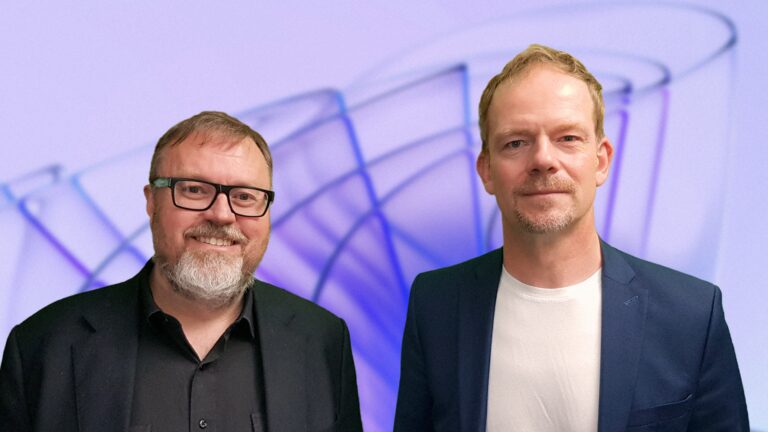
Host Paul Spain is joined by Jens Anders (Samsung NZ) as they delve into the exciting and ever-evolving world of technology. They discuss the expansive product portfolio Jens oversees at Samsung New Zealand, including everything from mobile phones to home appliances and more. They also dive into tech news, exploring topics like AI regulation, online safety, Military AI and the impact of technology in healthcare. Plus, privacy issues for travellers to the US, and Meta’s legal dramas. Join us as we navigate these subjects and discover how technology is shaping our lives today.
Special thanks to our show partners: One NZ, 2degrees, Spark NZ, HP, and Gorilla Technology.
Episode Transcript (computer-generated)
Paul Spain:
Hey folks, greetings and welcome along to the New Zealand Tech Podcast. I’m your host, Paul Spain and great to have Jens Anders with us from Samsung. How are you?
Jens Anders:
Very good, thank you Paul, thanks for being here.
Paul Spain:
Yeah, great to have you on the show. Always lots going on in the world of Samsung so looking forward to sort of delving into that along with sort of a lot of the tech news of the day. But maybe you can fill listeners in on what your role is and where you fit in at Samsung.
Jens Anders:
Yeah, thanks. So I’m looking after all product portfolio with Samsung New Zealand and the Islands which is a part of Samsung, New Zealand, Pacific Islands. So looking after mobile phones, home appliances, TVs, commercial displays, monitors, memories, so everything apart from the network.
Paul Spain:
Yeah, that’s quite a portfolio.
Jens Anders:
Yeah, this has its ups and down and advantages and disadvantages. You know, you always have some products doing better than the others but yeah, at the moment things, you know, touch wood, we’re doing okay and trying to do better every day.
Paul Spain:
Yeah, yeah, that’s good. Well, we’ll look forward to delving into that. Lots of things going on across the tech world, both from a, you know, a local and an international perspective. One of the things that we’ve seen Internet in nz, they’ve put out a survey and what they came back with is that people are quite worried in terms of online safety and concerns are also around artificial intelligence. And so you know, while we, we look at technology and you know, our technology has so many positives to it, there’s also the, these downsides and yeah, hearing from their survey, their Internet Insights survey that 68% of people are worried around malicious use of AI and a lack of regulation surrounding it. Obviously some people are excited and they said, you know, 10% of their respondents express more excitement than concern. Yeah, 44% reported feeling more concerned than excited. So I’m not sure that, you know, that this is too much of a, probably a shock to us, but what does it leave with you in terms of an impression? Do we really need to sort of step up on addressing some of these concerns or is it more messaging and helping people understand the, the benefits of technology such as AI?
Jens Anders:
Whatever we do and as more, as more connected we get with more and more product, I think it gets more and more important. Right. You have so many touch points and so many exposure points you have when you looking at a phone is connected to your tv, to your security cameras and it’s all connected and I’ll go somewhere. Right. So there is obviously something we need to be aware and we need to accommodate for because that is really when we do our surveys in similar fashion here in New Zealand and also globally. Privacy security is really one of the key points where consumers are concerned about because they’re giving more and more away about their life. Right. They’re letting the technology be more part of their life.
Jens Anders:
So obviously you get more exposed what you search, what you’re looking for, what, what you want to know. Even if you want to start doing some, what you call AI live translation I think it becomes more and more important that whatever people talk about, it stays within a private conversation. So I think this is one of when we go, when we started AI a couple of years ago and we want to enhance an AI, this is something we really, really want to be at the forefront for all our products. And the connectivity is that something. There are multiple layers to it. It’s the manufacturers ourself. Yes, the regulation needs to be a part of that very, very upfront. And also you need to have some level of, I think accountability, responsibility with the consumer or the user as well.
Paul Spain:
Yeah, I mean it’s interesting that current government is reasonably bullish on, on AI usage. And you know, we’ve seen Judith Collins kind of, you know, encouraging, you know, things to, to move in a direction of, of leveraging AI. And I think, you know, there’s, there’s a lot of wisdom to, you know, taking advantage of, of AI taking advantage of, of other technologies. But yeah, right, we’ve got to, we’ve got to make sure that the, the regulation kind of is appropriate where we can. But there’s also, I guess this challenge of educating ourselves as a nation around both the positives and the negatives and the risks of AI so we can all be making good decisions and using the technologies appropriate. Now another story that popped out over the last few days was one news actually picked this up and it was in relation to challenges with getting access to heart scans and the impact that can have when people have life threatening conditions if they can’t get access to the right sort of, you know, scans. I think this story referred specifically to echo cardiogram scans. But when, when you, when you see these sorts of stories about, you know, challenges getting, getting access to, to healthcare to varying testing and, and so on, and people in some cases having to wait considerable time.
Paul Spain:
So yeah, according to, you know, one of the entities, the Heart of Aotearoa, New Zealand Ki Amana Wanui Trust, at least 15,000 patients around the country are waiting for an echocardiogram. And that can have a play on to sort of, you know, treatment, whether it’s cancer or cardiac, you know, treatments. And yeah, these are the sorts of things that leave me thinking, how can we leverage technology better in these cases? And of course, you know, as a, as a country, we, you know, we do tend to, you know, step forward and take advantage of new technologies. But, you know, sometimes maybe not as fast as we could. We’ve certainly heard, you know, a range of stories and insights into the use of machine learning to, you know, to I guess, be able to reduce the workload that goes on to these specialists. And yeah, to me, I wonder, hey, is this another use case where we should be leveraging the technology more? You’re wearing your Samsung watch. We’ve now got these sort of smart watches. I’m wearing the Apple one at the moment.
Paul Spain:
But we’ve got these technologies that they might not necessarily do all of the things that the dedicated machinery and equipment in a specialist’s office or in a hospital can do, but. But I think there’s potentially also a place there because if you’re able to use machine learning to sort of collate that info or review the info that’s being collated by these devices, I can imagine over time we’re gonna see that playing reasonably important role within the health system that we just don’t see at the moment. Right. Which is interesting considering we’re a good few years in with smartwatches and things like the Fitbits and so on of this world. So we’ve been able to track a fair bit of info, but probably not fully taking advantage yet.
Jens Anders:
No. And I think it’s also having a healthy approach to new devices and new technology. Right. Yeah. There’s a certain level of, I wouldn’t say fear, but caution, but also a certain level of understanding how this technology can actually make your life better. Right. And you mentioned, you know, the smartwatches. Right.
Jens Anders:
And the original smartwatch. Everybody thought, well, I can do calls. Even if we had smart watches, they took cameras, they had pictures on it. But it’s more ever you see any brand who bringing smart watches on the market. The main purpose is really improving your health.
Paul Spain:
Right.
Jens Anders:
Improving, you know, heartbeat, blood pressure, all these, you know, your level of kind of health you have, your energy score, your sleep score, all that is just really focusing on your health. And I think saying it myself, and I’m sure you have seen it, Paul, is that it? Actually, when you have the right kind of understanding and the right kind of position towards it, I think you would see they can actually help. Again, like we said earlier, you always have to be aware about who has access, who gets it. I think that needs to be some form, needs to be some cadence around that. But overall, I think people understand more and more what these devices can do and what kind of information. Because in general AI well, how I see it and hopefully many other people see it, is it should make your life easier. It should give you, I think, information you might not be able to understand yourself and that health is certainly a part of this and it will be an even bigger future as we get more and more exposure to health risk in the world.
Paul Spain:
Right. You’ve got on the new Samsung ring today and I’ve had a little bit of a look at that today and previously when that was previewed locally a few months ago. How much difference do you think we get from having the different options? Because the smartwatch has been around for a while, they usually need a reasonable sort of level of reasonably regular charging, depending on the vendor. I think it was Huawei’s one that had the. I remember always having kind of the longest battery life, but you know, their products have largely gone out of vogue in a lot of countries such as New Zealand in recent. Yes. The ring, how do you find, you know, how do you find wearing it and what’s been, I don’t know how long you’ve had it, when you had enough time to need to charge it yet or not.
Jens Anders:
So I had actually I was a bit skeptical because I’m not kind of in general a jewelry type of person. But I think this is also not where the ring comes into place. So what I have figured out that since I have it, because you wouldn’t, like you said, the battery life and you wouldn’t normally wear a watch at night because it’s a bit intrusive when you layer and you have it there on your side and it’s not ideal. So the ring obviously, because it’s also quite light, you don’t really feel it and what you do, how we call it the watch as a kind of active health, when you do the running, the fitness, you measure and it’s quite accurate and the other, so what’s it.
Paul Spain:
Getting is getting sort of a heart rate reading and heart rate, blood pressure.
Jens Anders:
And particular is the sleep score. The sleep score because it’s very accurate. You know, it really measures the, the amount of how many hours, minutes you have in your deep sleep or your baby, you know, the temperature your heart rate at during your sleep and you, you know, then get some suggestion based on AI how can you do have a better sleep? Obviously wouldn’t take easy example don’t drink so much coffee at night. Right. So decaf coffee. So I think it gives you some of the suggestion as well but it’s very. Because it is very passive. And the good thing is this one I had up to.
Jens Anders:
I think officially it said seven days but I had it up to nine days with. With a lot of battery. It’s good when you have bigger fingers like myself. A bigger finger means bigger battery. Right. So because you have more material you can. But so, but yeah, that’s, that’s actually I’m very surprised how much I get addicted to it in the morning to see how is my sleep score? How’s my sleep? 100. Well, did I sleep if.
Jens Anders:
No, roughly when you wake up how it was. But I think it’s always good to have a little bit of a second thought to it.
Paul Spain:
Yes. Yeah. I haven’t been looking at that recently although I do usually try and sleep with a watch on to. So I’m tracking that but it has been a little while since I’ve gone back and had a look. Although last time I looked I sort of. And maybe this is because I have been looking, I’ve been getting a bit more sleep than I was previously. So there’s something to be said for measuring these, these sorts of things that, that, that matter and, and are important.
Jens Anders:
Yeah. Fast. It’s obviously very good from an echo point of view. So obviously we have now when you look at health itself, you know, you can have all these devices but how good is actually talk about the hardware. It’s also the software comes through obviously, you know, you have all the health apps and health kind of configuration which help you on your different devices to bring it all together. So obviously lucky with the Samsung Health on your phone and watches to really give you a good score and hopefully makes you a more healthier person.
Paul Spain:
Right. Now on another topic, killer drones is back in the news and although, you know, we sort of often, you know, we often talk about these sorts of topics they come up. But we’ve got, you know, Prime Minister Luxon who’s calling for some consideration, you know, I guess in terms of international law on how, you know, how much power AI should have. Because of course when we look at some of the wars, you know that are happening internationally, whether it’s, you know, what’s been happening in Gaza, Ukraine and so on, you know, more and more we’re hearing about the role of drones and yeah, there’s an AI element. I saw a documentary recently that was looking at how Israel is using surveillance and cameras in certain areas and yeah, it was, yeah, quite intense. Sort of the level of, you know, the level of surveillance that they’re leaning in on. I guess, you know, the flip side is, you know, they’re a place where there has been a lot of, you know, attacks on them and so on as well. So, you know, they, you know, they talk about it from very much a defensive standpoint.
Paul Spain:
And this particular, you know, doco was I guess, raising a story of, you know, is this use over the top was kind of, you know, what they were raising. And then, yeah, in Ukraine where, yeah, there’s been, you know, pretty severe warfare as well as in Gaza and a lot of lives lost and, you know, drones playing quite a key role in there. So, yeah, not a particularly light, you know, topic. But yeah, I think these are, these are actually pretty, pretty challenging topics because on one side we’re looking for, when it comes to technology, we’re looking on technology to help us, but having empathy for people that are on the other side, whether it’s people that are police force are wanting to listen into private conversations so they can maybe get to get to conversations that are, you know, to do with active crimes or terrorism or whether it’s the use of technology from a defensive or an offensive perspective. Yeah, there’s always going to be those two sides, isn’t there?
Jens Anders:
Obviously it’s a difficult topic and obviously from, like you said, I think I was also very surprised how often you hear in these two very, very sad and difficult examples you get how often the drones become. Be at the forefront of the news. Right. It just, it used to be, obviously looks like it’s. Fortunately they are. And every war you have, you know, the technology is unfortunately, you know, a part of it. Right. So I think it’s obviously something which will have an impact on, on the affected people.
Jens Anders:
And I think from, from, from our point of view, I think without getting too much into sadness of the story, I think obviously from us, the AI is obviously stays within security of the household. Right. And available, making making life easier for these people and your home for the consumer. Right. But it’s certainly something you hear more and more in regards to the topic you mentioned earlier.
Paul Spain:
Yeah, and look, I think, you know, the reality is technology is going to get used across kind of every sphere. You know, in fact, the New Zealand Defence Force, they invested in these Vector Scorpion drones that they’ve just had for the last few Months. And so, you know, close to home we’re looking and investing in, you know, in new technologies, you know, I guess across probably just about every sphere. So this is kind of, this is the reality of life in 2025. And yeah, we have to, I guess encourage some appropriate sort of discourse and yeah, when we know that the New Zealand Defence Force are investing in these things. Yeah, important that we make sure we kind of, you know, holding our governments to account. But also, yeah, we want to stay safe. So it’s not a particularly easy one to solve, but at least it is being discussed at the highest levels in this country as to how that sort of thing can be balanced and can.
Jens Anders:
Be appropriate as it might come to you for a surprise. Obviously I’m not originally Kiwi, so German born. So obviously even back in Europe there’s a lot of, obviously things have changed, the tone has changed business of the global nation. So I think even there, there’s more and more becomes around how you ought to come to on the defense, but how do you protect yourself versus possible risk? So I think there’s more and more budget resources going on a lot of these spaces, as sad as it sounds, but I think certainly awareness and I think think of these topics needs to be addressed.
Paul Spain:
Yeah, it’s interesting to sort of look at Europe and Germany. You know, we’ve been in an era where the US have been something of a police force sort of globally, that tide is sort of starting to turn. So we’re now seeing probably, you know, a lot more consideration to how and where to invest. And I don’t think you can look at any country. Yeah, there’d be virtually no country that’s sort of sitting on so much cash that they’re not very thoughtful around where they invest, certainly when it comes to security and defense. So I think what we will see is a continued focus on leveraging of AI and other technologies as, as they consider, you know, how best to tackle things in the years ahead. Now, onto another topic which isn’t completely a million miles away from this. I noticed a headline in the Verge titled is it safe to travel with your phone right now? And you know, it gave me pause to, you know, to think a little bit.
Paul Spain:
Well, this is a topic that we’ve, you know, we’ve talked about in the past when you, when you think about it, you know, we tend to travel with bits and pieces of technology with us. But actually that has been quite variable in terms of, you know, what happens at the border in different countries. And the Verge we’re Very much sort of focusing on the US because there’ve been some situations that are, that have, that have you know, really drawn some, some attention to, to the topic by people being denied traveling into. Into the US based on searches of their smartphones. So, yeah, that’s, that was kind of. Kind of, yeah, a bit of a, bit of a surprise. Some of the details that were shared. So there was a doctor who, you know, had an appropriate, an appropriate visa for traveling to the US but was deported to Lebanon after the, you know, Customs and Border Patrol found what is stated as sympathetic photos and videos of Hezbollah leaders.
Paul Spain:
Now, you know, I guess there’s, there’s, this is, you know, when you look at Hezbollah, you know, they’re, they’re a terrorist, you know, organisation. So, you know, you can understand putting some of these, these dots together why, why that might be the case. But then there was a French scientist who was turned away after a device search basically brought up messages that were criticising the Trump administration’s cut to research programs, which officers said that that conveyed hatred of Trump and could be qualified as terrorism. So you get into a pretty challenging position of, you know, if you’re starting to, yeah. Judge people on whether, whether they like the current kind of government in a given country, you know, at the border, you know, based on these, these, these sorts of searches. Now, both of both of these examples there, there is a, you know, there was a reference to, you know, to terrorism which, you know, I think, you know, look, this is the reason that we have, we have, you know, customs and border control. That’s one of the, one of the reasons is that, you know, nobody wants to be letting terrorists into their country to, you know, potentially, you know, perform acts of terrorism. But, you know, I guess this, this comment around.
Paul Spain:
Yeah. What’s seen in somebody’s phone suggesting a hatred, you know, of the government of a prime minister and so on. Yeah. How do you draw those lines and. Yeah. How does this play out in the future? If this is what’s happening in 2025, you know, where could we be and sor. Five or 10 years in terms of. Yeah.
Paul Spain:
How much do you drill into people’s phones? How much do you drill into people’s thought lives? You know, how far can the technology kind of, kind of go? And does that mean that, you know, people are very, very limited in terms of where they travel? You know, I think there’s a lot of people that would travel to countries where they don’t necessarily agree with the politics or, you know, the regime that operates in that country, especially when you.
Jens Anders:
Go into the U.S. i’m sure everybody, most people have to come to the US and you know how long you have to wait at the border patrol, border control already, right. When it takes you, when you’re lucky, you get out of there in LA to three hours. If you add now that additional work for every person or half of the people who come in there, I think you can spend a day at the airport, you know, but like you said, where do you draw the line? Right. Well, this is very, it’s just a subjective opinion of a border, border control officer. I don’t know, it would be very hard to just have a very fair and transparent and you know, guideline around this. Right. Because this is again, it’s you talking people to people, you know, are they, are there any regulation around this? Again, you know, we all thankful for the work everybody doing versus to, to protect the, the population.
Jens Anders:
And, and I think we need to be aware of this, that there are threats out there which we wouldn’t, you and me wouldn’t inhabit, you know, and any kind of knowledge about, you know, what’s, what’s, what’s happening. But so you want to be protected, you want to be safe. And that’s a great thing in New Zealand. Right. For us. Such a, such a, such a safe country and such a great country. But, and obviously I’m not American and I’m sure America had its own challenges. The phone, you know, from a, from a technology point of view, how you do the phone screen, where does it stop? What do you do? You know, I think that that seems to be a very compson process.
Jens Anders:
So I wouldn’t, you know, and then whom you pick out, do you pick out people based off their ethnicity or how they look on the day? I think it could be a bit of challenge.
Paul Spain:
Yeah. And look, I mean you could imagine a scenario where, hey, that’s a pretty time consuming thing. So you hand it all over to the AI to do. Right. The AI does a scan of somebody’s phone, scan of somebody’s social media and it makes a decision on whether or it gives a recommendation on whether you’re, you know, you’re allowed to enter a particular country. So it sort of sounds quite George Orwell, 1984, kind of like, you know, but also, you know, there is that duty of care. And yeah. If we look back at the varying kind of, you know, terrorism attacks.
Paul Spain:
Yeah. You wonder, oh, if some of this technology had been applied in some of these other cases, what would you have found? You know, we had our own, you know, case with the mosque attacks in Christchurch. And yeah, you wonder, well, you know, how much knowledge would there have been in the attacker’s phone or devices that could that have given something away. But I think you do need to, you also need to draw lines at some point, but well above my pay grade to be able to give sort of solid guidance on how we should get that. Right. But again, I think we’ve got to be talking about it and thinking about it and as individuals we can make those choices and we can decide, well, if we’re uncomfortable with what America does, we can choose not to visit. Easier said than done if that’s part of your work and so on. Right.
Paul Spain:
But yeah, we are kind of, you know, entering, you know, I guess, you know, a period where things are probably getting more complicated when it comes to travel and safety in some regards. Now, one more big topic which I don’t think we probably gonna spend a lot of time on cause I’m keen to delve into sort of Samsung, but this new book, the tell all book Careless People by former Facebook Meta employee Sarah Wynn Williams, we’ve seen that Meta were able to win an emergency arbitration to halt the promotion of the book and sort of a gag order, you know, coming, coming out. And, and so yeah, I find, I find this interesting because when something like this happens, it tends to shine. Yeah, potentially a lot more light and, and, and, and focus on the, you know, the, the media at hand. So yeah, you can imagine that, you know, Careless People potentially is going to get, get lots and lots of attention. You know, it’s, it’s already been, been on the bestseller lists. But yeah, by getting blocked, Meta might not actually save themselves any pain and potentially get, get more pain. Right?
Jens Anders:
Yeah, yeah. So especially everything what’s around Meta these days. Right. There’s obviously extra awareness and extra curiosity when it comes to consumer.
Paul Spain:
So I think what they got was the book not being taken off shelves, but the promotion of it was being stopped. But of course the media attention ends up becoming the bigger promoter there. Right. So yeah, it certainly prompted me to go and have a look and, and look to buy the audiobook online. So finish it yet? So that’s on my list. I haven’t got to it yet, but yeah. So delving into sort of world of Samsung, there’s I guess lots of elements, the smartphones and the gadgets, the watches, the rings, all the different things that you do through to TVs and white goods and so on. So there’s a Whole lot there.
Paul Spain:
But maybe before we sort of jump into that, Brett, one of the areas that we chatted about that should be on the radar is 3G stopping in New Zealand largely by the end of 2025 at this stage Australia has already been through that process. So maybe you can talk to us around what you’ve seen and what maybe the learnings are out of this change in Australia because it seems like, you know, some folks were ill prepared for 3G to stop because they had 3G devices and they all suddenly stopped working. So what should we be doing differently in New Zealand?
Jens Anders:
Yeah, I think it’s also not only the consumer in Australia, it’s also New Zealand consumer. For example, you have your parents want to visit their kids in Australia because they’re there and they’re coming there with a 3G phone, potential feature phone. Right. Which you can still have out there. And then you come out, want to call the kids at the airport, please pick me up. And then nothing is working.
Paul Spain:
Phone doesn’t work. Yeah.
Jens Anders:
So I think the awareness is a big, big piece of this. So I know that consumer tends to leave things to the last minute often and they might not be aware and especially some of the demographics which still have 3G phones. And we’re also talking, you know, 4G phones with a different bandwidth as well which maybe came through into the country through, through, through some way. They also not. Will not function at a certain time. What the date is, I don’t think it is 100% clear yet. But I think the most important part for and I speak to my Samsung Australia colleagues is that potentially it was a lack of awareness and maybe not enough efforts done from the, the suppliers as well, the operators to just make sure what, what angle can we use to talk to these consumers? Because it’s quite hard to talk to these consumers because a lot of them might not be on Facebook. Social media, do we need to use traditional media? And I was also not at Samsung at the time, but I remember when I was a consumer self when there was the digital for TVs I think there was a lot of awareness, hey, make sure your TV changes completely.
Jens Anders:
You might not be aware. And they try to simplify the message. I think at the moment obviously there are few organisations that look into that like telecommunications organisation I think. And again the operators will have a good view on who their customers are because they can see on which network they are. We can see but obviously on a broad spec how many 3G devices are still active in New Zealand for Samsung perspective. So I think it is a really awareness and the simplification of the message. What is actually happening is important because if you get too technical you will lose the.
Paul Spain:
You’ll leave people behind, right? Yeah, exactly. And I guess there’s been, yeah we’ve been through sort of technological and non technological changes in the past. You know, back before my day was, you know, the change of currency, you know, as we moved to the dollar, there’s all sorts of changes that kind of get foisted upon us and hopefully mostly for good reason. And I think combining the spectrum that’s being used for 3G now, moving that in so it could be used for 4G and 5G largely that’s going to be a benefit in terms of improved performance and coverage on sort of 4G and 5G. I’m kind of picking that our telcos have a reasonably good sort of handle on this and that if we look at what each network has, they would be able to get a, you know, a take on, you know, everyone that’s, that’s every connection that they have. If that connection is never, you know, going on to 4G or 5G, they could probably target people individually. Would that be, would that be right? So they can actually, you know, in advance of the switch off of 3G, they would be able to do direct messaging back to back to those consumers or business customers who are exclusively on 3G devices.
Jens Anders:
I think from my assumption, obviously everybody who has most people have a phone and have a postpaid contract, they have a certain connection to the telcos. Right. And I’m sure there’s some based on data privacy or there’s a certain level of communication which can be done and can’t be done without being too much into details of that. But obviously certainly you have a relationship to your telco from that point of view. So I think they find they’re working quite. And we’re working with all of them together, you know, what can we do to help as well. So because obviously it’s, it also, you know, comes back to us when somebody can’t use their Samsung phones. They don’t only know is it the network, is it the software, the hardware, the network.
Jens Anders:
So obviously comes back to us as well. And we want to have a very smooth process in there as well. If everybody goes at the same time, you have a lot of people then suddenly don’t know what’s going on and they try trying to call, not sure maybe they still have a landline at home, not many. So somebody to help them because the Phone is not working or they will storm into the taco stores and trying to sort it out. But ideally can maybe pull that kind of demand forward so we can. It’s a bit more smoother. Right. Rather than everything comes at one day or one week because that would obviously be mayhem.
Paul Spain:
We’re not always very good in New Zealand and I don’t know how it is elsewhere in the world, but of doing these things in advance and you often hear about it with concerts and so on and it gets up to quite the last minute before. Before the, you know, a lot of people buy their tickets for. Yeah. For varying reasons. And I went to the Black Caps game vs Pakistan on Friday at Eden park and yeah, it was sort of the same thing. We were bouncing around the idea of going and there wasn’t any particular pressure, there was plenty of space. So you know, we bought our tickets. I don’t know, maybe a day, you know, roughly a day, you know, in advance.
Paul Spain:
So yeah, I guess that that creates challenges in terms of the right devices being available and choice and so on. So probably there is some benefit for people to plan ahead a little bit and you know, pick up the device that best suits them earlier because if it is left too late they may well get to a position where there aren’t enough devices to go around or there’s not the best choices.
Jens Anders:
Yeah. And I’m obviously looking at phones, but there’s so many other technology on a 3G network. Right. I’m not sure. Garage door openers, health equipment, you know, there’s so many more to it which are connected to networks and only phones. Right. Is everybody aware of these other products out there which are 3G enabled? So not sure if I said there’s a lobby group or any kind of group looking more details into that because I know it was like this when TV switched over.
Paul Spain:
Yeah.
Jens Anders:
So I’m just hopefully everybody can listen today. Making sure you shout it out loud from the rooftop. That day something happened. So everyone that know they still. Maybe if you still see a feature phone running around somewhere, maybe it’s a. They remind these people to. It’s a good time to switch.
Paul Spain:
Yep, yep. Definitely something to. Something to think about. And I guess Samsung will benefit from selling some new, some new gadgets in the mix there.
Jens Anders:
Yeah, I think the good thing with these, the phones these days and we can see there’s still obviously a lot of people that change their phones every, you know, roughly two years, but there’s still people using their phone for five, six, seven years and there’s a lot of people. Just for example my dad back in Germany with his 84 years old, he still had a Samsung feature phone. I didn’t even know that Samsung still does feature phones, but apparently he bought data not so long ago. So there’s still that kind of skepticism and scareness of these new smartphone and technology and I’m sure he’s not the only one out there. So then bringing people from a feature from, to a smartphone, you know, it’s not gonna easy job for everybody in store and the operators, those who are trying or the retailer stores to try to overcome that skepticism and fear for this new smart technology.
Paul Spain:
Yeah, yeah, yeah, I’m sure, yeah, there’ll be a few transition pains there. Now looking at the broader sort of range of things that Samsung sells in New Zealand and we were talking about AI earlier. I’m kind of curious on the role that you see AI playing. Before we started, we were kind of talking around ovens that can kind of look and I guess using some machine learning, able to adjust maybe, you know, maybe you’re roasting a chicken and it can have a look and go, oh, it’s not quite as, you know, dark as it usually would be or what have you and you know, can maybe, you know, extend the cooking time a little bit or you know, all these sort of variations. What are the things that sort of stand out to you the most as being, you know, being helpful at this time? Because there is this kind of level of, you know, we’ve had green washing in the past. There’s a sort of level of, you know, AI washing everything. You know, we’ve got a coffee machine here that was, you know, was touted as, as using AI in order to, I think it was sort of get the right pressure on the, the coffee when it, when it does the tampering and then, and also sort of measuring whether you’ve got the right amount of coffee now. Yeah, I guess you could kind of, you know, you could maybe, you know, call a bit of, you know, simple machine learning.
Paul Spain:
That’s, that’s, that’s AI. But yeah, AI is not necessarily the title you, you know, you would, you would apply. And of course we’re, we’re not, we’re not that far into these, these sorts of technology sort of being being applied. But yeah, what, what’s, what’s taken your attention, you think are kind of the, the, you know, the best use cases of, of AI within, you know, consumer electronics and tech.
Jens Anders:
Yeah, I’m so glad to add to that because the Earlier AI topics were a bit heavy, right. So I think there comes a bit more where I can add a little bit more value to it. I think it’s like you said AI washing was, you mentioned that. And it’s really important because we had consumers earlier when we started. We now have, see the, the family have fridges now with AI. And then people are saying AI for fridges, washing machine. Really? Right. So are you not taking a bit too far? But it’s, it’s kind of how we want to segment it.
Jens Anders:
You obviously have what you call the generative AI. So I generate content based on some other sources, historic learnings. I have like the language, the videos. I generate a video based on some input I have. I generate a text, I generate a song, I generate a poem. So I think that’s quite, people are quite aware of this. But, and especially when it comes to looking after white goods and TV as well. It’s, it’s, it’s the, what we call predictive AI.
Jens Anders:
So what I mean with predictive AI, like the products we have with fridges, washing machine and ovens and vacuum cleaners to a certain level of product portfolio, they have sensors. The sensors as an example, simple example is the washing machine. You put in your fabric into the washing machine, the sensor recognize what kind of fabric that is, senses how dirty that is and then it gives you the ability, it just gives you a suggestion or predicts this is the right washing cycle, this is the right detergent you need. Because you know, these days the washing machine, you don’t put detergent, have the auto dispenser. It just gives you the right amount of, of water you have to use and the right amount of energy you have to use. And so I think this is a really good example how AI can help. You know, you’re doing the right choices and you save a lot of money as well by not using enough water or energy, right? And I think this is, this is where the family hub fridge, for example, a fridge who can have sensors and recognize the food and just give you, gives you a message on your phone, hey, before that date, use that bacon because it’s going to be over because you can’t use it anymore. Or recognize you have a chicken and lemon in your fridge and say, oh maybe, maybe when you want a recipe and lemon chicken, right? That’s what you have in there.
Jens Anders:
And you mentioned the oven and even, even vacuum cleaners who sensor the ground, the floor, the fabric, the whatever hard floor you have and giving you the right adjustment. I think there’s a big part and it all generated very strong in Europe because you know the, the energy costs and gas prices and they have gone through the roof crazy and what they had to do because your home appliances are one of a key, key contributor to your energy bill. How can you on top of your normally energy rating, how can you give help AI to really save you some money and some, some, some, some, some energy. So we have good partnership with some, some big energy companies in New Zealand. So we also want to do that to the next level. How then on the app can say, you know this which thinks is already there but every next level this is the time you should use your, your cycle, you’re washing. Right. This is the time when you use the most energy I think really making it easy for the consumer and also helping to save some cost as well.
Jens Anders:
So again generative AI predictive eye. This is where we kind of put it into these buckets.
Paul Spain:
Yep. One thing that comes to mind for me, I’ve been on a power plan which is I guess targeting you know, having an electric vehicle and so we were getting 9pm till midnight and they don’t charge you for the power during that window of time. And I always feel guilty if I’m putting on a washing machine or dryer and it’s 8:30 but I’m thinking will I remember to do it later. So I guess probably the technology is there to pick a start time and so on. Yes, of course, yes these days. So you’ve got that sort of intelligence and I guess as time goes on those dots will kind of get joined up so it’ll know what power plan you’re on and, and can maybe adjust or at least give you the option to delay and start until you’re on a kind of a lower rate, whether it’s a free rate or a discounted off peak rate or what have you.
Jens Anders:
I think the good thing is and you’re 100% aware of Meta, the meta universe with all the brands being a part of that ecosystem like the Arlo, Eufy, Samsung. So you can bring it all together as well. And then obviously you have your, you, your predetermined kind of scenarios. Right. You came home, you know, you know the lights go on automatically when the, the heater goes on and off and then you could do the same. You add the washing machine to we talk then, then it goes from AI because a lot of people think AI is also connected home. But connected home is a completely different story as well. So that’s always something we have to be aware of as well.
Paul Spain:
Yeah, yeah, that’s. Yeah, that’s a good point. So, yeah, that’s probably a good. Yeah. Thing to. Thing to be thinking about is the role of technology such as matter that allow you to have those smart home devices all linked up. That was interesting around the fridge, being able to let you know what’s kind of going on in the fridge. So how far down that track are you at the moment? What are the current.
Jens Anders:
It’s already out there. So it’s already out there. So the examples I made user, it’s already out there in a high number of products. It’s now again, I think all the AI features and all the future features, you know, because it’s like the phones, you know, what can you change on the phones in regards to the design or the hardware? What can you change for the fridge in regards to design and hardware? It’s already out there. So it’s now make them either faster, make them be more reliable, more durable, but and now think especially bending come and you know, cost efficient. So and that’s where the AI with cost efficiency with. And with the fastness and with the giving you the suggestion becomes. And it’s already out there.
Jens Anders:
It’s already happening. The oven you mentioned earlier, it’s already out there, right? The fridge is already out there.
Paul Spain:
And, and how do you, you know, how do you bring. Keep those things up to date, for instance. So I’ve got, we’ve got some friends. They’ve, you know, they’ve got one of the smart fridges with the touchscreen. I guess it’s got the camera into the fridge and so on. But it was probably bought maybe four or five years ago. So in terms of bringing through all those latest capabilities, that becomes a bit of a challenge in terms of you can’t necessarily roll back all of the features. Those are often gonna come with kind of a new gadget.
Paul Spain:
I mean, for me, I’ve been getting a meal delivery service, right. Hellofresh. And now I’m thinking, oh, in the future, could the technology get kind of good enough from terms of what Samsung can do that I could throw a whole lot of stuff in the fridge and then it’s going to. Without me having to make a big effort. And I guess this is part of the challenge. If you’re monitoring what’s in there, you know, how much effort is it for the individual as they put food into the fridge, you know, how smart is that? But I imagine in the future you’ll be able to fully keep track of Everything that’s gone in, how long it’s been in there, I guess even using the camera to have a look and recognise that a particular fruit or vegetable is degrading and so on. And so you could effectively get almost an equivalent of a, of a hellofresh just based on you throw everything in there and it tells you and it knows what needs throwing out, what’s of the appropriate sort of quantity levels and those sorts of things. But yeah, there’s that challenge of keeping the devices current.
Paul Spain:
How does Samsung sort of address that in these devices? Because you end up with an issue of everyone buying a smart fridge, which are, you know, pretty big devices, is having to put them into landfill after three or four years. That’s probably not the ideal scenario yet buyers of that type of technology are kind of wanting the latest features as well.
Jens Anders:
Especially on software. I think to upgrade hardware, you know, without being in the actually homes itself is a bit difficult. Obviously the software is one which is really key focus for us to make it sure that we ensure our consumers that the software updates are as long as possible. Yes, you could say you want to sell products but we know we can only sell products by creating loyalty, trust and loyalty. You not only create in one or two years, you create loyalty in six, seven years. And by, for example you see with the phones then all the phones now they have six, seven years software and security update, right? There used to be one or two years.
Paul Spain:
I think that’s a huge step forward.
Jens Anders:
Especially the entry piece as well. The new A series we just launched there. That is you can, you know, you buy this now for a reasonable price and you know, for another six, seven years these products, they will always get an upgrade. They’re not left behind, they always get secure because security is the other. It’s a software and security update. We do this with TVs as well. So we’re working very closely with all the streaming providers globally and locally that we ensure that TVs. You remember when Spark Sport came out, right? It was which TV is in or my TV is from 2018 on does not.
Jens Anders:
So I think making sure that these times are expanded as possible. You know, maybe 10, 15 years ago when companies has a different approach, we just want to resell more and more products. Now I think we, we have passed that point. We know that on a long journey this is what we have to do. So I said we already doing this with TV and phones already for the time periods I mentioned. And the same is obviously now with the. Because the chipset in, in in the products is so advanced that the software is always updated. As long as you have WI fi connected to your, to your washing machine and your fridge, the software updates going forward will be coming as well.
Jens Anders:
Because obviously we being one of the biggest people hardly know that we’re one of the biggest chip manufacturer in the world as well. Right. So we always know that the end product but not that how many Samsung products are in other products, even our competitors product. So I think there’s, there’s with the whole AI that has completely changed the game. So you will be able or to going forward to upgrade the software and any of the products which, which are AI enabled.
Paul Spain:
Yeah. And at the moment you’re not really sort of publishing time. You know how many years of a particular fridge or these.
Jens Anders:
We do, we do not not for the, the fridge and washing machine. We do for the, for the phones but the, the fridge and washing machine. But that’s, that’s the next steps because obviously the the AI enabled features in our, in our home appliances relative new. So we will be able now to develop over time. Yeah.
Paul Spain:
Yeah. Okay. What’s the impact of sort of you know, what, what’s happening in terms of the you know, trade wars internationally? You know, what’s the impact of those things on New Zealand consumers?
Jens Anders:
I think I never know that I will at one stage become a foreign exchange expert. But you know, every time when there’s the New Zealand, you know, government bank or the Fed in the US doing something or something happen or Trump says something, it obviously has an impact on our exchange rate and there’s pros and cons. So giving you an example, when we obviously have an interest rate cut in New Zealand, it’s great to lift, stimulate the demand. On the other side, you know, we, when you look at global investors, they’re stepping away a little bit from the New Zealand dollar. That means the US dollar becomes higher versus New Zealand dollar means everything we import becomes more expensive. So the challenge what you have everything, you know, most people who operate in US dollars, higher US dollars means potentially risk again for inflation because you need to pass on. We pay in you know, our factories so they, they demand in US dollars say like other companies as well. That mean there’s always something we have to have an eye on.
Jens Anders:
Obviously recently I think we were pretty, pretty good and especially with the newest phone launches to keep the prices as much as we can to make them accessible. But I think the, the, the interesting part is how much the trade wars have an impact on pricing and then what it means in the end product cost for the consumer. So that’s why looking at the US dollars, very, very regular.
Paul Spain:
Yeah, yeah and look, yeah if you look at everything through that US dollar lens then you kind of expect everything to go up. But you know, of course there are elements where not everything happens in US dollars and certainly yeah a bunch of countries where the cost of labour versus New Zealand US dollar has gone down and so on. I saw a big manufacturer who’s launched a new product in I don’t know past two or three weeks and I noticed that their price in the US had dropped and yeah, I’m not sure whether we’d kind of seen an equivalent drop in the New Zealand dollar, you know pricing. So it was kind of interesting. Yeah it’d be interesting to sort of see and to track these things but yeah it’s certainly, yeah pleasing to see. We’re not seeing a whole lot of, you know, a whole lot of, you know, price increases, you know certainly just yet.
Jens Anders:
So I think we also from, from Samsung perspective we’re well connected globally I think you know the hundreds of factories on RD centers we have in different countries, you know in the US as well, you know. So I think there’s a good trading relationship with Samsung with most major major economies in the world. So I think that also helps having having that of relationship and that part to, to trying to be as resilient as we can. I think chatted earlier I think from our side it has its pros and cons having more product portfolios. Obviously as I said we have phones, TVs, home appliances. So there’s always different aspect to the market. TV market behaves different like the mobile phone market and the white goods market. So they’re different component because we know people buy a phone to the different circumstances they buy the TV different.
Jens Anders:
It used to be, you know, TVs use every time when there’s a big Rugby World Cup. It was on a lot of TVs but this time has unfortunately gone otherwise I would propose for Rugby World cup being here every year and then obviously home appliances is all very strongly linked also to the construction, construction industry because we know a lot of people buy new fridges, new ovens, new washing machines when they either renovate or they buy a new house. So I think that’s a big, big part of that as well.
Paul Spain:
Interesting. And yeah we haven’t seen the same uptake on yeah buying new homes. Probably the current economy that’s probably about all we can squeeze in for this week. Is there anything major that we’ve missed that you wanted to touch on?
Jens Anders:
No, I think we touched on most of that. I think from our point of view, I think it was obviously the economy, like everybody would have felt it over the last few years, but every time everyone I speak to, there’s some light at the end of the tunnel where people say, hey, yeah, we can see, obviously we’re dealing a lot with retailers, with operators. They feel it’s still tough out there, but things seem to look better and what we can start seeing as well from our side. So I think especially technology, where we know that evolves every day, every week, every month. Right. I think this, this, that’s a good industry to be in and I’m sure there will be more and more little gadget we can, I can show you going forward.
Paul Spain:
Yeah, I’m sure it’s not, not, not going to stop anytime soon. Oh, great to catch up, Jens.
Jens Anders:
Thank you, Paul.
Paul Spain:
Thanks for joining me on the New Zealand tech podcast. Of course. Also, a big thank you to our show partners to One, NZ2 degrees Spark, HP and Gorilla Technology for those that are listening to the audio. Yeah. Make sure you’re following us on the, the likes of YouTube or LinkedIn and, and the other, the other platforms that we all often also stream video on. So thanks everyone and thanks again.
Jens Anders:
Thank you. All right, cheers.
Paul Spain:
Check it.