
One NZ Satellite Connectivity, AI Factory and 150 years of phone calls
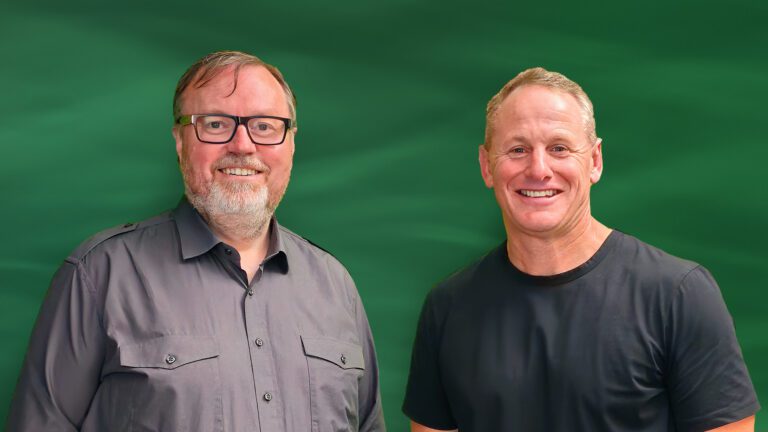
Listen in as host Paul Spain sits down with Joe Goddard (One NZ) as they explore One NZ’s satellite-to-mobile networks, introduction of One Wallet and Phone Dollars and what’s next for One NZ.
They also review tech news from the week including:
New-Zealands-Internet-Insights-2025-survey-findings.pdf
Read the full transcript
Transcript is computer-generated and may contain errors.
Paul Spain:
Greetings and welcome along to the New Zealand Tech Podcast. I’m your host, Paul Spain, and a real privilege today to have Joe Goddard joining us from One New Zealand. He’s the Chief Product and Marketing Officer. Welcome along, Joe.
Joe Goddard:
Thank you very much, Paul. Yeah, great to be here.
Paul Spain:
Yeah, thanks for taking time out to come across to the studio today.
Joe Goddard:
No worries, no worries.
Paul Spain:
Maybe you could just give listeners a little intro on where you fit into the big wide world of tech and telecommunications in New Zealand.
Joe Goddard:
Yeah, where do I fit in? Okay, so So I’m Chief Product and Marketing Officer at One New Zealand. And so my team is responsible for turning our network into products and services that New Zealanders and New Zealand businesses consume. And then also telling New Zealand about it, marketing it to New Zealand and making sure they know what the best of what we’ve got to offer. But I’ve been in telco for, what is it now? My daughter’s 18, so it’s one more year than that. So 19 years. And I love it. Absolutely love it, yeah.
Paul Spain:
Fantastic. Oh, well, great to have you here. Of course, big thank you to our show partners, to One New Zealand, also Spark New Zealand, 2degrees, Workday, Fortinet, and Gorilla Technology. Well, let’s jump in. Today we’ve got some fascinating stories to delve into from a New Zealand perspective, some international news, and of course, very keen to get some insights into what’s happening in the One NZ world and delve delving into the interesting things that one is doing. First up, Internet New Zealand have their latest survey out and all sorts of sort of fascinating data in there. It’s packed with, I guess, the responses from from surveys across New Zealand population. And I know it’s hard to know exactly what data to jump into there.
Paul Spain:
One that stood out for me is that 47% of online New Zealanders are spending 4 hours a day on the internet for personal use.
Joe Goddard:
Yeah, I thought that was— I mean, we’ve all kind of, we all probably think that’s happening, but yeah, that’s, that’s incredible. Half of, half of New Zealand spending 4 hours, um, I guess, or even that they’re willing to admit it, right?
Paul Spain:
Because this is a survey, because you, you guys will probably see some, you know, see different data as well, and you might, you know, potentially your data would suggest these numbers are higher than people will admit too.
Joe Goddard:
Yeah, they’re probably, yeah, probably, it probably is. But if you think about people consume, consuming all their their TV content over the internet now. So I assume that that’s gone into it. So a lot of people are streaming. I know at our home, we’re all watching different things across different TVs and phones and iPads and things at the same time. So when you maybe put a couple of hours of TV viewing in there, maybe it’s not too bad, not too bad. But yeah, I thought that was amazing. And you see the spread across the age groups.
Joe Goddard:
It’s not one age group going here, it’s everybody.
Paul Spain:
Yeah, yeah. When I saw there was a breakdown down there. And the younger cohort, because this was 18 people, 18 plus, that were surveyed, the highest, you know, cohort was 18 to 29. I’ve got here 60, 63%. And then that sort of trails down to 31% for those 70 plus. Yeah. So, you know, there are variances there for varying reasons. A note that I saw just on some of the summary data that was prepared was for that 18 to 29 age group, TikTok seemed to be top of the list.
Joe Goddard:
Yeah, yeah, I don’t— so I’ve got a daughter, she’s 18, and so I can understand that. And the amount of— she calls them TikTok facts, the amount of TikTok facts that are coming from her. And yeah, I can see that. I mean, they’re just new ways that kids communicate and it’s a phenomenon. The other thing I saw in there was the take up on AI. So I was looking, was it Facebook took a year to have like a million users? ChatGPT took 5 days.
Paul Spain:
Incredible, isn’t it?
Joe Goddard:
And New Zealanders are moving just like we’re moving, just as fast to these new tools and new applications. So that’s good to see that we’re trying it out. Obviously people have got misgivings as well around security and things like that, but we’re definitely having a big crack at it.
Paul Spain:
And I think that is important. As a country, if we’re not understanding the new technologies, then our chance to be able to leverage them and to succeed as a nation is diminished. But of course, there are flip sides and challenges to every technology.
Joe Goddard:
Absolutely.
Paul Spain:
And that’s part of this journey, really. There were some other numbers. A quarter of people online are using WhatsApp daily. Above that was Instagram. A third are using it, are using it daily. 15% for TikTok. If you, if you look at that kind of across, across the board. So yeah, some really insightful bits and pieces, details around sort of use of things like Reddit and LinkedIn, Snapchat is on there, use across X, WeChat, Discord, Threads, Telegram, Bluesky, Mastodon.
Paul Spain:
So, you know, some of these, some of these sort of smaller social networks. And I think that can be quite, you know, quite fascinating to have a look at. I think it was some— was it Parliamentary Services who exited, you know, X or Twitter, you know, very recently. So it’s interesting to look at. Yes, some of the, some of the data on, on these things. And, you know, yeah, it’s much better to have the data and to be able to be informed from a decision-making perspective than to go in and, you know, I guess to, you know, make, make decisions without the data. So this is a really helpful and insightful document.
Joe Goddard:
Yeah, and it’s not stopping the growth of these applications and these apps and what people are trying out, but people are getting more and more aware of their personal data, their privacy, their scams, obviously a big one. And so one, We, annoyingly, Jason always likes the big, bold statements, but he actually backs it up. So he wants us to be the most AI-enabled telco on the planet. So he hasn’t gone for just in New Zealand, he’s gone for on the planet, which is— and he got up on stage in front of, I think, ended up being millions of people that watched it with Salesforce and declared that. So, and there’s two reasons. So how can we improve our experience for customers and how can we do things more efficiently and better and and take away a lot of that complexity that can come with telco. So we see AI doing that. But also if we’re trying it out and using it, how can we help New Zealand businesses as well? So how can we help the rest of the community go? Because we have the privilege of great relationships with Google, with Amazon, with Salesforce, with OpenAI.
Joe Goddard:
So how can we bring that knowledge of what we learn to New Zealand businesses? And obviously We have a lot of customer data, so privacy is incredibly important. So doing things with the right guardrails is why we want to go fast. We won’t break the guardrails. So how we can help educate New Zealand about what we’re seeing and so the rest of New Zealand can use these tools really quickly, but be really aware of the downsides.
Paul Spain:
Yeah, I guess as a, I don’t know, a giant petri dish, you can, you know, you can try out lots of different things and see what works. Works, but also for those customers or others kind of looking in at what you’re doing, there’s the knowledge that you’ve got that maturity from a cybersecurity and a data privacy perspective over a long period of time. Whereas sometimes what we see, say at the startup end, as a startup comes up with an idea, moves quickly, breaks things, and so on. Yeah, that doesn’t necessarily have the best of consequences. And it’s maybe some of those downsides that have led to the result that— or one of the comments was among those who know at least a little about artificial intelligence, they found that almost half are far more concerned than they are excited. Which I found quite fascinating because within the, within the, you know, within the tech world, you know, these stats would probably be quite different. But looking at the data, more excited than concerned in this latest 2025 survey, 12%. Equally concerned and excited, 35%.
Paul Spain:
More concerned than excited, 47%. And, you know, those who had no concerns or didn’t know was 7%. So it’s like, wow, that is, you know, that is definitely something that has kind of carried out, I think, you know, across the general populace is concerns around AI. Now, my, you know, my pick, if you kind of, you know, delved into delved into this, is it’s all the talk of jobs disappearing and things like that that probably is the cause of the biggest concerns, right?
Joe Goddard:
Yeah, absolutely. And also, I mean, the tech is changing so fast that no one can sit and tell you that they know everything. So with uncertainty about what it is and what it does, and how it does it, I guess would come with a little bit of fear. And, and I mean, we’re seeing this technology move so, so fast and I can understand why New Zealanders are concerned about it and feel— because no one likes feeling out of control and like feeling like their data and this stuff about them is out there in the world and not being in control of it. Yeah. And that’s why we want to work with especially New Zealand businesses, around telling them what we’re doing. And so we’re all learning, like they don’t have to make the mistakes that we’ve been there before them. We know how to put the right guardrails around it so they can use it safely to improve what they do for New Zealand.
Joe Goddard:
Yeah, yeah.
Paul Spain:
There is actually a bunch more kind of in there. So I think Jo-Ellen will put a link up to the report at InternetNZ’s website. For those that want to have a look. The report actually has a different opinion and I guess some data on what people’s main concerns are. So if you, if you want to look into what those are, then, then yeah, have a, have a look and delve in. On, on other topics, we’ve heard news of DataGrid having secured approval to build a hyperscale data centre near Invercargill. Now they’re not so much calling it a hyperscale data centre, but more I’m seeing the terminology New Zealand’s first AI factory. And this is, you know, significant in terms of its scale.
Paul Spain:
I think that, you know, the investment involved There was some commentary or some media reports last year talking about the first phase of this being a $3.5 billion data centre due over the next couple of years, 78,000 square metre facility and tapping into a significant amount of power, 280 megawatts. Megawatts, which, which puts it, you know, really right up there for, for New Zealand as one of our, our, you know, biggest consumers of, of technology. You know, if this goes ahead.
Joe Goddard:
So first of all, they’ve picked the right place. Yeah, that’s right. So it’s nice and cool down there. Yeah, it’s nice and cool. Yeah.
Paul Spain:
And power, right?
Joe Goddard:
Yeah, it’s right beside, you know, where most of New Zealand’s renewable energy is coming from. And so obviously a lot of the cost of power is actually like in the transmission. So you’re close to it, so you’re losing less. So I think, is it, isn’t it Norway that’s like, like the leading data centre country in Europe because they use their cool climate, they’ve got great infrastructure, you know, like I think—
Paul Spain:
Heard of them in Iceland as well and so on. So there’s— Yeah, yeah.
Joe Goddard:
I’m not saying Invercargill was quite Iceland, but it’s, but it’s, but it can be a bit nippy down there. So, so what a great place to put it with so close to renewable energy.
Paul Spain:
Yeah, we better be. You better, you better be careful what you say. You might upset your Invercargill-born boss there.
Joe Goddard:
True, true. It’s getting close to STI time, so I need to.
Paul Spain:
Yeah, I find, I find it really fascinating. They’re talking about, you know, a bunch of, of jobs there. I saw a number, 1,200 jobs. Now, I’m not sure what that mix is between the numbers to build and establish it and what are required ongoing. I’ve often seen some, some pretty light numbers in terms of, you know, the number of people required for data centres. But of course, this is, this is sort of the next, next level on from what we’ve seen in terms of data centres in in New Zealand. Now the other piece is Tasman Ring Network, which will be a subsea cable that will be linking O’Reedy Beach across to Australia. And this is, I guess, giving resiliency.
Paul Spain:
So if there were to be earthquakes and other issues between, say, Auckland, where it’s really with pretty close to Auckland that most of our fibre optic cables are landing internationally today. So that would bring an extra resilience, which I think is, you know, is good for, good for New Zealand and, and, you know, just good overall for us to keep adding more, adding more connectivity and there’ll be performance benefits and so on as well.
Joe Goddard:
Oh, absolutely. So first of all, like, congratulations to the team at Data Grid for having the guts to go after a big development like this. Like if you think about how important moving loads and loads of data around at really, really high speeds at low latency, having an AI factory, I assume it’s going to be packed with GPUs.
Paul Spain:
Yeah.
Joe Goddard:
So hopefully they’ve got their order into Jensen and they’re on the list waiting for those. But yeah, good on them. So, so New Zealand needs data centres that are close by. Like, lots of people are talking about sovereign AI as well. Like, lots of organisations will require you to make sure your data isn’t going offshore. So we need AI data centres. And if New Zealand’s going to keep on punching above our weight, which we like to do on the world’s economy, we need that kind of investment and people with the guts to go after it. Yeah, if Norway can do it, why can’t New Zealand?
Paul Spain:
Yeah, I think some people will be concerned about the power usage. And to me, that’s a real nudge that, you know, as a country, if we’re going down this sort of track, we do need to keep going, you know, on our energy resiliency and, you know, continuing to, you know, build out the the renewables offerings and, you know, so on, so that we, you know, we’re not suddenly going, oh, this is really cool, we’ve got really good AI, but we can’t afford to pay our household power bills because they’ve, you know, they’ve gone up to sort of extreme levels. So there’s, you know, you can’t have a lot of extra power being drawn without the generation increasing, which, you know, has been increasing over recent years, but Yeah, we’ve probably got some challenges on the power infrastructure front, right?
Joe Goddard:
Yeah, but I think the power companies are getting behind this. They like, we’ve got an amazing history of renewable energy and we’ve got lots of water, we get lots of sun. So the opportunities there, it’s just around, I guess, having the guts to invest long term in these kind of initiatives because you’re right, like the The limiting factor, obviously, you need good fibre connections, which we’re sorting that out. You need the right environment, you need to be able to build these things, you need chips, but you need power as well. So yeah, how do we make sure that we’ve got the right investment around power? Because I mean, power’s just like, if you look across most developed economies, power usage is directly related to the performance of the economy. So Again, if we can think big around that, it’s amazing. I happened to sit, I was at this conference in Austin, it’s called South by Southwest, and it was just between, I was between two of the keynote speakers. There’s about half an hour gap between them and I just started yarning to the person beside me and they worked for this company based in Austin called Base Power.
Joe Goddard:
And Texas has big power blackouts, massive power blackouts. So their company is— it’s an ex-Tesla employee and I think an ex-Apple employee funding, help funding houses to put solar up and batteries. So not only do they store some power when— if there’s a blackout, but they’re also putting it back onto the grid.
Paul Spain:
Fantastic.
Joe Goddard:
And, and because the price of batteries and solar is coming down at a, at a at a quarter rate or not. So yeah, it got me thinking about New Zealand and, and yeah, and what we should do. I heard a story, one of the power companies was, was building a big battery around, around more storage and obviously. But yeah, should every New Zealand home have, have their own? Yeah.
Paul Spain:
Yeah. Well, you’ve got, as Australia have done, you know, we’ve got some, some large battery storage that we’ve talked about on the show in the past. And then there’s also increasing options available. And I forget the name of— there’s a company recently that’s launched that’s specializing in attaching batteries to your home. And yeah, and of course it’s been happening for a while, but their particular approach to it gave a pretty convincing case in terms of the return on investment for doing that and yeah, being able to potentially, you know, even if it’s, even if you’re not selling back to the grid, but even being able to, you know, buy power at off-peak times. So you’re then not putting a load on the grid at peak times and you’re using that power that you acquired, you know, overnight or when the loadings are different.
Joe Goddard:
So yeah, so keeping that keeping that cost down for consumers while letting the generators, you know, build new, build new generation for data centres or powering the New Zealand economy without it being a big worry about, hey, this thing’s going to cost us a whole lot of money. Yeah. Yeah, I think it’s— yeah, like I say, I think it’s great what DataGrid are doing and yeah, we wish them all the success. Yeah.
Paul Spain:
Yeah. And then also on the New Zealand front, I saw consumer New Zealand have been pushing back a little bit, warning over our new barcode standards. And there’s this proposed QR code for food labeling. And their concern is that it could restrict access to vital nutritional and allergen type information. Now, you know, I guess this is sort of the world we’re in where there’s increasing digitization and how much information could you, should you pack into a label, how much more information can you then get to online. Going forward, we’re expecting to basically have these QR codes on you know, on your products at the supermarket and you will be able to get a lot more information. And so the debate really is around, well, what, what is necessarily information? How much, you know, how much do you print on, on labels? And GS1 is the, is the New Zealand entity. You know, I think they’ve gone through name changes and so on over the years.
Paul Spain:
But, you know, they, they’ve been in, in this area of doing barcodes for New Zealand, their nonprofit industry body. And, you know, they seem to, you know, they seem to get it that, look, you know, the core information does need to remain on product labels. You don’t want somebody, you know, having a dangerous allergic reaction because, you know, product wasn’t clear around what was on the label. But yeah, certainly some some benefits of the kind of QR code addition as well.
Joe Goddard:
Yeah, you can understand both sides of the story. So GS1, they’ll be saying that we’re making key information more accessible. What happens if you don’t have good eyesight? Like it’s pretty hard to read those labels. So they’re probably providing a way that can be, you know, that makes it more accessible. Then there’s people who haven’t got a smartphone. So we think about that every day around We still have people on really basic, like what we call basic handsets, but voice is really important to them and that’s all they want. So yeah, it’s really hard to, I know it’s really hard to keep everyone satisfied, but Consumer New Zealand always do a great job of giving those groups a real voice. So I’m sure they’ll get to the right sweet spot there.
Joe Goddard:
Yeah.
Paul Spain:
Yep. I’d like to think so. I think, yeah, we do need to nudge where we feel that there are challenges coming into play. And yeah, organisations and people that sort of stand up and raise those things are really, really important. Onto the international front, a few interesting things going on. A couple we want to dive into now. SpaceX apparently going to be, you know, doing an IPO and getting listed on the stock exchange. So I guess linked into that, all sorts of bits and pieces, and we won’t go into that sort of bigger story, but I see there being a bit of upset out there amongst those with their own private planes, and they’ve been using effectively consumer Starlink to get connectivity while they’re flying their planes, which is absolutely brilliant from their perspective as maybe a casual owner of an aeroplane.
Paul Spain:
I mean, I know a few people that fly planes and yeah, it’s not for everyone, but they are somewhat— Aggrieved. Yes, around, around the situation. So yeah, they were able to pay, you know, basically consumer type, type rates, you know, put their satellite dish, you know, inside their plane. So it was able to, I guess, attach it to a window, etc. And away they go. And now what we’re seeing is Starlink are saying, hey, if you want to use this thing in flight, then that’s actually a pretty special, special sort of service. So we’re going to, you know, cut your consumer or make your consumer connection stop working at certain speeds and then put you onto the commercial rates. Now, interestingly enough, just in the last few weeks, I stumbled upon something within, within the Starlink website and I saw a $5,000 figure mentioned for some in-flight use.
Paul Spain:
That’s the number that’s in my head. But as we’ve kind of looked into it, What, what Starlink are actually doing is they’ve got these pricing tiers. So if you’ve got a, you know, a lower cost, not such a fast plane, then they’ve got a base plan. I think it’s $250, you know, US dollars. That’s up to 300 miles an hour. And then you have a data cap as well of 20 gigs and you need to, you know, pay for more. And then that progressively goes up. And just looking before, so if you’ve got a plane that’s doing more than that, which is, I think it’s about 480 kilometers an hour, then you’re in the next tier.
Paul Spain:
So that base fee’s $1,000 a month. And then if you’ve got a jet, then you’re, you know, there’s a top tier for jets, which is sort of $10,000 a month. And I’m sure the airlines have got their own fee structures as well. Actually, it seems reasonable, you know, to me that consumers shouldn’t be sort of subsidising, you know, some of these more unique use cases. But of course, when a company gets started with something, you haven’t developed all the different offerings and then, you know, you see what uses people put on them.
Joe Goddard:
Yeah. And as a, I mean, as we build networks, you spend all the money building the network.
Paul Spain:
Yeah.
Joe Goddard:
And you’ve already spent it and then you need to get a commercial return out of that. And, and SpaceX and Starlink have been, I mean, you know, been launching rockets and satellites at a furious pace and creating connectivity that we just haven’t even seen before to places where you couldn’t get connectivity. So yeah, I think it’s, I think it’s okay that they’re still trying to work out their commercial model on the back of that. They’ll probably have to have it quite in order when they go to the IPO. But yeah, the jet owners are having to pay a little bit more. Okay. But yeah, I think you’re right. Like consumers subsidizing commercial use doesn’t seem fair.
Joe Goddard:
So I think, I think, I think they’ll come up with the right commercial model. It’s probably been trailing their building of networks and their launching of rockets. But I think they’ll get there because what will come along after that is competition as well. So these are these other providers and they’ll put pressure on them to come up with the right model.
Paul Spain:
Yeah, yeah, yeah. And we’re not that far off from widespread alternatives. And that’s, I guess, what Amazon have been working their way on. And even in the settle in the mobile phone side. There’s competition kind of coming there in terms of that connectivity. So yeah, things never sit still for—
Joe Goddard:
Competition is always great.
Paul Spain:
Like it’s always great for too long, right? But yeah, some of these things will get adjusted along the way. But I imagine it’s pretty uncomfortable for those that thought, hey, we’re on a good wicket here, we can use this consumer tech and then Starlink have worked out a way to actually measure that and turn off the tap when you’re moving too fast. I don’t know what that means for individuals that are maybe trying to use satellite mobile connectivity in their planes, whether that will ultimately get turned off because I’m aware that that has been in operation through varying mechanisms for a while.
Joe Goddard:
Yeah, I mean, the solutions that are coming up with planes provide like some of the speeds they’re getting and some of the use cases and what people can do on an airplane now with the connectivity are pretty amazing. So yeah, I think it’s only going to be good for the airline industry. That Starlink and the like are getting involved there.
Paul Spain:
NASA, I think they’re now aiming for early April for Artemis II, their first sort of crewed mission back towards sort of space where they want to sort of circumnavigate the moon. I think it’s pretty exciting to sort of watch. It’s not exactly history repeating, but to a degree, you know, to a degree it is. We’re kind of back to the 1960s of, you know, can, you know, who can get back to the moon, send people back to the moon, you know, successfully. And of course, the technology has massively changed. And so really, really fascinating to to watch, but I did read that they’re looking to skip their third wet dress rehearsal with Artemis II because running that, and you’d think, well, you want to run as many rehearsals and tests as you can. Absolutely. But apparently that can cause sort of, degradation.
Paul Spain:
And yeah, you don’t, you don’t. So that’s that kind of balancing act, testing too much and you actually, you know, potentially wear out the rocket that you want to send to the moon. So a bit of a balancing act. But, you know, you would presume they’ve got a very, you know, high confidence level after past, you know, things that have gone wrong in previous decades. And, you know, they’re only doing this if they’re very Very confident.
Joe Goddard:
Yeah. And interesting. Yeah. Interesting to see NASA back in the news after— because it’s all been SpaceX and of course our own Rocket Lab.
Paul Spain:
Yeah.
Joe Goddard:
Like, like they’ve proven they can do these things in a different way, much, much more efficiently. And so, and I know obviously NASA has contracts with private now. So yeah, interesting to see them back in the news.
Paul Spain:
Yeah. Yeah. So exciting to Exciting to follow this one. And the telephone, 150 years old this month since Alexander Graham Bell made the very first telephone call and how far we’ve come, isn’t it? Isn’t it insane? The sort of connectivity and communications capabilities that we have now and the fact that we can’t see any of it. Back then, you’d be able to you’re on a phone, you could see the physical copper kind of where it went exactly. And now all of that is very, very largely redundant other than getting high-speed fibre and the like to premises.
Joe Goddard:
Yeah, I mean, the rate of development has just been incredible. I still remember being— I’m from Blenheim, being down the Marlborough Sounds and they had a party line. So it would, so you knew—
Paul Spain:
Describe a party line for someone who’s never heard of it.
Joe Goddard:
So party line is that you’re basically sharing a phone line with your neighbors and your neighbors, this was down the Sounds, the neighbors were miles and miles away from each other. And by the ring, you would know that’s for you. So if, and so there was a certain type of ring, you know, okay, I can pick up that phone. But anyone, you could just pick up the line and, and you’d be listening to someone else having a chat. So yeah, so we have come a wee way from there and it’s incredible. Like as soon as these services, like we put them in and then, and we think, oh, that’s such a movement forward. And then like the next day customers just expect that’s the norm. Like, and the moment, that’s why it’s great, like great to be in our industry because Customers keep on challenging you every single day to just make your services, they’ve got to be like oxygen, they’re just going to be always on.
Paul Spain:
Yeah.
Joe Goddard:
So yeah, so well done, Alexander. 150 years. Yeah. Look what you’ve done.
Paul Spain:
Well, let’s delve in. I’m keen to, you know, hear what’s happening, Joe, in the world of OneNZ. Lots of things that we could delve into, I guess. Yeah. Satellite is probably one of the most exciting areas in the tech and telecommunications world at the moment. And specifically, being able to connect our mobile phones directly to satellite. How’s that actually been going? I’ve heard some numbers, like huge numbers of text messages being done through satellite connectivity. So that’s, I guess, folks that are outside of the core coverage areas, which in a country like New Zealand, how much of the sort of the physical landmass is covered by mobile networks versus what’s outside of the traditional cell towers?
Joe Goddard:
Yeah, so we call them terrestrial networks, our land-based networks. They cover about 60% of New Zealand. And that’s generally where people work and live. But there’s 40% of New Zealand that isn’t covered. And in that 40% of New Zealand are some of the most beautiful spots of New Zealand. And Kiwis love outdoors and reaching those spots. But also importantly, the surrounding waters, And, you know, we love the water here. A lot of that doesn’t have coverage.
Joe Goddard:
So when we found out about this, like that SpaceX were doing this, there was a few things actually. There was one that, you know, providing connectivity to those areas, there’s kind of the safety aspect of it that was really important. And New Zealand’s being hit by more and more weather events. And we obviously feel those weather events because we, We’ll have parts of our network go down, power out, fiber cut, and we were noticing that’s happening more and more. Obviously the environment’s changing and we’ve seen how much the weather can move around New Zealand now. And all of those things were coming together and SpaceX and Starlink started talking about ending black spots. That was really, really interesting. There’s something called Mobile World Congress where everyone comes and joins up every year and we see the new things.
Joe Goddard:
And a few of our teams started talking to the SpaceX team and they came back and talked to the boss about it and he just said, we’ve just got to get this and we’ve got to get it in New Zealanders’ hands as fast as possible.
Paul Spain:
So how hard was that to sort of cut a deal and negotiate?
Joe Goddard:
So it’s interesting. Sure, I’m not giving away too much commercial information, but the first price was a large price. So obviously it was— New Zealand’s a small place population, obviously we punch above our weight, but we were getting price that maybe a US price based on a much bigger population because like quite rightly it’s a US company and that’s where they thought it would that’s where the market, or big European countries, big Asian countries, and there’s little old New Zealand. But we need the service more than those countries. So the first price we got was large and eye-watering. And we’d kind of given up. Well, like the team were going, well, we’ll get there later on when it comes. And our boss, annoyingly, because he’s an optimist, Yeah, it’s always the glass is always half full with Jason.
Joe Goddard:
He said, have another crack at it. It’s really important for New Zealand that we get this service. And we said to them, you know Oklahoma? And they said, yeah, we know Oklahoma, we’re from America. Thanks for that. Well, we have the population of Oklahoma. What’s the Oklahoma price? And we got a deal done. I mean, where we’d given up, well, a lot of us had given up, we got a deal done. And we promised them that we’re small, but we’ll move fast.
Joe Goddard:
And—
Paul Spain:
Right. So that was helpful for them to have a telco who’s willing to really push the boundaries and to really test the technology. And get it running as quick as possible, whereas some others might take a lot longer to be able to get it active. Actually, in their interest to have a partner willing to do the R&D and be a bit of a test bed. Absolutely.
Joe Goddard:
And we knew that this service would save lives. So when we were making decisions around when do you go, when do you launch it, it was always, well, if it could save a life, would you take that risk and go the next day? So that was always the test. We had a really small working group on it And with all the big decisions, we basically— there was no hierarchy in the team. We basically raised our hands. Who’s up for going tomorrow? And we’d raise our hands. Okay, it’s majority, we’re off. And because it’s no mean feat trying to— because it’s actually a merging of our terrestrial networks and these satellites that are flying around at hundreds of miles an hour up. And it was not easy to do.
Joe Goddard:
And we had— and bringing together our network the satellites, device makers. So they’ve all got different chipsets and different software versions running over them. We had interesting discussions with the FCC. See, I only knew the FCC from America from the Eminem song. And it turns out that they’re more than that. And they actually, they have to give you permission to do things. So our Commerce Commission and MBIE were amazing. They got it straight away around what the service could do for New Zealand.
Joe Goddard:
FCC took a bit longer because they expected America was going to be the first. And yeah, after all that, we were the first in the world to launch this service commercially. And yeah, we’re immensely proud of it. And yeah, and we’re only seeing the service get better every day. I think we’re up to about almost a million of our customers connected to the satellite network. And we’re, I think last count we were 13 million texts sent, but that’s just exponentially growing. So New Zealanders are using it more. And over the summer, the amount of stories you hear around how it’s helped people.
Joe Goddard:
Yeah, it’s like the summer before was, it was, we only launched in December, only a few phones. And it’s summer where most people are out and about into those to those parts of the country where they need it. But this year it’s just been amazing. I was doing the Timber Trail, which is this mountain bike in the King Country, and it’s beautiful, absolutely amazing. But the server, the track has lots of parts where there’s no mobile coverage. And Epic Tours, who, this South African man who runs it, he does an amazing job. He talked about that when he sends people out, there’s only parts of the track he can come and meet you. So he had a family, really fit, but had a young daughter who was quite young, and he was worried she was too young to do the trek.
Joe Goddard:
Spoke to the parents, you know, it’s getting— the weather’s not that great. Did you really want to do it? They said, no, no, she will be fine. And he said he would sit there and worry the whole time until they arrived at the camp. So they were able to text and say, I know she is having a little bit of problems. And he was able to come and meet them at that nearest spot, which just wouldn’t have been able to do before. And those stories are just multiplying around how New Zealanders are using it. Yeah.
Paul Spain:
You mentioned the satellite’s going quite fast.
Joe Goddard:
Quite fast.
Paul Spain:
Yeah. I just looked it up because I was curious. Between 27,000 and 28,000 kilometers an hour, whip around the world in between 90 and 95 minutes.
Joe Goddard:
Yeah, it’s absolutely incredible. And obviously the density of like, I think it’s 600 satellites up now with, with, with SpaceX and the Starlink constellation. I mean, they’re moving so fast that the time between— we are having very small times between where you can’t get a signal and that service is only going to get better. We’re talking to them about— they’re about to start They’re planning the launch of their second generation of satellites, which is going to mean you can do even more things in those previously out-of-coverage areas.
Paul Spain:
Now you’ve launched a sort of a data capability. I haven’t had a chance to, you know, to really kick the tyres on that. Run us through, you know, what you’re doing. You’ve got a kind of WhatsApp, you know, calling? Why WhatsApp?
Joe Goddard:
So the first thing was obviously as soon as we launched text, all our customers saying, when are you going to launch voice? So again, not thanks for New Zealand, it’s amazing. When are you going to enable voice? So voice was always really important to us. And obviously WhatsApp runs over data. It’s a little harder to get to get the technology working over like what our normal voice connectivity. So that was the fastest way into providing a voice service.
Paul Spain:
So that could cope with the little dropouts or whatever issues you might get if the satellite’s not quite in coverage.
Joe Goddard:
Yeah, absolutely. Can deal with that little bit of— so you’ll hear a little beep when you’re on the call. That’s just the time in between one satellite’s gone past and the other one’s coming. But yeah, we’re seeing, I mean, especially our business customers, we’re talking about, yep, it’s interesting text, but I need voice. So it’s not only enabling, you know, apps like WhatsApp, but also weather apps. We’ve got AccuWeather out there, Plan My Walk. And we actually want to hear from New Zealand businesses about their apps. We’ll help you make your app satellite-enabled so you can get more out of it.
Joe Goddard:
And that’s, you know, lots of businesses use apps to run their businesses for their staff and things like that. So we’ll help you, we’ll help you get through the iOS accreditation and the Android accreditation so you can run your app on satellite. And connectivity is important to do business. Being able to do business beyond like beyond where you can right now is just only going to help. So there are lots of businesses, especially with IoT applications. Department of Conservation have come on board with us and been one of the first ones to— they got how connecting their people outside. So I mean, they were running really expensive, I think it was Garmin Reach. And so because they needed their workers to be connected and health and safety and things like that.
Joe Goddard:
But we’re now talking to them around how do they monitor their— how do they do pest control? Interestingly, how do they monitor the long drops on— so I say I know way too much about long drops since I’ve been talking to Doc. But yeah, just how it helps their business not only to be more effective but also run more efficiently. Yeah, it’s really interesting.
Paul Spain:
Yeah, yeah. Just wanted to sort of tap in on some of the other, you know, new things that you’ve been doing before we’ve finish up, what would be the top of the list? I know you’ve got partnership with Dosh, who we’ve had in the studio before, and you’re doing a bunch on the AI side, which we’ve sort of tapped in on. Which do you think would be most interest?
Joe Goddard:
I guess at the center of what we’re doing at the moment is this new product we’ve got, which is One Wallet, which is and we fill it with these things called phone dollars. And so the way you need to think about that is it’s like Airpoints to buy your next phone. So what we worked out is that a lot of customers are having problems with how expensive phones are getting. They’re becoming more and more just, you can’t be without them. You’ve had that feeling when you’ve left the house and you realize your phone’s there, like, or not there?
Paul Spain:
No, no, not at all. No, no, no.
Joe Goddard:
No, of course not. You can survive without it. But that, so I mean, the phones are great, right? They’re doing more and more. They’re just getting really, they’re just getting really expensive. So we worked out that, that for most New Zealanders, the most, uh, the most, uh, the biggest thing they would do with us is buy a phone. So how could we, how could we help, help our customers with that? So what we, what we’re trying to do is center all of our value into giving our customers phone dollars. So we started with It’s all about rewarding you for how long you’ve been with us, because customers say with us, I’ve been with you ages, just seems like new customers get the best deal. So we wanted to turn that on its head.
Joe Goddard:
So, so not only how long you’re with us, but how connected to us. Like, we exist because we want to be the best in the world at connecting New Zealanders. So, and we want to repay Kiwis for connecting with us. So Phone Dollars lets you, you’ll earn up to 6% back on your pay monthly mobile and broadband bill with us.
Paul Spain:
This is sort of the consumer types of plans predominantly, but you’re doing some stuff on the business side?
Joe Goddard:
Yeah, we’re about to unleash it at business as well because we think there’s a real opportunity with a new proposition because I guess consumer propositions have been moving really fast. We haven’t really, and what our corporate and biggest customers are saying, you haven’t moved your plans for us. So we’ve got a way where we can unleash One Wallet and Phone Dollars onto our enterprise and business customers. That way we can save them money. We can make sure their staff are on the best of what we’ve got and they get the phone they want, not the phone they’re given. Which is normally not the one they want from businesses. So yeah, phone dollars is massively important to us and it’ll be the way that we reward our customers for being with us. And there’s some phone dollars for everybody in New Zealand.
Joe Goddard:
You just have to go to— so that’s even some customers on other networks. So if you go to whatsinmywallet.one.nz, we’ll be able to give you a little bit of a boost for coming over. And it will sit there. You don’t have to come over straight away. It will sit there in your wallet until you’re ready to buy a phone. Because I mean, understandably, we just want to be the best place to buy a phone in New Zealand. And so we think we’ve got the network. We now think we’ve got the plans and propositions that also back it up.
Paul Spain:
Now, how does it practically work? Because I was having a look and I was trying to compare it to, say, your Airpoints where you can just, you know, you can go and just spend them. Looked like there is a kind of a tie-in to, and you could probably say this better than I can, but my impression was it becomes a sort of a credit towards a phone, which then you would pay the rest off across your term in a way. Like you need to commit to a term. Is that right?
Joe Goddard:
Yeah.
Paul Spain:
I didn’t read, you know, haven’t read all the details. Maybe there’s something here on the the communication side for you guys.
Joe Goddard:
Sure, yeah.
Paul Spain:
To make it easy for people like me who are just trying to quickly get their head around how it works. But can you break that down a little bit on what are the particulars?
Joe Goddard:
So obviously for a while now we’ve been offering phones on what we call them IFP, which isn’t very helpful, on an interest-free plan. So basically we finance you into that next phone because we’ve found more and more New Zealanders haven’t got $2,000 sitting in their wallet right away. So we help you through that. And what we also found is the phones are lasting longer. So we’ll put that on a plan to up to 36 months for you because phones are lasting 3 or 4 years. And so obviously when you’re putting on that plan, you have to be a pay monthly mobile customer of us during that plan. So you’re showing when you sign up for that plan, you’re showing that you’re going to stick with us for a while. So we wanted to return for that loyalty, we want to return to you a discount on your phone.
Joe Goddard:
But you’re not locked in. So at any given time, say if we give you, say if you’ve got your phone on a $600, we give you $600 phone dollars and you’ve decided to put it on a plan for 2 years. So after a year you decide, no, I just want to, I don’t want to, I want to say trade down to prepaid mobile. I don’t want to pay the pay monthly mobile. I need to save some money, you can pay off your phone and fairly we’ll give you, if you’ve been with us for half your term, we’ll give you $300 of that discount and the other $300 won’t be there. So there is no lock-in.
Paul Spain:
So the dollars you get are basically spread over that term to get the best price.
Joe Goddard:
Yeah, if you’re loyal to us, we’ll return that loyalty in discounts. And we’re seeing it, we’ve literally got hundreds of millions of dollars in people’s wallet. It makes my CFO very, very nervous, but it’s been a good ride. I mean, it started as a prototype, like, what, only 18 months ago. It just got big really fast. And Phone Dollars will be the way you buy phones in New Zealand, and we think it’s the best way.
Paul Spain:
Interesting. Okay, well, it’s good to have innovation, good to, you know, have of new things, new options coming through. And yeah, I guess it’ll be one that people are probably watching from the outside and see how well that works for you. But yeah, I imagine for somebody that’s on your network, there’s not really any downsides if you’ve got money that’s appearing there and given to you either because you’ve got, say I’ve got a Dosh Card, right? Which used to give a, rebate back now that the rebates have been uncapped and they’re coming, you know, into that One NZ account. And then an incentive if you were to get a mortgage through Dosh as well. And then obviously whatever their— so does that link up with you guys directly? So what’s coming off someone’s, you know, monthly in terms of a rebate back into their wallet? That’ll be in the same thing, or do you have to sort of merge them in some way?
Joe Goddard:
So Dosh are one of our first partners. And I mean, you said you’ve had them on the podcast before. I mean, they’re great. Like, wouldn’t it be great if Dosh was like a Monzo or Revolut for New Zealand? Do like a Trade Me, be amazing. So yeah, so what we’ve negotiated with Dosh is that if you take a mortgage out with them and they’re backed by another really good customer of ours, which is Westpac, you get $1,700 phone dollars. So when you take out the mortgage, you get $1,700 phone dollars that go into it. And so basically you’re looking at a free phone. And then they also offer a debit card.
Joe Goddard:
And so for every $100 you spend on your debit card, 1% goes back into phone dollars. And when you compare that to other kind of cashback things that the rest of the banks are running, They’re kind of down at 0.6 and 0.7%. So that’s us and DOSH getting together, us putting some value in for our customers.
Paul Spain:
So it’s also a debit card, which I’m finding that it’s more the credit cards where you’ll get something back and not so much the debit card.
Joe Goddard:
Yeah, absolutely. Yeah, yeah, yeah. It’s great. So yeah, we hope they’re going to be a big success in New Zealand.
Paul Spain:
Yeah, really fantastic having you on the show. Thank you, Joe.
Joe Goddard:
No worries.
Paul Spain:
Good. Good to get an update as well as sort of delving into the news of the week. And of course, a big thank you to all our show partners, Fortinet, Workday, Gorilla Technology, Spark, 2degrees, and One NZ. For folks that have been listening to the audio, do make sure you’re following us across on video platforms as well. And if you’ve been watching the video, then make sure you’re following us on your favorite audio or podcast app as well. Well, that’s us for this week. Thanks everyone, we’ll catch you on the next episode. And thank you, Joe.
Joe Goddard:
No worries. Cheers.
Paul Spain:
Cheers.