AI Disruption: Are Excel, Xero, CRM and ERP still needed?
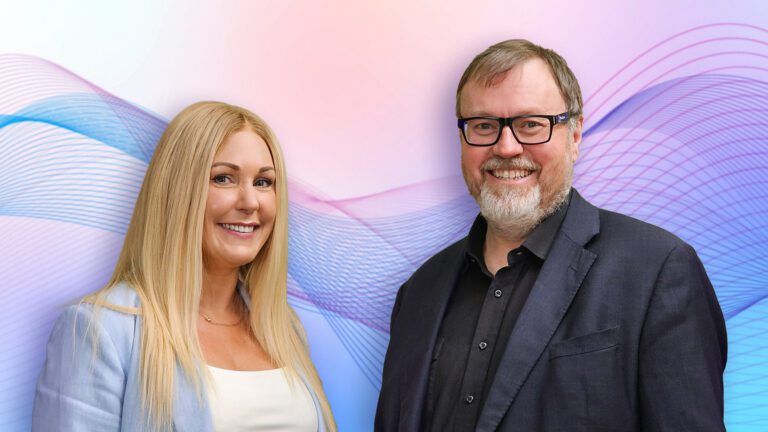
Hear from Paul Spain and Nyssa Waters, founder and CEO of Possibl.ai and rcrt, as they discuss the opportunities and challenges of AI adoption, touching on privacy, ethics, and data sovereignty. Nyssa Waters shares her own journey of launching Possibl.ai and rcrt, offering insider perspectives on how businesses can harness AI for innovation and growth.
Plus, the latest in tech news including:
Special thanks to our show partners: Fortinet, Workday, Spark New Zealand, One New Zealand, 2degrees, PwC New Zealand and Gorilla Technology.
Read the full transcript
Transcript is computer-generated and may contain errors.
Paul Spain:
Greetings and welcome along to the New Zealand Tech Podcast. I’m your host, Paul Spain, and our guest today is Nyssa Waters, founder and chief executive of Possibl.ai. Nyssa is an AI entrepreneur helping organizations think more carefully about how they adopt artificial intelligence, especially around privacy, ethics, intellectual property regulation, and human judgment. She is also part of Revved Summit’s The True Cost of AI session this week, and where they’ll be exploring what responsible AI adoption should look like for New Zealand businesses. Nyssa, welcome along to the show.
Nyssa Waters:
Yay, I’m so excited. This is, this is going to be good fun.
Paul Spain:
Yeah, really looking forward to it. Now, of course, before we jump in, a big thank you to our incredible show partners, to Spark New Zealand, One NZ, 2degrees, Workday, Fortinet, PwC, and Gorilla Technology. Hugely appreciative of their support of the Tech and Innovation ecosystems here and keeping us on air. Well, let’s jump into,, on the New Zealand front. Uh, we just mentioned Revved, so you’re going to be speaking there. So folks that aren’t registered yet, now’s your kind of your last chance to grab a ticket, right?
Nyssa Waters:
Yeah, a massive, massive yell out to everyone at the Revved team. So Francesca and Rochelle and all of their team, it’s going to be such an awesome event. I’m hosting a session with— or David Downes is actually hosting myself and also Alexandra Andov. And we had an amazing pre-discussion last week. I think it’s going to be full of Sovereign, full of AI, full of integration, and a whole lot of, I guess, different discussions around AI and adoption in New Zealand. So the event’s going to be jam-packed full of amazing people, and I know they’ve put a lot of thought into what to do after the event. So it’s not just a day of listening to people, it’s a day of action in New Zealand. So that’s pretty cool.
Paul Spain:
And with how fast things are moving, you know, especially in the AI world, but, you know, this impacts all of business, it’s actually really important that we’re, you know, we’re tapping in, we’re having these discussions, we’re getting face to face, you know, with a whole, you know, variety of people and hearing from, you know, from different folks around what’s happening because, I think it’s often sort of said by people that are the leaders of like, we can’t keep up with what’s going on, right? And so if those who are right in the middle of it aren’t keeping up, then if we’re unplugging and not connecting, then we’re gonna be way, way behind. So it’s really, really important to do what we can to share our learnings with each other and to learn from others.
Nyssa Waters:
I think New Zealand’s always punched above its weight because we work together. And I think that this is our opportunity. So Revved is providing that forum for us to actually all come together because if you combine AI, it actually enables us to scale globally as well. So rather than looking at competition, and I know there was an article about Tall Poppies recently that Rochelle spoke about this, this gives us the ability to maybe band together a lot more and be bigger on the global scale. So let’s band together and really punch above our weight. It’s Kiwis, yeah.
Paul Spain:
Now Rocket Lab has secured their largest ever launch contract worth about $450 million New Zealand with the US Space Force to support defence, missile defence testing. The agreement includes at least a dozen suborbital launches, and we’ll see Rocket Lab establish a new launch site in Alaska. So that sort of strengthens their, their position there in the US from a national security space operations perspective. And yeah, that, that those launches, there’s a potential for that to increase by another half, half a dozen launches up to 18. And yeah, the, the majority of those launches are going to be using what is the Pacific Space Force spaceport complex in Kodiak, Alaska. And that then becomes effectively a new place that they’re able to launch from. And yeah, interesting just to see how quickly that Rocket Lab are accelerating as a business. Of course, there’s ups and downs there for those who are investing because of how the investment world works.
Paul Spain:
But, you know, these are all, you know, positive things for certainly that perspective of growth when it comes to Rocket Lab. I think there will always be some that will sort of push back on anything sort of defence-based.
Nyssa Waters:
Mm-hmm.
Paul Spain:
And look, you know, that’s, you know, somewhat understandable, but it’s not like that this is about you know, outward attacking. This is for, you know, US to be able to, you know, defend their own country.
Nyssa Waters:
Yeah, well, this is again a core story around Kiwis punching above their weight, but this also comes down to where our strengths lie, and neutrality is one of them, right? So although we are at the other side of the world, it allows us to have a little bit more of a Switzerland approach down here in the South Pacific and New Zealand. But having sort of And that approach to really, well, provide competitive tension in this particular climate also allows other countries to have that scale. So it provides a lot more neutrality around the world, I think, which is really exciting.
Paul Spain:
Yeah, and we’ve got the European side of Rocket Lab, you know, as well now with, you know, with their recent acquisition. So, you know, they’re, you know, possibly the, the most global from some perspectives of the rocket and space companies and really, really building a kind of end-to-end type offering there. So yeah, it’ll be fascinating to see how that plays out in terms of winning contracts on the EU side of things. Also in the news locally, EFTPOS New Zealand is rolling out new biometric payment terminals that could allow shoppers to pay using their face or palm instead of a card or phone. The technology aims to streamline, also streamline age verification and loyalty programs, potentially reducing checkout times and improving customer convenience is sort of touted as one of the benefits there. I think putting on my technologist hat, this, you know, it sounds really, really cool, but there is that sort of flip side to hold on, biometric data that’s not stored completely locked down in your device, it’s going to be stored centrally somewhere. And we know kind of historically that organizations, you know, and governments aren’t that great when it, when it comes to guaranteeing security of, of data. And so, yeah, there’s that concern when it comes to biometrics, especially once, once you lose your biometrics, you can’t get a new face, new fingerprint, handprint, etc.
Paul Spain:
That’s That’s gone for good, right?
Nyssa Waters:
We’ll have chips soon, so it won’t matter. No, no, I agree with you there. It’s kind of sometimes we’re jumping ahead. So we’re running before we can actually crawl here. And we’ve got data legislation that is pretty minimalistic at best. So when we’re talking about data security, really we’ve got a pretty minimal legislation there to be able to support it. So if we’ve got private companies talking about biometrics and then freeing access to that without any form of limitation or challenge towards how that is stored. And then also digital identity being thrown into this as well.
Paul Spain:
Mm.
Nyssa Waters:
And sovereign data, owning your own data, and what does that mean? So there’s a whole lot of different subjects here that once you go and throw it into the wild, like EFTPOS, people will use it because of convenience without understanding those risks. And I don’t think we’re doing a great job here in New Zealand at understanding the risks around data sovereignty, around AI sovereignty, and all of these start to come into bear.
Paul Spain:
Yeah, and look, it’s— they’re challenging subjects because, you know, on the outside it just looks, you know, good and easy. And, you know, we haven’t even really had that conversation around, you know, to a deep degree. I mean, it obviously gets some coverage, but, you know, biometrics at airports around the world, and I know, you know, some people are super uncomfortable about the fact that whether you you go into the US and, you know, there’s, there’s this level of, oh, okay, so they’ve got my biometrics. And we know in the US that they’ve, you know, they’ve previously had issues with, with data. I think it was, you know, one of the, one of the borders where they were doing license plate scanning.
Nyssa Waters:
Yeah.
Paul Spain:
And then that data ended up, you know, they were using a private company to do that. The data ended up getting out there. So, you know, we’re just increasing these risks if we You know, make this something that is just a normal option in society. On the flip side, you could say, well, everybody can choose for themselves.
Nyssa Waters:
Yeah.
Paul Spain:
And, you know, I think there’s a reasonable aspect to that, but we do need to get the legislation right around it and we need to make sure folks are really informed.
Nyssa Waters:
So it’s funny, we kind of— years ago we were talking about paddock to plate, right? and that provenance of food being, being a big one. But your data, you, you really don’t know where your data is going at the moment, right? Um, almost everything is passing through about 5 different funnels. Um, people are using different SaaS applications on top of applications on top of applications. Everything’s got different clouds. So,, where it comes to being able to share that information or share your biometrics, I would see people kind of having less of a reluctance towards it. for EFTPOS reasons than in passport control, because it’s less obvious, but it’s actually much more risky. So it, like, I think about some of the people I know that have reluctance when you go into the States to do your fingerprint scanning, that will probably use it in New Zealand in EFTPOS terminals, because it’s about ease of use and it’s, and you kind of put less thought behind it. Yeah, very odd.
Paul Spain:
Onto sort of global news, US regulators have cleared the way for some autonomous robotaxis. to operate without steering wheels. So this is quite a major shift as we move into a fully driverless kind of world, right, where that’s actually possible. Amazon-owned Zoox has received approval to charge passengers for rides whilst regulators are also considering rules to eliminate brake pedals too.
Nyssa Waters:
Wow.
Paul Spain:
Yeah, fascinating time. Zoox have been around for a while. We’ve talked about them in the past. They’ve been conducting free public rides in Las Vegas and San Francisco. And yeah, there’s, there’s, I guess, a whole lot of movement there. I think initially they’re going to be limited to deploying 2,500 vehicles without steering wheels over 2 years, but this is just this sort of, you know, slow move from a world where we all drive to a world where, you know, autonomy is very much the norm. And it seems quite natural, doesn’t it, to get rid of the steering wheel, to get rid of—
Nyssa Waters:
Well, no one’s going to use it anyway.
Paul Spain:
Eventually, right? Yeah. But what about, I don’t know, you know, do you need to have that there for an interim period? period. And I guess we, we kind of have done to date with most of the driverless vehicles. If you get in a Waymo in the States, you know, yes, there’s nobody driving, you know, physically in terms of a person, but you see the steering wheel moving and, and so on.
Nyssa Waters:
What are we going to film if there’s no steering wheel? That’s what we’re all getting excited about, jumping in the Waymo and filming it, right? I’ve tried to get in a Zoox so many times, but because I’m on the Google Play Store in New Zealand, it won’t let me download the darn application. So. Yeah, common issue. Yeah, but this is a fascinating one around, I guess, putting our human way of doing things into a digital world, right? We are having to adjust the way that we’ve always done things. We still are driving in a human world though, and that’s kind of the challenging aspect. There are still humans around, there’s still other vehicles that aren’t digital. I think it would be a much easier one to do if it was just a city of you know, driverless cars potentially, that would work. But yeah, there’s no way that anyone could intervene if there was a safety incident.
Nyssa Waters:
And I guess that’s what everyone’s concerned about. But then you also go, if you’re sitting next to it, would you intervene anyway? And probably not is going to be the answer.
Paul Spain:
Yeah, I guess they probably get towed from time to time. But, you know, other than that, yeah, I’m not sure how often—
Nyssa Waters:
Relevant.
Paul Spain:
They need someone to actually, you know, jump in and drive. Also on, I guess, on sort of the robotic world, the US FCC, the Federal Communications Commission, has confirmed that its new restrictions on foreign-produced advanced robotic devices, as they call them, extends beyond human robots. Hmm. To include many robot vacuums. So effectively, the US is banning these internationally made robot vacuums, which largely come from China these days. Apparently existing products that people already own will remain unaffected, but future imported models may quite likely face major barriers to entering the US market. due to national security concerns. You know, I understand, you know, what’s, what’s happening here.
Paul Spain:
I guess there’s a whole bunch of perspective. But if we look at, yeah, most of the robot vacuum brands that, you know, they’re tending to come out of, out of China. So you’ve got this sort of geopolitical concerns. You’ve got those privacy concerns because a lot of them have Generally, they’ve got some sort of way of navigating which tends to lean towards a camera or, you know, some sort of, you know, LiDAR type capability. And both of those probably create some significant privacy concerns for, for the US. Right. And this is, I guess this is, this is the, the reality where especially Chinese companies cannot withhold data from, from the government. So the government can at any time, you know, demand whatever information, and that has to be, you know, given up, you know, to, to, to the regime.
Paul Spain:
Whereas in the US, you know, I think there’s traditionally been a, you know, some stuff that, that goes behind the scenes.
Nyssa Waters:
Mm-hmm.
Paul Spain:
But we’ve certainly had a lot of cases where, you know, the big tech giants push back on, on governments pushing for, for data. You know, both imperfect scenarios, shall we say. But you can understand that there are some battle lines now being drawn.
Nyssa Waters:
I don’t know. I feel like this is actually less about the technology and more about industry and business, because I feel like sort of my understanding of the technology that this could be quite easily solved, that it could be on-device memory or it could be— there are other ways of being able to solve this problem than literally banning a country’s supply, right? And throttling innovation is the other aspect of it. Because I use my robot vacuum every day. I’ve got a husky wolfhound and she molts like mad. And I couldn’t live without it. But what does that mean? That means, okay, you’re gonna have to have a US-centered vacuum cleaner, which means more factories. So it drives towards that bigger sort of political goal.
Paul Spain:
Definitely part of the picture, isn’t it?
Nyssa Waters:
Yeah. Because I just think like there are other ways to solve this problem. than banning Chinese robots, right? So, and then that also goes to why don’t I have the choice to be able to decide, you know, what I do with my data? And potentially that’s again, why is the boss telling me what I can do with my data? And yeah, perhaps those are two really big, strong political conversations to have and ones that we’re seeing in a number of different areas right now.
Paul Spain:
Yeah. And then I saw something come through around SpaceX maybe merging Tesla in. And if that were to happen, on the table that Tesla would exit the Chinese market and stop making vehicles in China, which has been, you know, their leading facility from a production standpoint. It’s where all Teslas Yeah. For the New Zealand market come from.
Nyssa Waters:
Wow.
Paul Spain:
But if the size and scale and the financial, you know, whatever the motivations were there, that is something that maybe could happen. Now, I don’t know whether it’s a one in a million chance or whether it’s a big chance of that happening, but we’ve certainly seen, you know, this merging of businesses when it comes to the things that Musk is involved in. And, you know, in the past it was, you know, Tesla, the vehicle business, with the solar business, they merged together. Obviously, we’ve seen xAI now, you know, merge in with SpaceX and become SpaceX AI. So it’s certainly not out of the question of that coming together. However, that, you know, for varying reasons might not, that sort of, yeah, scenario might not be compatible with having a base in China, which would be crazy to think about.
Nyssa Waters:
You’ve gotta also question this aspect of physical AI, right? And the fact that the next frontier really does come into robotics and physical AI and world models. So you’ve gotta question sort of some of these things coming up in some of these conversations at a higher agenda around, what does that play into around warfare, around, you know, owning that market of AI and what that means for the world is kind of a pretty, pretty big meaty one because you start looking at these, these news articles at the front and then you look behind the scenes and you go, okay, you can see why these things are actually starting to be raised.
Paul Spain:
Mm-hmm. We’re at a very interesting time in history.
Nyssa Waters:
We are.
Paul Spain:
So, so many Fascinating topics this week. Uh, another one, it’s being questioned with, is Huawei too expensive to replace in European Union? So a telecom industry report commissioned through the GSMA,, argues that removing Huawei equipment from European mobile networks could cost in the $30 to $40 billion euro range, far more than, you know, what was, what was initial European Union estimates. And this debate’s kind of coming as Brussels is pushing for tougher rules on, you know, what are considered high-risk vendors such as Huawei out of China, and really citing sort of national security concerns around them and other Chinese suppliers. So yeah, really fascinating time. Now, understand Huawei are one of the key contributors to GSMA, so I don’t know whether that, you know, tilts the guidance of the report that they’ve commissioned. But, you know, I think it’s fair to say, you know, that Huawei have had absolute, you know, top-notch, you know, cell network capabilities. Obviously, you know, 2Degrees were really, you know, a key customer of theirs.
Nyssa Waters:
Yeah.
Paul Spain:
Here in New Zealand and, you know, really built everything on them for, you know, a number of years. And yeah, leaving behind that type of investment is not an easy thing to do.
Nyssa Waters:
But again, I feel like this is going to be the topic of our podcast today. It’s almost like sovereignty versus innovation.
Paul Spain:
Mm-hmm.
Nyssa Waters:
So, you know, what GSMA is arguing there is that there’s a cost and there’s probably an innovation challenge that comes behind it because we’re going to need bigger and stronger mobile networks and data centres and infrastructure to be able to support AI. But then you are effectively throttling that innovation curve that comes through from different countries’ technology waves. So I’m not sure whether it’s about national security or sovereignty, or I guess we have the glory of being at the bottom of the earth and living in this blessed place. But again, I feel like there’s other ways that you could solve these problems than kind of going, okay, it’s a high-risk Chinese vendor.
Paul Spain:
Yeah.
Nyssa Waters:
you know, are there other ways of trusting each other, which I feel like we did start to do. And now it’s kind of going back to this kind of wild world of AI causing a whole lot of these conversations to come up.
Paul Spain:
Yeah. Yeah. I mean, I think it’s good that there is actually significant, you know, competition, you know, within this space. So, yeah, I don’t think it’s necessarily a, you know, a big blocker. on innovation, if one vendor and the ZTE as well, or ZTE as we would probably say in New Zealand. I always think of them as ZTE. But yeah, and so yeah, I mean, it is a time we’ll sort of see how that plays out, but it’s very hard to rip out existing technology that, you know, sits at the core of—
Nyssa Waters:
Sorry guys, you’re going back to 3G.
Paul Spain:
Communications, right?
Nyssa Waters:
No more 5G for you. All over.
Paul Spain:
Just imagine it. Imagine if we had to go back to 3G and that was, that was all that was available. We’re just so used to our good, fast mobile networks.
Nyssa Waters:
Yeah.
Paul Spain:
Actually, I should—
Nyssa Waters:
And we’ve got a dropout.
Paul Spain:
Well, I should mention on that basis, there are a bunch of Tesla drivers in New Zealand who are getting increasingly frustrated with Tesla because since the 3G switch-off, even though they’ve got vehicles with 4G, the 4G connectivity in a lot of vehicles is not working properly. And so we’re seeing significant areas where it just drops out. Everything’s working, you’re consuming your content, you’re getting the latest, you know, navigation with You know, with traffic updates and then it just drops out and you might not have any connectivity. You can reboot, you can do whatever.
Nyssa Waters:
Damn, I have to drive my car all of a sudden?
Paul Spain:
DIY. You’ve got to figure it out yourself. Go back to Google Maps if you want the traffic.
Nyssa Waters:
See, this is why we need a steering wheel.
Paul Spain:
Go back to your phone to get your music and your content. So—
Nyssa Waters:
I don’t have a Tesla, but I would absolutely love one. And again, this is This is one of those things where you go, have we actually thought about all of those sort of drawbacks? And again, we go back to the digital identity aspect of it. Have we thought about if we turn off 3G or if we turn off 4G, what that actually means to everything else that’s out there? And I’ve been through those programs. I used to work in telco. We do think through it, but only to the extent of what you have knowledge of.
Paul Spain:
Yeah.
Nyssa Waters:
Poor Tesla drivers. Sorry, guys.
Paul Spain:
Oh, the pain. Uh, a couple of other,, ones to jump into. Now, we’ve talked about,, OpenAI,, accidentally,,, hacking Hugging Face. Well, Anthropic says it’s,, that Claude,, has effectively broken into 3 organizations during cybersecurity testing after apparently a configuration error accidentally provided internet access. We’ve also heard from OpenAI that there was more than just the initial instance that they talked about. So yeah, just like it’s just such a crazy time to be alive in terms of, you know, how these things are operating.
Nyssa Waters:
Yeah.
Paul Spain:
A, just seeing that this is possible, but then it’s like, well, actually, what are the appropriate guardrails that should be around AI systems? And is it good enough that AI, you know, companies here, you know, Anthropic and OpenAI are saying, oh, well, we can’t effectively actually sandbox our AIs properly during testing, and they are able to get out and and cause havoc like this. You know, it would be very interesting if they, you know, they were fined for what they’ve done or were, you know, fully held to account.
Nyssa Waters:
Yeah.
Paul Spain:
Because what concerns me, these might be sort of small instances, but if you kind of joined up the dots to what is becoming possible with AI and then we, you know, allow these behemoth companies to just, you know, go rogue. Uh, I’m not excited about what the potentials are, having seen a few science fiction movies in years gone by.
Nyssa Waters:
Well, it’s just like, I’ve been in AI for a while now, and like even 4 years ago, we were sort of lobbying that the governments need to take this seriously. And employ, like they should have people employed that are smarter than some of these lab engineers and researchers. Because ultimately what we’re starting to see is a lot of the people making legislation don’t actually even understand the technology. So you don’t understand the flow-on effects of this. And if we actually think that these labs are the only ones doing this, we’re starting to see open weight models and fine-tuned smaller models become just as effective.
Paul Spain:
Yeah.
Nyssa Waters:
And, you know, you don’t necessarily need the big inference machines that you used to need. So AI is in some ways becoming much more accessible to almost anyone. So I think this moves on to our next subject, but what does this actually mean in that security breach outside of the big labs? Because I’m less concerned about what OpenAI and Anthropic are doing because— Of course it’s going to get out of their sandbox. They need it to because that’s part of testing, right? You’re going to have to test it in the wild before you release it. That’s ultimately what it needs to be able to do. But it’s everyone else or those other labs or those other dark web labs. I’m not sure what you call them in this day and age.
Paul Spain:
Yeah, well, when you’ve got the open source capabilities becoming available to anyone, right, then there’s some fascinating possibilities.
Nyssa Waters:
Yeah, well, you can remove the guardrails. And this is a reality. But what we’re seeing in these guys is they are commercializing it for, I guess, humans, whereas other players aren’t acting in the same good faith. Whether these guys are or not is another question.
Paul Spain:
Yeah.
Nyssa Waters:
But with open weight models becoming almost as powerful and different datasets being available in different parts of the world as well, it’s gonna become a really, really interesting place. But going back to that subject around legislation, Like, this is almost— this is potentially risking humanity. And Dario from Anthropic wrote a big paper about this last week. We need to come together and agree some, like, simple basics here, guys. Like, everyone needs to agree this is what we should and shouldn’t do with AI.
Paul Spain:
People never agreed necessarily.
Nyssa Waters:
We’re not going to do it, are we?
Paul Spain:
That’s the challenge.
Nyssa Waters:
Well, this is what I’m like. This is maybe our point in humanity where we’ve kind of got to go, hey, This is our chance to either survive or not. Fingers crossed we do, right?
Paul Spain:
I’m not sure listeners are going to be— are going to have too much confidence in our future now.
Nyssa Waters:
No, it’s great. No, I actually, I do think that ultimately there are so many positives behind this. We’ve just got to work together to go, hey, governments, This is actually really serious. There’s so much potential, so much opportunity to improve humanity. Like we were talking about The Economist and Elon Musk sort of talking about unlimited, what was it? Unlimited high income. So there is that upside. We’ve gotta get it right though. We’ve gotta take it seriously.
Paul Spain:
Well, I think the unlimited high income may only get as far as Musk. I’m not sure if it gets—
Nyssa Waters:
Come on, give it to us.
Paul Spain:
Like, he’s very capable at lifting his own income. As to, yeah, how that plays out for sort of broader humanity, I think, look, it’s good that we should be, and it’s appropriate we should be looking at, you know, how do we leverage this for the good of everyone?
Nyssa Waters:
Yeah.
Paul Spain:
However, I’m not sure that we’ve necessarily seen the mechanisms that will make this something that’s truly democratized.
Nyssa Waters:
I like this theory though. Like, I do.
Paul Spain:
Yeah.
Nyssa Waters:
If we do this right, if we all agree and we don’t do bad things— AI, no, don’t be naughty. Geoffrey Hinton talks about this, make it a mother because it’s going to do the right thing for humanity. But it’s just a system prompt away ultimately. And, you know, if we do have it doing all the right things, maybe we could make this just such more— such a more positive way of doing things. Unlimited services, unlimited food because the robots are generating things. I might actually be able to sit on a beach for a few days. That’d be nice.
Paul Spain:
Well, that’s obviously what we, you know, we have to do is to get the best out of the technology. We minimise those bad sides, right?
Nyssa Waters:
Yeah.
Paul Spain:
One last news item I wanted to tap into, a security flaw in March 2021 Coldcard firmware release. So this is a, you know, cold wallet technology for storing your crypto, your Bitcoin. So this security flaw has led to a large-scale Bitcoin wallet compromise with attackers exploiting weak key generation to drain funds from, I think at last count, something like 4,500 Bitcoin wallets.
Nyssa Waters:
Yeah.
Paul Spain:
And this has taken out over $1,300 Bitcoin that have effectively not quite evaporated. They’ve moved into a wallet and are sitting there, something around $150-odd million New Zealand dollar kind of equivalent in terms of Bitcoin that’s been drained. Nissi, you’ve been following this one quite closely. What are your thoughts and observations on on what’s going on here?
Nyssa Waters:
We’ve kind of touched a little bit already on, on some of these subjects,, but it is a really fascinating,, story where, you know, everyone believes that these, these hard wallets are the most secure. And even you and I were talking about sort of digital identity on the device, therefore it’s more secure. Um, software’s software, firmware’s firmware. They are programmed by someone at a point in time, and they do have failures. And ultimately, when we’re talking about models being highly, highly capable now, if left to their own devices or under bad actors, you know, these sort of challenges can be exploited. So clearly, this particular one went from being a— I think it was 40— sorry, usually it’s like 128 security—
Paul Spain:
Yeah.
Nyssa Waters:
security and it went down to 40. Don’t quote me on those numbers, but,, that’s basically meaning that you can guess the password and not even have to be connected to the digital world to be able to exploit these vulnerabilities. So we’re effectively talking about AI being used en masse to be able to identify and then exploit. And I do have a little bit of an opinion on this one going, okay, this is really interesting that the money hasn’t moved. And is this just to showcase what the likes of Openweight Models could potentially do? Is this a hacker that’s trying to make a point?
Paul Spain:
So do you think they’re gonna refund everybody’s Bitcoins back tomorrow? Is this what you’re hoping for?
Nyssa Waters:
Maybe they’ll democratise it.
Paul Spain:
All right, share it around.
Nyssa Waters:
Look at me and my positive view of the world.
Paul Spain:
Robin Hood. Yes!
Nyssa Waters:
Wouldn’t that be great? You never know.
Paul Spain:
So next we’re gonna go online tomorrow and we’ll see these things being shared around social media from, usually it’s from someone like Elon Musk, which says, I’m giving away a load of Bitcoin. Just give me—
Nyssa Waters:
They’re gonna be Oprah, right? Like it’ll be Donald Trump and Elon coming out next week and going, guys, we’re going to democratise and give high basal income and it’s gonna be amazing.
Paul Spain:
Yeah, a small warning here to listeners. If you get one of those messages on social media, as I did, Recently from someone I know quite well. Usually that means that somebody’s social media has been compromised. And no, do not, you know, hand over the keys to your crypto wallet, please.
Nyssa Waters:
Isn’t it fascinating though, because it is a trust. It’s all about trust and what we’re actually trusting. And again, You know, can you even trust your friend sending you a message? We all know that’s a no, or an email that’s coming into your inbox with an attachment or a link off to something.
Paul Spain:
We should all know.
Nyssa Waters:
We should all know. And it’s a challenge for even— I’ve been caught with phishing scams before and gone, oh. But again, we’re starting to see these really strong, secure— like, again, the most secure way of being able to look after your own cryptocurrency in a world of technology experts is being hacked. And that’s a really fascinating one to actually wake up to, to go, okay.
Paul Spain:
Yeah, folks who thought that they did exactly the right thing by getting a hardware wallet. And then, you know, what this bug did was it used the, the, the software was effectively using very predictable passwords. You know, it wasn’t, it wasn’t fully random as it was supposed to be. Yeah. And so that’s what effectively created these, you know, predictable numbers. So—
Nyssa Waters:
And it’s only going to get bigger. It’s only going to get stronger. So, you know, we’re looking at quantum and we’re looking at how it solves problems. There’s always an upside and a downside to the technology. So again, legislation and the technology experts need to be at the core of this because it can either be Significantly positive or negative, and we need to understand it first.
Paul Spain:
Yeah. Yeah. So keen to hear about your work, Nyssa, and how you got into this world of AI, because you’ve been involved now for a good number of years. Can you walk us through a little bit of the, you know, the background and what you’ve been doing and, you know, how you’ve landed up with Possibl AI?
Nyssa Waters:
Yeah, and we’ve actually got another company called RCRT. So I hate talking about myself, so I much prefer talking about like all the nerdy stuff, but I’ll do a little bit of a dive. So I did 10 years at Spark NZ, like every Kiwi has to, and kind of earned my stripes there and going through those digital waves. So sort of starting out in telco, moving into mobiles, mobile apps. then cloud, what was next? Infrastructure. And then into AI. So found myself over in Telstra and then at Google and spent a few years at Google and I really threw myself into the world of AI when I was there. Got to spend some amazing time over in the Bay and really fell in love with the likes of the Google Brain Initiative, Google Glasses back then.
Nyssa Waters:
Um, and I’ve still got like 5 pairs of Google Glasses sitting at home. Um, I think my team want to reprogram them and use them for something, but it just really astounded me how we can move so quickly and help so many people with this technology. Um, so innovation’s kind of always been my favorite thing to do, and solving problems. Um, and I guess that’s what AI is about. It’s actually about Hey, how do I solve this? Um, so being at Google, I kind of had to sell and talk about Google, right? And I got a bit kind of bored of that. Um, but I was talking to a number of the CTOs that I work with and they were really confused. Um, this was kind of in the kickoff of AI about 3 years ago going, okay, I don’t know what to do, who to believe, what, you know, 3 years ago it was people were just putting question and answer into ChatGPT and people were grappling with it.
Paul Spain:
Yeah.
Nyssa Waters:
And people still are, to be fair. So we started the company 3 years ago to effectively help businesses embrace AI in an agnostic fashion.
Paul Spain:
Mm-hmm.
Nyssa Waters:
Most of the technology vendors were very clearly Google, Microsoft, AWS. And we didn’t have really the labs that were showing much interest down this corner of the earth. back then. They’re starting to pick up pace now. And it’s been a really, really wild journey. We’ve kind of started in New Zealand, moved into doing quite a lot of work in Australia, and now we’re doing a bit of work with the United States and Dubai. And ultimately, the way we’re looking at things is, is being completely outcome-centric. So, okay, let’s rewrite the rules.
Paul Spain:
Yeah.
Nyssa Waters:
Let’s not look at your workflows, how they exist today. Let’s look at where we want to go. Now, that could be new products or it could be business processes.
Paul Spain:
Mm.
Nyssa Waters:
But I think that particularly in New Zealand, we’ve got a lot we can do that we’re not quite embracing yet. So, I really wanna push the boundaries of New Zealand businesses to step up and embrace the technology. And that barrier of entry is reducing quite a lot, particularly over the last few months. So,, you don’t need to have a big monolithic sort of enterprise environment to embrace AI. Basically, the smaller companies are now becoming much more agile and competitive. So yeah, that’s a little bit about,, the services side of the business.
Paul Spain:
Cool, cool. And,, the, the things that you’re sort of seeing that are working, you know, that are really working the, the best that you’ve been you know, that really stand out to you? What could you— what can you share?
Nyssa Waters:
Yeah, it’s really fascinating. We kind of— we work with the gamut of startups all the way through to enterprises. And I think the approach needs to be different each and every customer, but we’re starting to see it almost morph and change. So there was this really strong reliance on Microsoft as a basic technology for so many years, and we’re starting to see a massive pivot. And that pivot isn’t just Microsoft to Google in terms of collaboration tooling. It’s Claude on top of Microsoft and/or a whole lot of connected SaaS applications. And you know, this is the 800th episode of this podcast, I hear today. So you’ve been around—
Paul Spain:
That’s funny.
Nyssa Waters:
You’ve been around for a little while. But remember the years where ERPs were kind of promised as being this, all-seeing, all-knowing center of a business intelligence, right?
Paul Spain:
Yeah.
Nyssa Waters:
I feel like we’re now sort of coming up to this actual,,, truth of, of what we can get in terms of a business system and being able to set up your, I guess, operating system of your business, your ethics, your company brand. Um, so what we’re seeing a lot of is setting up,, Claude in particular, Microsoft a little bit less, As far as an operating system for businesses is concerned. I’m a little bit biased in some ways because we do actually own another company which we believe will be the next iteration of this, which is called RCRT, which stands for Right Context, Right Time. And the intention there is to create the infrastructure of the future agentic world. So how we can actually distill context in a business environment and then build apps on top of that rather than at the moment where we have apps and we connect to our context. So it’s a little bit of a unique way of looking at data architecture.
Paul Spain:
So how would that make life different for those that are using your tech versus kind of the existing sort of options that are in the market and having their AI platforms kind of talk to those existing you know, the existing infrastructure, the existing applications?
Nyssa Waters:
Yeah, I’m going to use myself as a really good example, or our business as a good example. At the moment in our business, or about 12 months ago before we had our system or our infrastructure, we had 42 different applications that we were subscribed to in different ways. Actually, I think we’ve got more. I was over the weekend thinking about a couple more that I hadn’t even— like Riverside FM is a good example of that. And all of those have different context. They all have different views of my customer. They all have different backend systems. They all have different cloud providers.
Nyssa Waters:
And you start thinking about all of the different security aspects that also sit behind this and all of the different AI aspects that sit behind it. So I’ve got 42 versions of my company in these 42 different platforms. So there’s a bit of a challenge in that, right? Especially when we’re looking down sort of the article of all the different things that we’ve just discussed.
Paul Spain:
Yeah.
Nyssa Waters:
So where we aim to take this is have one version of truth where you build the SaaS on top of it. So similar to, I guess, where ERP was back in, back in the day, but not accessible to smaller businesses, being able to bring that to smaller businesses. So the example and the first cab off the rank for me was I want— I’m not paying for Jira anymore. Like, this is ridiculous. When you’ve got a ton of engineers and you’re seeing them update cases, there’s a much better way of doing that. So we’ve completely replaced Jira, we’ve completely replaced HubSpot, we’re currently looking at Xero replacements. Um, there’s a marketing application we’re also replacing, all within our own context. So you’ve effectively got your context layer,, obviously your cloud layer, your context layer, and then you’ve got your SaaS applications, which aren’t SaaS because they’re yours, they’re owned by you, and they’re sovereign to you.
Nyssa Waters:
So then you don’t have data going from one to the other. So you don’t have these connectors constantly going all over the place with your data, i.e., creating security challenges. So that’s kind of what we’ve been focused on on the other side of the business. So that’s kind of our product side. And then on the services side, we’re starting to see a similar but a different perspective in terms of kind of that tool use and MCP connectors and just connecting your business up to one source of truth to be that pane of glass. So a different way of approaching it, more accessible right now. But we believe that— and actually the Claude or Anthropic, the founder of Claude Code, I think it was, is talking about roles of the future in technology. And I think it was 5 archetypes, but they’re more around rather than writing code and doing things like that, it’s more around understanding the business.
Nyssa Waters:
and understanding what we need to get out of the business. I know for a fact that engineers aren’t very good at understanding context of business users because—
Paul Spain:
In general?
Nyssa Waters:
In general. I was talking to my partner about this over the weekend and going, if it was up to my engineers to build something, everything would be green font on a black screen, right? So they can sit in a dark room and—
Paul Spain:
Oh, that’s gonna hurt some engineers, come on.
Nyssa Waters:
No, but when you, when you haven’t lived the truth, you don’t have the context of it, right? So I don’t understand what an engineer’s doing all day because that’s, that’s not my job.
Paul Spain:
Yeah, we each see things from our own perspective and where we sit and we don’t all see everything, right?
Nyssa Waters:
Yeah, correct. There’s not even a possibility of doing that. Okay, so there might be some Elon Musk geniuses out there that might think they can, but we all have our way of doing things. We all have our context. We all have our neurodivergency, we all have our intelligence levels. So why can’t our applications be designed around how we work and what we need to do and how we need to do our role?
Paul Spain:
Mm.
Nyssa Waters:
So I’m kind of building this methodology at the moment around purpose as opposed to tasks and jobs. So in my team, no one has a job title anymore. We have a purpose. And we all work together to get that purpose done. Now we kind of do still have job titles, but I’m gonna pretend they don’t exist. Chief Executive Officer. Yeah, no. But it is more around how do I understand this thing that I need to do today and how can I get access to the data that I need to be able to actually get that job done?
Paul Spain:
Mm-hmm.
Nyssa Waters:
So I’ve made a couple of bets with a couple of politicians and tech, No, it was VCs around, do you think you’ll use Excel in 2 years? And a lot of people say yes. I’m going to ask you the question, do you think you’ll be using Excel in 2 years?
Paul Spain:
Oh, that’s a great question. I have to look at, yeah, how and where, what I use Excel for. Possibly not. I think that, I mean, this is kind of part of what I look at with all of the tools now is Do you still, do you still need this traditional tool when from an AI perspective you can just tell it what you’re trying to achieve and it will figure out the right way to do it?
Nyssa Waters:
Yeah.
Paul Spain:
Now, at the moment, I think we, we’re used to looking at things in certain ways. So a spreadsheet has, has some advantages in terms of how we’re used to operating. And so you want to do certain thing, then AI can work and put that into a spreadsheet, generate outputs or what have you.
Nyssa Waters:
Yeah.
Paul Spain:
But I mean, 2 years from now with the pace that things are moving at, for me, I would say maybe, maybe not. I think for the sort of the broader population, we don’t all move maybe at the same pace. So I can imagine that there will be people that will have kicked to the curb a whole bunch of software that they’re using today. This was something we were looking at recently to do with what do you need in a particular application? Let’s say it’s a CRM. And you mentioned HubSpot before.
Nyssa Waters:
Yep.
Paul Spain:
broadly, you know, capable and powerful CRM. But some, and some people will be using their, their AI as the front end to talk to the CRM and to do things. So just like they were in the past, they would talk to a person and, and say, hey, can you, you know, update the CRM with XYZ? They’re just putting that in and having the chat. And then in the background, HubSpot is making those changes.
Nyssa Waters:
Yeah.
Paul Spain:
Then the question becomes, well, do you really need HubSpot Or do you just need somewhere safe and secure where, you know, where that data is going to be domiciled? Actually, the CRM is capable of, you know, maybe, and this is kind of the bit of, well, what else does CRM do for us? Oh, we get data enrichment.
Nyssa Waters:
Yeah.
Paul Spain:
We, you know, we send out these, you know, marketing communications. We have website content that gets updated and so on. And when you kind of break it down to those sorts of things like—
Nyssa Waters:
They’re all just data primitives though, aren’t they?
Paul Spain:
Yeah, couldn’t all this just be handled and run by the AI? So it is fascinating, but I think there’s a level of capability that has been built in the past. But there is also the, well, how fast are companies like HubSpot or Xero or others, how fast are they going to be able to get moving. Now we’re in this world where they can develop things leveraging AI and moving a lot faster. Can they, you know, can they truly keep ahead? And I think there is that sort of big debate going on. Do I build my own Xero? Do I, do I use the existing Xero that has boom, boom, boom? And you, you know, you look at all the capabilities like, oh, there’s, there’s a lot in there. And if you’re going to sort of—
Nyssa Waters:
Xero is probably the worst example because there’s a whole lot of legislation that sits behind payments, right? But in saying that—
Paul Spain:
And security and all sorts. sorts of elements that you might not easily be able to replicate. And I wonder how much that will be the case across, you know, other platforms. Like from the outside, look, oh yeah, HubSpot just does this. Yeah. Um, but there’s a fair degree of, of nuance kind of behind the scenes and depending on who you are and what capabilities you need as well.
Nyssa Waters:
Yeah. And look, I think in the past, right, the big issue here has been the adoption curve because it’s actually harder. So if I think about when I first started using Excel, learning how to do pivot tables and VLOOKUPs and all those things was like you’d have to go and do a 2-day course to learn how to do that stuff. But asking a question of what is my budget at today is a very, very different learning curve, right?
Paul Spain:
Yes.
Nyssa Waters:
Um, so it’s kind of allowing us to do things in a more of a humanistic way than a machine-oriented way. So I guess where we’re building to is how do we help our customers kind of go along that journey to have more of a natural access, a just-in-time access to their data, whether that be through our own company or through the likes of Anthropic or ChatGPT or even Microsoft Copilot, to be able to effectively,, very, very quickly get answers to questions and/or compare things and/or build things and/or do things.
Paul Spain:
Mm-hmm.
Nyssa Waters:
Um, so it’s that that knowledge democratization in a much easier way rather than a harder way.
Paul Spain:
Now, in building RCRT, does that create a bit of a problem in that now you’ve got your own kind of product to sell?
Nyssa Waters:
Good question.
Paul Spain:
Like, how do you make that work? And what if what you’ve built there actually AI can sort of build that for, you know, for anyone at the drop of a hat as things kind of keep moving, moving forward. That was kind of the thought in the back of my mind. How do you look at that?
Nyssa Waters:
Yeah, how are we agnostic when we’ve got our own product that competes? I firmly do believe in what you were saying there around the adoption curve, right? So I’m not, not going to pretend that RCRT is at that point in its maturity that I will go out and recommend that to every customer. So it’s a separate company. So although I’m a founder and CEO of both, they both have different purposes to serve, right? We are really spearheading RCIT in terms of this being a global product that we can roll out and can do some amazing, amazing things within particularly SMEs and enterprises. Whereas Possibl AI is in New Zealand, centered, largely New Zealand-centered services company. And for us, it’s about how do we help New Zealand adopt AI as quickly as possible. So I will go whatever path is right for a customer. A lot of the time at the moment, it’s Claude, to be perfectly frank, or it’s Copilot. We’re doing a lot of,, agentic brain builds within Copilot or voice agents on ElevenLabs.
Nyssa Waters:
So for me, I firmly believe in this agnostic approach whilst we have a product.
Paul Spain:
Yeah.
Nyssa Waters:
I think that some, a lot of the time right now, bringing AI to where your data is is actually more important to be able to actually get utilization and connecting the AI up in a way that is actually not just putting AI in your existing workflows, but actually rethinking workflows.
Paul Spain:
Yeah, yeah, yeah, yeah. That’s good, that’s good. Yeah, I mean, I think it’s great to, yeah, have that framed and sort of see how that fits together. How do you take that out to a global market when there are so many new things coming through, right? Like how do you kind of get attention amongst the plethora of kind of AI-type software and platforms sort of being launched? And, you know, they’re there to leverage and to give people a step up and achieve something that would, you know, likely be a whole lot harder without it. But it’s like there’s just, there’s so many new things coming through.
Nyssa Waters:
And to be clear, we, with RCRT, we’re not building models. We have full agnostic use of the models. We largely use Vertex and Anthropic models at the moment, I believe. And again, that democratization to the models is a really large core of that because we believe in smaller fine-tuned models for different tasks. We believe in open weight models as well.
Paul Spain:
Yeah.
Nyssa Waters:
And then also the cloud and the sovereignty of your data. So being able to put RCRT within your own data centers or within your own clouds is another aspect that we’re really playing to. So we believe in that ability to own your own ecosystem as opposed to at the moment data being everywhere, don’t know where it is, and the vulnerabilities that exist in that, but also the technical use of it. So knowing how to connect all your context because at the moment that’s being controlled by different companies releasing access to the data that is yours anyway, which is quite phenomenal really when you come to think of it. You know, I can’t get access to all my data in all the different places that it is. And why is that the case? So I guess how do we get it global was, was the core question and a question that I think every founder grapples with.
Paul Spain:
Mm-hmm.
Nyssa Waters:
I’m blessed to have a few mentors here in New Zealand, but also overseas that are helping us. We’re about to do our seed raise, so that’s going to be a unique adventure for me to go on. Um, we’ve obviously got our amazing services company, but this is an existing sort of separate company that we are, we are pushing forward. Um, so marketing is going to be a big one that we need to focus on. We’ve really been focused on the technology on, on that business and,, the IP that is centered around it. So now it’s time to go. We’ve onboarded, I think we’ve got 6 customers on board now, and they are replacing their entire SaaS suites. We’ve got an Australia-wide application launching in the next 2 weeks that will go out to a number of different industries.
Nyssa Waters:
So that’s, that’s exciting. So we’re kind of— we’re there now.
Paul Spain:
Yeah.
Nyssa Waters:
We’re out of, out of, you know, the private world of, of the customers we talk to. And yeah, you can help me, can’t you? Come on, New Zealand. No, cheeky as always.
Paul Spain:
No, I hear you. Now, I guess the other side for, you know, providing services is this is really hard. Like, you know, it seems like, you know, to get in and to make an offering in the market in terms of AI services, you know, even that because it’s all moving so quickly. There’s kind of a mix of, you know, different capabilities that each firm has. And that hasn’t, you know, always, always gone well. You know, being AI, we’re kind of touted as like, hey, this is, you know, this is the exciting, you know, exciting thing. And, you know, I know, you know, you were involved there and it was like, oh, it didn’t, you know, it didn’t end up, you know, ultimately ultimately playing out well? What are the lessons you’ve kind of walked away with from, you know, from that journey?
Nyssa Waters:
Yeah, well, thank you for raising that because I don’t kind of wanna leave that subject unspoken about. Ultimately, we are still doing the things that we set out to do. So whilst the company on the NZX did things differently, we’ve kind of stayed true to our thesis. Everything that we presented to the market back then is still exactly what we’re working towards. So for those that don’t know, we were called Bing Consultants and we were under the Bing AI banner. We, when we took the company back, so my business partners and I, we got rid of all of our shares in Bing AI and took Possible, as it is now known, back. We’re doing exactly what we set out to do, which is working with businesses to transform them with AI.
Paul Spain:
Mm-hmm.
Nyssa Waters:
and building new IP with them. So we’ve built some incredible products with customers so far. We’ve worked with some amazing logos around the country. We just did an awesome launch with Reach NZ to build AI marketing campaigns. So ultimately, from my perspective, it was staying true to your core throughout sort of some of the volatility.
Paul Spain:
Yeah.
Nyssa Waters:
That, you know, a capital market is very, very different to what we were wanting to do, which was very values-focused and very outcome-focused. So yeah, it was a wild ride.
Paul Spain:
Yeah, yeah.
Nyssa Waters:
But we’re, you know, we’re 3 years down the track now. We’ve matured a lot and the markets in AI has matured a lot in that time as well because it was kind of a buzzword 3 years ago. Now it’s real. And I think that how we actually leverage this technology is one of the most important things we can do in our life. Like this is the biggest thing I can do in my life.
Paul Spain:
When you talk to folks who maybe haven’t jumped in sort of deep with AI at this point in time, what is your encouragement to them? Do you think that if folks, aren’t, you know, deeply across AI at this point in time.
Nyssa Waters:
Yeah.
Paul Spain:
That they’ve missed the boat, or because things have actually— are actually night and day different to what they were 12 months ago, 24, 36, 48 months ago. Actually, you can come in now and it’s almost like AI in, you know, mid-late 2026 is completely different from the AI, if you were in deep with AI, you know, 12, 18 months ago,, and you’re still in that sort of place, then, you know, it’s a, it’s a, it’s such a different world. So how do you, how do you tend to sort of, you know, encourage people,, in, into understanding AI?
Nyssa Waters:
I think it’s much of a muchness, right? Um, I was watching an article this morning,, about how engineers that have studied for 5 years in engineering are almost out of date compared to those that have only just started picking up AI. And it’s a— and picking up AI not in traditional education paths. And the reason being is that natural language, humanistic way of actually interacting with AI is so different now than what it was 2 years ago. So Claude Code, for example, I use it. I can’t code. Can you code? You can probably code.
Paul Spain:
I code when I’m stuck. I’m very out of touch with coding, right? It’s not something I’ve really done in my professional career.
Nyssa Waters:
Yeah. My partner, he’s never ever done it either. And he was showing me this application he built to sort of stop himself looking down at his phone. So his phone is black screen if it’s down. So he has to go like that to correct his spine and gamified all of that. So you sit there and you go, you now have the ability to almost do anything that you want to do, provided that you understand the context. So I, I feel like no one’s out of date in the space. Um, jump on in,, and kind of have a play and let your ideas go.
Nyssa Waters:
Um, yeah, it’s, it’s, it’s a really crazy world where I don’t think you need to learn it as much as you just need to do it.
Paul Spain:
Yeah, that’s good. Great advice. Well, We’re out of time. So thank you very much, Nyssa. Great to have you on the New Zealand Tech Podcast. Finally, I know we’ve sort of, you know, been meaning to do this for a while.
Nyssa Waters:
This was awesome.
Paul Spain:
So yeah, thanks so much for joining us. Of course, a big thank you to our show partners, PwC, Fortinet, Workday, One NZ, 2degrees Spark, and Gorilla Technology. If you are listening in to, to this through your audio app, make sure you’re following us on, on YouTube and vice versa. If you’re kind of watching the video but you’re not yet following us on audio platform, now is the time. And always love to hear any feedback. If you’ve got any comments on the show, please get in touch. Nyssa, if folks are wanting to get in touch, what’s the best way to reach you?
Nyssa Waters:
Yeah, so possibl.ai or rcrt.cloud are our two domains. Otherwise, LinkedIn, Love people reaching out to me, but my son would be really upset if I didn’t say one thing, like and subscribe.
Paul Spain:
Oh, I love it. Thanks, Nyssa.