
Halter’s Billion Dollar Rise, 3G Farewell, and Xero’s Next-Gen AI
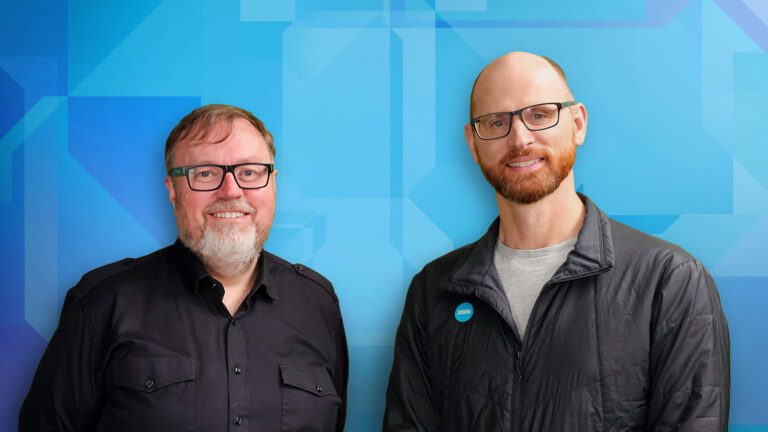
Join host Paul Spain and James Bergin (Xero) as they unpack this week’s tech news, including Halter’s multi-million-dollar funding, NZ Hi-Tech Awards 2026 finalists announced, the end of the 3G era in New Zealand, landmark legal cases against Meta, concerns about privacy with smart glasses, and rising cybersecurity risks. James also shares insights into Xero’s multi-year partnership with Anthropic, aiming to deliver real-time financial intelligence, as well as Xero’s ongoing impact on productivity and innovation across New Zealand.
Read the full transcript
Transcript is computer-generated and may contain errors.
Paul Spain:
Greetings and welcome along to the New Zealand Tech Podcast. I’m your host, Paul Spain. And today we have James Burgin joining us from Xero. How are you, James?
James Bergin:
Paul? I’m great. Thanks very much for having me.
Paul Spain:
Great to have you back on the show. It has been, it’s been a minute. It’s seven or eight, maybe eight years, I think.
James Bergin:
So I was looking back through the archives, I think 2018, I think was the last time I came along and had a chat.
Paul Spain:
Yeah. Well, great to have you back. I don’t know if it was last time, but certainly previously you’ve been at, you’re now at Xero. Tell us a little bit about where you fit into this big wide world of tech and what that role is that you do at Xero.
James Bergin:
Sure, yeah, sure. So at Xero I look after technology research and advocacy, which is, I think I’m in running for one of the longest titles at Xero. It basically means I look at technology, I like to say, beyond the planning horizon. So where are things going out past sort of that three year strategy window where I think a lot of organizations look and what can we do to shape the future that we prefer? And then the advocacy part is I get to spend time talking with accountants and bookkeepers and people in small business all around the world. It’s definitely the highlight of the job and just exploring what they’re doing, the challenges that they’re rising up to and how Xero can help.
Paul Spain:
Fantastic. Well, great to catch up again. Looking forward to delving in. We’ve got some local New Zealand news topics, some global ones and definitely a chance to sort of delve into more of what’s happening, happening in your world. And Xero, of course, very big announcement over the last few days in terms of Xero and Anthropic. So looking forward to delving into that. But before we jump in, big thank you to our show partners. One New Zealand, 2degrees Spark, Workday, Fortinet and Gorilla Technology.
Paul Spain:
Really appreciative of their support that keeps the show going and for their broader contributions to the New Zealand tech and innovation ecosystems. So delving in on the New Zealand front, really the big one over the last few days, and I heard this while I was travelling, Halter have raised another round of venture capital. This time a series E round. $377 million was the number that Halter had mentioned, or US$220 million led by Peter Thiel’s Founders Fund. And valuing halter now at US$2 billion, or depending on which day you look at it, around the $3.5 billion New Zealand level, which is just astounding growth that we’ve seen from Halter. And I think now that puts it very, very high up any sort of rankings of agritech companies around the world. So incredible result there for Craig and the team at Halter.
James Bergin:
Definitely. I mean, that’s such an awesome company as well. And it’s one of those things where I think, I’m sure it’s fashionable for people now to say, you know, I was a fan of Halter before they were cool, you know, before they were a unicorn. I remember seeing them a number of years back in. I think it was like an ice house event. And just being just really blown away about what a great way to take a thing, which is something, you know, New Zealand has been known for, which is amazing agricultural technology. And then really solving a problem that like, is a global problem. Like how do you manage large herds of cattle and other livestock and all the fences that are involved, I was just so impressed with them.
James Bergin:
And so to see them getting this, this round of funding and seeing that kind of valuation is, you know, rewards for some real ingenuity and hard work, no doubt.
Paul Spain:
Yeah, yeah, well, quite, yeah, quite, quite fascinating. And for those that aren’t aware, you know, the main thing that Halter are known for is their smart collar that is basically worn by the cattle. And this enables a number of things. But, you know, one of the key ones is virtual fencing so that you’re able to avoid the costs and the challenges of having to put up fences and then gates and so on to move cattle around. So, you know, that’s pretty transformative. And then the fact that you’ve got this technology sitting on one of these collars, kind of sitting on each cow allows, you know, varying sort of health monitoring and sensing. And of course it’s, it’s solar powered and it’s connected to the Internet so you can be sort of, you know, basically reporting on, on all of your, all of your cows across your herd or herds. And yeah, it’s had an incredible, you know, pickup now in, in the us.
Paul Spain:
So yeah, I guess, you know, New Zealand, Australia, US now and I think, you know, growing interest in other parts of the world. But you know, of course the US is an absolutely massive market.
James Bergin:
Yeah. And especially I know that, you know, some of their cattle ranches and stuff go for hundreds or thousands, I think in some cases, you know, kilometres. And so you’ve got this massive, massive space and so the, just the sheer logistics of being able to manage those kind of, that amount of land and where everything roams. I think the team’s just done a really great job and it’s really excellent to see that New Zealand success on the global stage. It’s not an easy thing to achieve and I think that they’ve done a really great job to get to this point.
Paul Spain:
Yeah, they’re saying, yeah. Used by more than 2,000 farmers and ranchers. That’s more the American terminology. Yeah. Across the three countries and they’ve now sold over a million of their solar powered GPS enabled collars. Very exciting just to see this growth and also I think seeing founders fund lead that who are known for investment in the likes of SpaceX, Facebook, Palantir, Spotify, Airbnb, OpenAI and they’ve been involved now in investing I think for sort of in the direction of nine years. So yeah, that’s very pleasing backing. So yeah, great to see.
James Bergin:
Excellent, well done to the team.
Paul Spain:
Yeah, yeah. Now we’ve also had the New Zealand high tech awards finalists announced in recent days and of course Halter are are in there with, with a nomination for the Company of the Year which is sponsored by PwC alongside Tate Communications, Gallagher Group, Dawn Aerospace, Aura and Auroa Biosurgery. So some, you know, some really exciting companies. To find out all of the rest of the finalists jump across to hightech.org nz. We will include a link in the show notes and you can see all of the finalists there. And of course now’s not a bad time to be getting your, your tickets to the, the awards dinner in Auckland and if you’re from outside of Auckland, get in and get your, your flights booked and all that sort of stuff.
James Bergin:
Yeah, it’s always amazing. Great, great evening. And I think again, looking at those companies, it’s one of those things where like take something like Dawn Aerospace for example, you know, you know, it’s just these examples where New Zealand ingenuity is really punching above its weight and you know, I’ve been involved in, as you know, Paul, different roles in sort of the innovation ecosystem. We’re on the periphery of it. At least. And to be able to see this kind of, to see the list of nominees and read and more about what they’re doing, it’s just amazing. And it’s this wonderful situation that we have in New Zealand where real innovation can really come from here. And so, yeah, congratulations to all the nominees, but I think it’ll be a great night and, yeah, recommend everyone check it out.
Paul Spain:
Yeah. And, you know, especially for those who, you know, who haven’t been before, it’s worth finding a way to get yourself there because it is so inspiring and it just, you know, opens up a viewpoint on what is happening within the New Zealand tech sector. There’s nothing kind of, you know, quite like it. So, yeah, highly, highly recommended and looking forward to it.
James Bergin:
Yeah, when you check out, I mean, we’ve got, I think like, there’s the zero high tech young achiever aspect in there as well, but also there’s the deep tech stuff, there’s the most innovative startup, like check out the nominees because really, if you’re needing a bit of, you know, maybe a bit of a pickup in your step, maybe if the week isn’t going so well and you go like, you know, is it all, Is it all. Is there anything positive out there? These kind of companies are doing incredible work and they’re doing it right from here, so it’s amazing.
Paul Spain:
Yeah, yeah. And, you know, for those that are kind of on, you know, wandering around, you know, investing and so on as well, you know, it’s a great place to see sort of, you know, who’s coming through. And yeah, I think it’s also a real encouragement of, you know, just how much innovation is going on locally. Also on the New Zealand front, we’ve got New Zealand’s 3G shutdown being completed. So, yeah, last month it was 2degrees who did their 3G switch off. And, you know, I guess we heard about that from Stephen Kurzeja, I think on the day that they did the shutdown. Today, 12:01am, Spark NZ switched off their 3G, so that shut down and of course, you know, One NZ just did their one a week or so back as well. So now it’s lights out for 3G.
Paul Spain:
It’s the end of an era in New Zealand.
James Bergin:
Yeah, I feel like I’m probably very much dating myself or aging myself in the sense that I distinctly remember when 3G was turned on and the first time you saw 3G appearing on your phone, you’re like, oh my gosh, this is amazing is how fast it is. And compared to where we’d been with 2G and where we’ve been GPRS and those kind of protocols. So to see that we’ve come to the point where actually we’ve moved on past 3G now is. Yeah, it’s making me feel a little bit old, Paul.
Paul Spain:
I’ll make no comments on that because I.
James Bergin:
You don’t remember. I’m so young. I can’t.
Paul Spain:
It was interesting because I was just in, in Singapore over the weekend and I was probably looking, you know, looking at our draft agenda for the podcast and I was looking at some, some dates and yeah, interestingly in Singapore they phased out 3G I think, you know, at the front of the pack. So this was 2024.
James Bergin:
Oh wow.
Paul Spain:
So we’re just, just kind of, you know, catching up here. So. Yep, there’s, there’s obviously, you know, there’s, there’s some, there’s some pros and some cons. You know, there will be some people that have, that have been, you know, caught out and their phone stopped working and they’ve had to go and get a new device. But you know, I think in the scheme of it, you know, roughly every decade we see the next generation of mobile network come along and although it’s not perfectly aligned in terms of how they switch off, you know, rough, you know, you could say roughly once a decade, you know, a generation of mobile has to turn off as well. And look, this is just part of the digital progress and I guess there’s another topic that we’ll maybe come to a little bit later to do with if we manage to squeeze it in to do with older devices that aren’t supported and some of the, you know, there’s some cybersecurity risks in there. So there probably is actually a little bit of a silver lining here to encouraging some folks, although it’s got a cost to it to migrate to newer devices. And then also on the New Zealand front is of course the announcement this week that we’ve had from the Xero side which is a partnership between Xero and Anthropic who are collaborating on real time financial intelligence.
Paul Spain:
And so I think we’ll hold that discussion until we, we’ve finished up on the news items and then kind of get your word what that means from a Xero perspective. I see there’s been a bunch of commentary on that already from your Chief Product Officer and Technology officer and from CEO there as well.
James Bergin:
So.
Paul Spain:
Yeah, something I think there’s a fair bit of interest and excitement on.
James Bergin:
Yeah.
Paul Spain:
Looking at the global news Big news really for Meta and you know, especially over the, over the last week, really on the legal front, and I think this will be really of interest to, you know, to a lot of parents and families is, hey, have our social media companies been, been, you know, behaving appropriately? And according to US courts, maybe they haven’t been operating appropriately. So yeah, really interesting to see about these court cases. So the first one last week was Meta being told they have to pay US$375 million. This was a trial in New Mexico in regards to child exploitation and finding that they violated state consumer protection laws by misleading users about Facebook, Instagram and WhatsApp safety, which unfortunately sort of, you know, has facilitated child sexual exploitation. So that’s a pretty big deal. And then quite quickly following that was news that Meta and YouTube ruled negligent in a social media addiction trial in Los Angeles. And although a much smaller amount of money, I think that was US$6 million, so about 10 million in New Zealand terms. You know, these seem like quite landmark results really.
Paul Spain:
And the word is that there’s around another thousand court cases that are lined up behind these. So it’s not just kind of a little one off and there’s going to be some pain from paying some bills because these numbers are actually pretty small when you look at Meta’s market cap, which has been in the range of sort of, you know, 1.2 to US$1.4 trillion. So, you know, 375 million. Yep. Painful. Six million. Yeah. I mean, both of them in the broader scheme, not much, although I did see a 10% drop in the share price.
Paul Spain:
So if you put that into New Zealand dollar terms heading towards a quarter of a trillion for a 10% drop drop there. So that a bit more painful. But as we see these things, they tend to, tend to bounce back and also what we see is, you know, a pushback. So these rulings are going to be, you know, going to be going to be challenged. You know, there’s, there’s appeals in the works, but if there’s, you know, a thousand other cases coming behind them, you’ve, you’ve got to imagine this is gonna be a time of some rethinking when it comes to how the world looks at social media and video streaming platforms.
James Bergin:
I mean, I think you’re absolutely right. I think there’s a precedent there. That’s what they’ll be wanting to explore and see what that means for the other cases that are coming up. It feels like almost the culmination of a shift A societal acceptance or concern about some of the nature of these tools and I think obviously it’s about the content that’s used on them. But when we look at, you know, Australia passing legislation about under 16 year olds on social media, the before 16 group pushing for the same thing here in New Zealand and a number of other jurisdictions around the world, I think it’s interesting to see where this lands around the nature of how these platforms have been constructed versus the content that’s on them. I think that was the primary defence argument was they were saying it’s not the platforms, it’s the content which is the safe harbour provision that’s so often used in the us. So it’s a fascinating area to follow because for a while now it feels like the sentiment’s been shifting a little bit more to the. Hang on a second, have we got ourselves, are we over our skis a little bit on the use of social media, especially for young people and what are some of the ramifications? It’s not a clear cut thing in the sense that there’s benefits and costs both ways, there’s trade offs no matter which way you play it.
James Bergin:
So I think it’s an area where, yeah, less about the money damages and more a matter of what does this mean around precedent and where do things go from here. But I’m with you Paul. I don’t think it’s going to be an issue that’s just going to disappear. Oh well, that’s those two cases done and that’s all we’re going to talk about. I think there’ll be far. This is just the beginning really.
Paul Spain:
Yeah. And I guess what’s interesting is this is really leaning into how the products are designed. Obviously the content is a key part of the picture but as you say in the US there’s always been the safe harbor protection of we don’t have responsibility for user created content. But it’s how the platform has been designed and the arguments have been very much, hey, the platform has been designed to be addictive, hence the infinite scrolling which we didn’t used to have on, you know, any form of technology. You know, used to scroll through a few items and then you’d get a bit of a pause and you’d go to the next page.
James Bergin:
Do you remember there was, I think there was a cartoon or there was a link that you could pass around to people where it says you’ve reached the end of the Internet, you know, go outside and touch some grass. And it was like a kind of a joke Image. But there was definitely, I mean, I remember reading a study that was talking about the, the reward mechanisms in the brain are built to reward you dopamine wise when you see novelty. So if you think about, you know, we’re back in times and we’re being hunted and if you can hear a rustling in the grass, then your brain goes, well done for hearing that rustling in the grass. So the research was pointing to the six second video thing and people just scrolling and the brain had nothing to do with the content and everything to the effect it was new. The next thing was novelty. And so your brain was like wired to give you these dopamine hits. And it was, I think UK researchers who were looking at trying to break that addiction and giving some of the participants a plain pane of glass that was the shape of a smartphone just so they could have that scrolling mechanism.
James Bergin:
So there’s definitely, I think us grappling with what have we wrought with this capability and what are some of those trade offs and where does it fit? And I don’t think it’s an easy one to answer.
Paul Spain:
Yeah, yep. And one of the other aspects as well as the scrolling is the autoplay on video and then looking at it from a young person’s perspective who’s brain, prefrontal cortex hasn’t fully developed and the difference in the ability for someone younger to be able to necessarily. Yeah. Be as wise at how they manage their time. I think, you know, most of us that are a bit older probably are not perfect on this front and we fall for exactly these things, but we should be old enough and smart enough to maybe make good decisions. But that’s not necessarily the case for our youngest folks. So yeah, it’s fascinating to see and yeah, I’m hopeful that as a society we do get these things right. And I mean it’s fascinating that it comes at a time when as a country and varying other countries are very much closely looking at, well, what is the right approach to be able to control and legislate to solve some of these issues.
Paul Spain:
But it’s also an ongoing issue with technology. Right. You know, AI, you could argue in varying areas has, has similar types of challenges where it can be used for good and it can be used for bad. And what’s the right way to manage that? Should it be legislated, should it be through education? And usually these things tend to be a combination. Right.
James Bergin:
Yeah, I think it’s that point around even when we, if we do go the wrong way, how do we course correct. So if things aren’t going the right way. It’s not like, let’s just keep going, let’s take a minute and see if there’s a way we can improve the situation.
Paul Spain:
Yeah. Now also, I guess also crossing into to the Meta camp, I saw Gizmodo published an article and that was focused on a comment that smart glasses companies are getting shamed into covering up the cameras. Now they talked at a particular, you know, vendor there who launching the was it inmo go 3. And it has a camera cover now. And that’s something that we haven’t seen in smart glasses. You know, commonly if, you know, if we look back to the Google Glass days and you know, I think that the wearers of Google Glass must be going back in the direction of a decade now. Must be, you know, they were commonly called glass holes. So, you know, it wasn’t really, well, it wasn’t something that really impressed people to see somebody wearing these glasses.
Paul Spain:
And now Meta are facing a class action lawsuit alleging that their smart glasses have misled users around privacy protections with claims that recordings and data collection were not, you know, completely disclosed. And this has basically led to some pretty significant issues, shall we say. And you know, delving into that, they had people reviewing content and those people reviewing content were seeing, you know, anything that somebody might see while they’re, while they’re wearing their glasses. Whether it’s a set of glasses that have been, you know, taken off and left in a, in a bathroom unattended while someone’s having a shower or whatever’s going on in there through to things that might happen in a bedroom and so on. That, yeah, would horrify people to know that oh, this sort of content might end up being viewed by someone. So yeah, quite significant risks I think of this. And that’s just, you know, without even dealing with individuals maybe wearing a personal, you know, I guess you could categorise it in the bring your own device, you know, category when folks are wearing these personal glasses and walking into a corporate meeting or any other situation that probably shouldn’t be recorded on a personal device but may end up getting captured and recorded and leaked and whatever else.
James Bergin:
Yeah, it’s funny we were saying before the show like reminiscing about the Google Glass, there’s an element for me about, I was almost disappointed that the use case that had emerged and I think ultimately was probably contributed to the demise was the recording to take photos and videos. Whereas for me it was always about the heads up display. Like that’s the sci fi kind of Futurist part that I’m like, oh, that’s what I want. I want the heads up display. I don’t care about recording but I think there is this broader piece and I think in the Reuters article was talking about the adjusting to social norms about recording. And I think that’s something which is a reality because we’re all carrying devices that have microphones in them and they can capture things in 4K. And the fact that that’s becoming less obvious if I am recording you because did you see that the little light was blinking on my glasses is just the latest evolution of that. I think a bigger question that we’re going to have to ask is of these capabilities that are out there, which are the ones that we want to be leveraging and then what is the social pressure that says, yeah, okay, cool, I can see there’s a light blinking, all the rest of it.
James Bergin:
But actually don’t turn that capability on or don’t even put that capability in the devices because then I can’t trust that you’re not going to use it or someone isn’t going to. Not you, Paul, you’ll be fine. But someone is going to misuse it. So I think that I, yeah, like I say, disappointed that it gets, that’s the thing that gets the attention. Whereas I was really excited, still am excited seeing some evolution in the heads up display category. And as someone who has worn glasses for many, many years at this point that’s. I love that. I’ll bring that on.
Paul Spain:
Yeah, no, I agree. It’s a great perspective and we have to keep sort of stepping back and looking at what are the positives that we can get out of the technology. But how do we manage and to minimize those downsides? And sometimes the downsides are just baked in. Sometimes there are probably approaches that could minimize or avoid the downsides from a design perspective. And I think there is a bit of a societal journey in some of these areas. And I think yes, smart glasses are one of those areas where when we start hearing around these, you know, extreme scenarios of things being recorded that really, you know, shouldn’t, shouldn’t be and then potentially, you know, getting, getting seen by folks. Yeah, you recognize maybe we do need some, some, some better limitations here. And if some of these use cases are legitimate, then you also get into questions around well, who would we trust this sort of technology to? And I think we do see a bit of a move to even things like home surveillance cameras to folks being much more comfortable with something where the storage is local.
Paul Spain:
It’s not sitting in the cloud where you might not know what happens. That said, sometimes with local storage that’s not done too securely either and you might end up with surprises there. So there’s certainly some complexity.
James Bergin:
Indeed, indeed.
Paul Spain:
Yeah. Now also on this, I guess we’re talking a lot of sort of, you know, safety and concerns front. The BBC and others have been delving into risks around Roblox. Now this is a platform probably many parents think of as oh, this is this great platform that keeps my youngster occupied for depending on the age of your youngster. But I know very popular in probably that 8 to 12 year old age range and some that would use it, you know, well beyond that. But the, the BBC interviewed a, a developer who I, you know, think had, had worked for Roblox and his, his commentary was basically that you should be monitoring your kids 247 if they’re, if they’re on, on the platform and highlighting that the, the child safety measures on there, you know, don’t go nearly far enough. And you know, I think we’ve, we’ve, you know, we’ve heard of some, you know, grooming and other sorts of things that sort of, you know, go on on this platform. And it’s not limited to Roblox.
Paul Spain:
But you know, I think it’s important for us to be aware that these things that we think are, hey, this is a great safe platform for a youngster to be. It may not play out exactly as we expect in every case, unfortunately.
James Bergin:
Yeah, I think unfortunately is exactly the right word there. I think it’s one of these things where again the technology comes with, all these technologies come with trade offs. And I think the more explicitly we can stare into the trade off and wrestle with it, the better. Obviously with the case of Roblox you’ve got this wild creativity, very, very wide remit for that. But then the downside to that is that some people will take that and use it in the wrong way. Realistically monitoring your children 247 to be on something. I mean there’s screen time and there’s other kind of restrictions you can put on phones but everything is circumventable to a certain extent. So I think it’s probably more for me, I sort of see this like some of the other stories as questions that are being posed to society at large for us to say, hey, okay, we’ve got this now.
James Bergin:
So this is not a theoretical question about. Imagine if you had a world where you could create whatever you want. No, no, we have that and we have, you know, millions and millions of people using them. What do we want to do now? Where do we want to go from here? And I think that, you know, oftentimes that is in the courts or it’s in the regulators and the legislators, but I think it actually just turns to us to a little bit more to go. Well, hang on, do we want to shape this? Is this heading us towards the future that we like or do we want to change the direction that we’re going on? So, you know, something like this, you can easily focus on the technical aspect. So I have age verification. Well, let’s talk about digital identity. Let’s solve that particular problem.
James Bergin:
But I think many of them are symptoms of a wider problem and the wider problem is actually a little bit harder to solve. So we like to fixate on the symptoms. Cause they’re a little bit easier to solve.
Paul Spain:
Yeah, yeah, so true.
James Bergin:
Yeah. So I think it’s sparking the right kind of conversations and then hopefully we can from there move to a better place than where we are today.
Paul Spain:
Yeah. And look, we have to recognise that issues that take place in a digital or an online context, you know, they often mirror issues that are happening in the, and you know, broader society. Right. So yeah, you, you’re not going to, you know, solve all the issues in a digital context just in the same way we’re not going to solve all the, all the. Why not?
James Bergin:
You know, solve all the problems. Solve all the problems in a non digital context.
Paul Spain:
You know, there, there are, there are still going to be, you know, people that are going to get, you know, run over by a bus, whatever it is, there are going to be these things, but great to be having, I guess, more visibility to these sorts of issues so we can find a way
James Bergin:
forwards
Paul Spain:
a couple more things just on the international front, probably touching on some risks around older phones. Now this is, this is not a, is not necessarily a new thing because, you know, we, we probably, certainly listeners to the New Zealand tech podcast, you know, would, would have a reasonable understanding that whatever technology you have, you should keep it updated and patched to stay secure. And if you’ve got an older device that can’t be updated and patched, then you’re potentially exposing whatever is on that device in terms of accounts and other bits and pieces to compromise. But this latest news that there’s been this exploit kit that has been put out online and available for anyone to download from GitHub that puts, I mean I saw one figure, say maybe 20 to 25% of iPhones and iPads, you know, potentially being vulnerable to this particular attack that just requires somebody to visit a compromised website and then the hacker could be gaining access to things like, you know, passwords and contacts and other information that’s sitting on their device. So, you know, it’s a real reminder of, you know, keeping current with things. In this case, really pleasing that Apple have pushed out, you know, patches for older versions of their operating systems that may not normally, you know, be getting updates. So, so, you know, that helps. But I’ve also talked to some people that are like, oh, I don’t, you know, I don’t trust the company with their updates, so I’m not, you know, I don’t take updates anymore on, on an older device or what have you.
Paul Spain:
So, you know, I think we, we need to recognize the importance of, of, of keeping devices current and, and secured and being aware that whatever you put on a device there is, there is some chance that it, it could get compromised.
James Bergin:
Yeah, definitely. I think the Dark Sword, which is the name of the malware kit, I think it’s something which reminds, especially when something like this is so widely available, so put on GitHub and easily accessible, it’s not like you’re having to trawl through the Dark web to try and get access to this. But I think it’s a good reminder that we were talking before about trade offs. The reality of the convenience that we have with these digital devices through our lives, the trade off is that you have to maintain them and that does mean patching. And oftentimes, and I would expect, especially for listeners of this podcast, it disproportionately falls on people who have got a technology background to be the tech support of their less technically enabled family and friends. But it’s really important, particularly when it’s easy to exploit. I mean, this is not a, again, this is out of the wild and there’s evidence of it being used in the wild as well, exploits that are available right now. So yeah, patch those devices, people.
Paul Spain:
Yeah, I mean, for all our listeners, whether it’s within your home, family, friends, environments or whether it’s within your organisation, it’s fair to say that we have risks right across the board in New Zealand and we need to be stepping up and doing more to resolve those issues. You know, the percentage of folks who haven’t done the basics yet is unfortunately still, you know, really high. And I think there’s this sort of feeling that, oh, there’s nothing important on my phone or, you know, what have you. But of course, if Your account, your device, your, you know, whatever it is gets compromised, that can have a much broader impact. Right. And you know, if someone takes over your account or my account or somebody else’s account, then we have a sphere of influence with others. We also will have, you know, probably, you know, private confidential emails, text messages, you know, whatever with others. And so, you know, we’re not individual islands, we are well connected with other people.
Paul Spain:
So if any of these accounts are compromised, then it’s not just, oh, that’s, you know, that’s a pity for me, you know, potentially has broader implications. And so, you know, I think there is still a way to go for us in New Zealand to understand the impact and we need to keep, you know, keep pushing these things forward. And I think our awareness is probably, you know, probably too low on some of these areas. We were talking around the smart glasses. I was chatting to somebody a while back in a tech firm in New Zealand and they had mentioned that one of their team was coming into meetings wearing these meta, their private personal sort of meta glasses. And that created some issues, shall we say.
James Bergin:
I mean, the multifactor authentication, these other trade offs that yes, they trade off convenience against better security. But I think it behooves us that understand these technologies more to help others understand why they’re important and to put them in the context of the convenience that you have. I mean, if you lost your, you know, your wallet or your handbag or the inconvenience that that would bring into your life as well as the personal loss is generally accepted as being a really bad thing. And so I think that on another level is what we’re talking about with these, these exploits, the fact that they can be done remotely. And I think when as humans we’re not very good with probabilities, so we’re like, oh yeah, but it probably won’t happen to me. When something like this is at this level, it’s a really good reminder that, well, yeah, but it could. And why not just stop it before it can?
Paul Spain:
Yep, there’s probably a whole lot more down that track we could cover. But I’m keen to sort of delve a bit more into your work and what you’ve been up to, James. Sure, yeah. Maybe tell us a little bit more around your journey at Xero. How long have you been at Xero now?
James Bergin:
Gosh, it’s coming up seven years now, nearly seven years. So, yeah, I started at Xero 2019, so I finished at ASB when I was chief architect there. That’s when the Last time I was on the podcast, actually.
Paul Spain:
That’s right.
James Bergin:
And then, yeah, started at 0ZGM for engineering and architecture and then the organization keeps growing and one role becomes three roles. And so then I focused on EGM for architecture and integration, which was some of our mergers and acquisitions, but also integrating new technologies and then EGM for technology strategy and integration and then did that for a little while and then about two years ago moved into this role. And so it’s been, it’s the first time, I think I was trying to tally it up there, first time in about 18 years that I’m not leading a team. So that’s a trade off again, the blessing and a curse. It’s good having a calendar with a bit more space in it, but it means I’ve got no one to delegate to. So I have to do the work myself and really just enjoy. Most of my roles for my career have been in engineering, architecture, strategy, innovation type roles. So I’ve always been oriented a little bit towards future leaning type roles and this one really is leaning in on that as much as I can and seeing what I can do to help shape the preferred future for people in small business and their advisors and communities around the world.
James Bergin:
Because the purpose at Xero is to make their lives better and if I can have one small part to play in that, then all the better. So no, really enjoying it and it’s great working for, you know, we’re now like kind of an old tech company in New Zealand. We turned 20 this year. Xero’s 20th birthday this year.
Paul Spain:
Yeah.
James Bergin:
So it’s crazy to think about how far it’s come from the early days of, you know, Sir Rod and the work that he was doing with the founders to where we are today.
Paul Spain:
Yeah. And I think, you know, Rocket Lab are in a similar, similar direction. And you know, there’s probably two sides to that. You know, on one side it’s like, oh, there must be some aspects of the technology that are maybe, you know, getting a little bit older. On, you know, on the other side with the sort of scale and so on, it allows you to do all sorts of things that wouldn’t have been possible even five or so years ago as Xero has really, you know, grown from, I guess, an entity that was always growing very, very quick, quickly, but wasn’t a profitable entity. I guess, you know, Amazon been through sort of similar things in their journey to, you know, where Xero is doing pretty well out there. Yeah.
James Bergin:
And I mean, I think it’s pretty incredible. That’s Why? I mean, for me, you know, I feel very lucky and honoured to have this role and I think it comes from a desire, particularly in New Zealand, like our home Heritage Market and Australia, you know, just next door, where, because we’ve been part of that ecosystem for so long, there are questions that people are asking us about not just the great stuff we’re doing in our product and the announcements we’re making there, but also what’s, what’s happening beyond that, like what’s happening for the future of the profession, for people who are accountants or bookkeepers, what’s happening for the future of small business? Like what, you know, zero. You’ve kind of got an eye on this. And so for me to find myself in that point is, yeah, a really, really great job.
Paul Spain:
Yeah, well, those were things I was kind of keen to delve into a little bit. Let’s delve a little bit into the zero Anthropic announcement and then, yeah, keen to hear a little bit more on your view on where things are headed.
James Bergin:
Yeah. So we announced that we’re doing a multi year partnership with Anthropic, which is really exciting because it’s an opportunity for us to use Anthropic’s capabilities inside of the Xero product and platform, but also to allow people to use their zero capabilities inside of Anthropic. And it’s something which we sort of think about how we provide the best insights. We talk about being the most trusted and insightful small business platform. That’s our vision. So how do we do that wherever people are doing work and how do we meet them where they are with the best possible insights? And really it’s along this concept that we’ve been talking about recently about accountable intelligence. How do we ensure that we’re providing the right insights at the right time and doing that in a way which is explainable and you can see how our tools and technologies have reached the conclusions that they have and then empowering, particularly the trusted advisors, which is what accountants and bookkeepers are for so many people in small business to really help them grow and achieve and do great things. So it’s exciting.
James Bergin:
It’s an exciting partnership that the team Dyno has been working very hard on and it’s exciting to see where it
Paul Spain:
goes from here and tell us about, you know, why Anthropic.
James Bergin:
I think a lot of it was just looking. We have a model where we sort of assess the different capabilities that are available in the market and which are the ones that make the most sense and align with what we’re trying to do at the time, and I think that would have been what the team would have been assessing when they were sort of weighing things up.
Paul Spain:
Yeah, it certainly looks like a really, you know, really smart move. And yeah, I guess there’s that aspect of, you know, zero. In New Zealand, we kind of take zero for granted. You know, like, it’s like, oh, yeah, yeah, we’ve got, you know, Xero. Yep. You know, Kiwi found a company with, you know, still a very, you know, a very big chunk of the Xero team being being here in New Zealand. But I mean, this is a really significant announcement in terms of, you know, when are people going to sort of see Xero changing with this partnership?
James Bergin:
I mean, I think it’s starting to come online and obviously, as we’re leading towards our XeroCon events, which will be in the middle of the. Of the year, there’ll obviously be more announcements there around timing and when capabilities come online. But you’re right in the sense that I don’t know about taking Xero for granted, but there’s a part around, you know, we’ve got over four and a half million customers globally now. You know, we’re used in over 180 different countries. And it’s even. I have to kind of check myself on that every now and then and kind of go, wow, it’s not just like a little startup anymore. You know, when the team were talking about, hey, it’s 20 years this year, there was a lot of like, woof. Yeah, wow.
James Bergin:
It really is. So that nature of our. We take our role in the ecosystem very, very seriously. We take the trust that’s been built in our platform and built in the relationships that we’ve been able to build. We take that very seriously. And so we look at partnerships like this and other things that we do to try and extend and enhance that trust and insight.
Paul Spain:
Yeah, it fascinates me. And we had varying discussions. We did a podcast with one company that were like, oh, we’re like Xero, but we’re all in on AI and AI insights. And very interesting to sort of see the newer companies come through to look at Xero, which now is a behemoth, and to at times sort of wonder and think, oh, is Xero is still an innovative company. And I think when you look at a. At a company that’s sort of very new, you’re seeing all the new, you know, the new features and things get built out that need to get built out. You know, there’s a degree to where you know, Xero’s kind of done most of that building out over the last 20 years. But of course, we all have our things that we like, oh, why doesn’t Xero have this? Why doesn’t Xero have that? And so there are those sort of aspects that I think some people look at go, what’s Xero up to? But this is certainly one that I think a lot of those who use Xero will be very pleased with.
Paul Spain:
And I think it’s a really strong move.
James Bergin:
Yeah, yeah. I hope people are pleased with it as well. I think as we started down that path, even when we launched jax, which is just ask Xero, which was our kind of foray into generative AI anyway, because I like to point out, you know, the story with AI and Xero goes almost right back to the beginning. We often, and you and I have spoken about this before, it’s people shortcut AI as being the last couple of years, like, that’s AI. Whereas, you know, Alan Turing’s paper, I think, was 1950. I think, you know, we’ve been on this journey for 75 years and so Xero hasn’t been on it for the full 75, but for pretty much most of our existence, it’s been leveraging those capabilities in a way that can unlock new utility for our customers and our partners. And so innovation. You know, I think I probably said it the last time I was on the podcast because I say it every time anyone asks.
James Bergin:
The definition of the word is to create something new in order to change something established. It’s not just invention which is creating something new, it’s changing something established. And so when we look at the changes that are going on and what’s established about how we do things in the modern world, we have to be leveraging that to ourselves as well. And that’s what partnerships like this are about.
Paul Spain:
Yeah, yeah, it’s. It’s going to be really an interesting one to sort of experience and, and see how, you know, how Xero evolves in, you know, in this way and opening it up to, you know, everyone, I think is really exciting. An accountant I was speaking to a while back, you know, was telling me how he was able to, you know, extract data out of Xero and put it into Claude and, you know, just how amazing it was in terms of being able to create some of the reports that might have taken one of his team members a fairly chunky amount of hours to do. And just how well Claude was managing
James Bergin:
that, we saw that with the reason why we called Jack’s Just ask zero is because a lot of it was exactly that. Can I just ask how many unpaid invoices have I got now? I can go find that, I can find the report and I can generate it, but I just want to ask and get the answer. And so I think this is the capability unlock that. Really interesting is if you think about traditional programming and software development is trying to anticipate a customer’s needs and then provide a pre made solution to that need. And sometimes you hit the mark exactly right. And sometimes you’re a little bit off for people. I wish you could do A, B or C. And so I think that’s what’s fascinating to see for our incredible product and tech engineering teams how they’re leveraging these tools to enable them to hit more and more of those requirements.
James Bergin:
But also on the other side from a use standpoint, how do you actually meet that need? As close to the question as you possibly can.
Paul Spain:
Yeah.
James Bergin:
And so it’s really exciting times.
Paul Spain:
Yeah. I remember when I tried out Jack’s. I can’t remember, you know, all the things that I’ve kind of thrown at it but you know, it didn’t seem like a, a fully satisfying experience put it, you know, put it, put it that way. So you know, so you know, I guess seeing, you know, seeing things evolve, you know, seeing what, you know, what might be, you know, be possible with, with you know, I guess, you know, Claude in the, in the background there, you know, anthropic and Claude. Yeah. How much that will, will advance things. And I guess you have that challenge that you don’t want to be hallucinating kind of results. So you, you had to kind of keep I guess framed what you can actually deliver.
Paul Spain:
Because we don’t come to an accounting system to kind of get some random hallucinated result. We need to have absolute confidence in what’s coming out when we deal with AI which this is a challenge generally. But I think when you go to a system of record like zero, you can’t have it sort of spitting out some random thing that’s telling you that a non existent or wrong client kind of owes you money or giving you advice that’s actually going to tank your business rather than help it do that.
James Bergin:
The accuracy is non negotiable I think is the way we phrase it. I remember when Jax first launched, this is going back a couple years now and Jax as sure which was our control platform behind the scenes that would kind of constrain what Jax could actually do. It meant that Jax was Not very good if you asked, you know, for a cooking recipe, but very good if you asked about what invoices were, because it was grounded in that context.
Paul Spain:
I’m not sure I tried it on the recipes front.
James Bergin:
And I think that as the team and as these capabilities have gone leaps and bounds, you know, every. I was going to say every year, but it’s actually not every quarter or every month. It’s like week by week, these new capabilities come on board. Something like this, like the Anthropic partnership, enables us to unlock that next level of capability while still keeping things grounded in that system of record that we have become. And even in that, the team was. We were talking about it the other day and they were saying it’s really more about evolving from being a system of record to a system of action. So how do we start to enable more of the right kind of actions to be taken with the right kind of insight at the right time? And the ability to serve more of those needs than ever before is basically us seeing what people in small business are seeing, that these technologies enable you to do more, they augment your capabilities to deliver, and that’s a great thing.
Paul Spain:
So in addition to insights, what sort of actions would you expect to see most small businesses being able to have the platform sort of do on their behalf? Because there’s a little bit of a balance, right, in terms of how much do you hand over to get the technology to do for you and how much do you want very close oversight on.
James Bergin:
Yeah. So I think that while you look at the partnership being announced this week, obviously we don’t have a specific timeline yet on when things come online, but the team are always looking at it through that lens of where does it make the most sense to leverage any capability that we have online? And so if I take an example inside of where we are today, something like automated bank reconciliation. So the early days of Xero, that was the real killer feature, was you could make bank reconciliation not painful. In fact, it could almost be a little bit fun. You could complete things and get through them. And we’ve continued to enhance that with more and more machine learning as things have gone along. Now you get to a point where with automated bank rec, it’ll turn around and say, here I’ve had a go at pretty much doing the whole lot for you. And this is where the accountable piece comes in.
James Bergin:
Let me explain why I’ve reached this conclusion. This one’s off previous or this one’s off a rule you said, or this one’s off A prediction, but I might have got it wrong. And so it’s going through and being able to see the actions being taken place. I didn’t need to go through and click okay 200 times and instead I can look through and go, yeah, oh, I’ll just correct that one. I’ll just adjust that one. And here we go. So I’ve found that when I use the product myself day to day, I’m like, oh, this is great. It’s done an action for me, but it’s still leaving me in control.
James Bergin:
I’m the one who can still go through and check and then hit the final. Okay, so how do you use it
Paul Spain:
if you’ve got a sort of a small business or something that.
James Bergin:
Yeah, I mean also for like, sort of. I just like to use the, use the product. So for family, you know, family reconciliation of bank statements and things like that, I was using a very old version of Microsoft money. When I go back, like I think they sunset it in 2005 and there was an element of, you know, when I started at Xero, I’ll avail myself of our own product and see what we use it for. So if it’s sort of family affairs and things, things like that, and little businesses here and there, little side hustles.
Paul Spain:
Yeah, cool. No, that’s good because I think there’s a lot to be said for. What’s the term? Eating your own dog food, drinking your own champagne.
James Bergin:
Yeah, that’s right. Whatever terminology. And I think it’s because the geek in me, the architect in me, the technologist in me wants to understand the tech and understand what it’s capable of. That really much drives my philosophy around how we approach even things like futures thinking. We were talking before the show about strategic foresight, which is the, that’s the term I really like for thinking about the future. Because it’s trying to look at the future in a way as something that you can shape. And if you’re going to shape it, you really need to understand what the capabilities are right now as well as the capabilities that are potentially coming online. And then how do you stitch those two things together into a future that you prefer? And so that’s been my more recent realization of justifying why over the years I’ve always been tinkering and having the labs and, and all having the different tech is to understand what it can all do.
Paul Spain:
Yep, yep. In terms of your view on, you know, Xero’s role within New Zealand, we have this challenge, you know, it’s a long standing challenge. From a productivity perspective, what do you think Xero’s role is in kind of helping us make New Zealand more productive?
James Bergin:
Yeah, I was actually watching another podcast with Sir. Rod was on there, and he was being asked a similar sort of question, and he had some really great thoughts based on the work he’s been doing and his philanthropy and the work he’s doing in Queenstown. But what I loved about what he was saying, and I was reading online recently, Bo and Pan and a few others who have come back to New Zealand and like, the productivity challenge, like, how do we. How do we just make it amazing? And. And I think one of the things that Xero has been able to do is to contribute to that, both in the sense of helping small businesses have more time and being able to then deploy that time where they want to deploy it, which is something that I think everyone I’ve ever met in small business would wish they had more time and have more available. So there’s like a direct intervention there, which is the more we can enable small businesses and the productive parts of the economy to have more time to be more productive. Beyond that, though, there’s a whole ecosystem that is built on and around Xero and being built by people who. Xero alumni, you know, who have gone and done their own things as well.
James Bergin:
And so I think New Zealand, you know, Rod was referring to a phrase that I think it’s either he who coined it, or Craig Hudson, our former country manager, who said, you know, we’re just a small set of rocks in the South Pacific, yet we’ve been able to achieve some of these incredible things when we set our minds to it. And so I think Xero can offer both a proof point of that, which can be inspiring to the next generation coming through, as well as have the more direct kind of interventions and powering of the ecosystem itself. But it’s really quite impressive what the country’s been able to achieve and what Kiwis can do. So let’s do more of that.
Paul Spain:
Yeah, Yeah. I mean, I think the role of Xero, it is hard to sort of, you know, underestimate, you know, because when, you know, when you. When you see something, you know, when you taste it, something that works well and makes a difference, then it gets you looking. Well, where else can I, you know, can. Can I do something similar? And there’s certainly, you know, obviously been. You talk about alumni and so on, you know, people have come out in Xero and, you know, varying things. And, yeah, the good things that we’ve seen in Xero have inspired a lot. So, yeah, I’m certainly looking forward and hoping that sort of the next generation of what zero can do will be pretty cutting edge and help inspiring more good things ahead.
Paul Spain:
Anything else that you want to add before we finish up?
James Bergin:
I think we’ve sort of covered most of it. I think it’s an exciting time, I think with a lot of these technologies, for those of us who have been in the technology game, if you want to call it that, for a long time. I remember four years ago all I was being asked about was blockchain and NFTs and cryptocurrency. And three years ago all I was being asked about was the metaverse. And then two years ago people started asking about AI again. And then the last year it’s really been about agents and I don’t know, next year it might be robots and then we’ll get into quantum computing. The technology keeps moving and shifting and changing, but I keep coming back to it’s a great opportunity for all of us, all of your listeners and people who are in the tech community in New Zealand, to really go, hey, this is a fascinating, amazing time that we’re in right now. What do we want to do? What do we want to do to shape the future into a way that we prefer? And so I’ll do whatever I can to do that with the team at Xero, but I think more broadly in the community, it’s just a great time to really lean in and help our friends, family, colleagues who maybe aren’t as technically literate to be able to say, hey, here’s the opportunity.
James Bergin:
Yes, there’s a lot of questions and I understand and I can see where some of the fear is coming from. But, hey, look at the opportunity. Let’s go after this.
Paul Spain:
Yeah, plenty of opportunity and look, great, great to catch up and I think to take a bit of inspiration from Xero and from your insight. So, yeah, thanks for, for joining me back on the New Zealand tech podcast, James.
James Bergin:
A real pleasure, Paul. I’ll try to make it sooner than six years before the next time or eight years before the next time.
Paul Spain:
I appreciate it. Thanks, everyone for listening in. Of course. A big thank you to Fortinet, Workday, Spark, 2degrees One NZ and Gorilla Technology, also for their ongoing support of the show. If you’ve been listening in to the audio, make sure you’re following us also on the video platforms. And if you’ve been catching some of our video, make sure you’re following us there on the audio front as well. That’s us. And we’ll look forward to catching everybody again next week.
Paul Spain:
Alright, see ya. The New Zealand Tech podcast brought to you by Guerrilla Technology Proactive and strategic.