
OpenAI’s Vision for Smarter Businesses and Better Productivity
How prepared is New Zealand for the next wave of artificial intelligence?
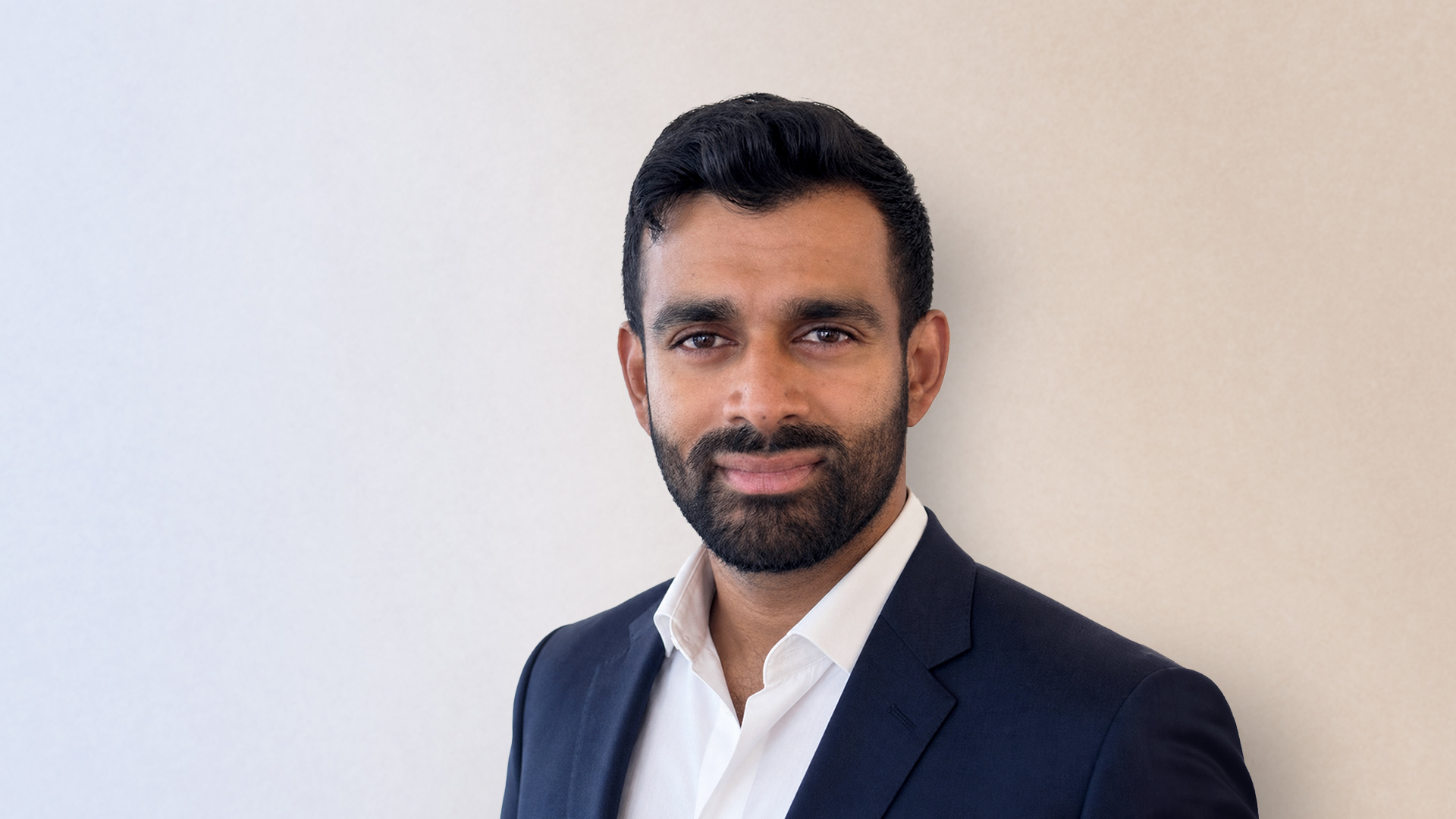
Paul Spain speaks with OpenAI's Gawesha Weeratunga about the rapid shift from chatbots to AI agents, why New Zealand is emerging as a global leader in AI adoption, and what organisations must do to stay competitive. They explore productivity gains, cybersecurity, governance, workforce impacts, and the growing divide between businesses embracing advanced AI and those falling behind. The discussion also examines regulation, real-world New Zealand success stories, and OpenAI's vision for a future where powerful AI capabilities are accessible to everyone.
Read the Full Transcription
Transcript is computer-generated and may contain errors.
Paul Spain:
Hey folks, greetings and welcome along to the New Zealand Tech Podcast. I'm your host, Paul Spain. On this episode, I'm joined by Gawesha Weeratunga from OpenAI's economic research team. Gowesha focuses on understanding how AI is changing the way people work, how organisations are adopting to tools such as ChatGPT, and what these shifts actually mean for productivity, jobs, and the wider economy. Now, this conversation is coming to us as OpenAI staff visit New Zealand to share their local survey results, which highlighted, you know, I think a number of interesting insights. First up is that Kiwis are sending close to 10 million messages on ChatGPT every day. It's claimed that productivity gains hugely significant, with 45% of the users they surveyed indicating they save at least 4 hours per week. If that was working hours, then that would equate to, you know, around a month of work annually.
Paul Spain:
Other things of interest, 13% of Kiwis surveyed rely on ChatGPT daily for fitness and wellbeing. 55%, we understand, have used ChatGPT to check symptoms or health concerns before seeing a doctor. Now, this was a ChatGPT-specific survey. I wouldn't be surprised if we found some of this data maybe a little bit skewed and, and where they've said they use ChatGPT I wouldn't be surprised if some of those respondents are just saying, hey, we've used AI for these things. Just my, my personal thoughts there. I wasn't close enough to the ins and outs of their survey. Also, Kiwis using AI to keep up with sports and news. So they're saying 1 in 5 using AI or ChatGPT, you know, All Blacks games and New Zealand's appearances in the FIFA World Cup.
Paul Spain:
A third, I think 31%, have used AI to create household budgets and track spending. 1 in 3 using AI to explore price ranges or budget-friendly travel options, and 18% to build out their holiday itinerary from scratch. They report a quarter of Kiwis turning to ChatGPT weekly for help with cooking and recipe ideas, and 21% using it to find restaurants, cafes. And also on the DIY front, 29% using image generation to preview how a renovation or household fix might look over the past year, and 51% having turned to it to troubleshoot an appliance and 35% using it to compare tradie quotes and decide whether to hire a tradesperson. So some fascinating insights. Now, before we jump in, a huge thank you to our incredible show partners, Spark, OneNZ, 2degrees, SAP, Workday, PwC, and Gorilla Technology. All right, let's jump in with Gawesha.
Paul Spain:
Well, I'm curious to hear, you know, about the research that's been done from, I guess, an economic perspective, what stands out about what you see in a New Zealand context compared to the rest of the world? How are we different?
Gawesha Weeratunga:
Yeah, maybe, maybe highlight 3 things. One is that like agents are coming to work. We see that in our data that the majority of tokens in enterprise are now from agentic use cases. We see the transition from bots to agents. Secondly, I think New Zealand is punching above its weight. If you look at New Zealand's GDP, it's like ranked 53 in the world. If you look at API developers who are active on our platform, New Zealand is in the top 50. If you look at ChatGPT usage, New Zealand is in the top 40 countries.
Gawesha Weeratunga:
And then lastly, if you look at agentic adoption, reference my earlier point, New Zealand is actually in the top 35 countries globally for the adoption of ChatGPT to work in Codex. And this is really exciting because that's kind of where the technology is heading. And you kind of saw the progression there. So I think that was like really interesting from a New Zealand perspective. And maybe the third thing I flag is that there is a large and kind of growing gap in the adoption of AI. Some people are kind of stuck. Some businesses, actually New Zealand businesses, are stuck in like AI as a chatbot phase. But then the frontier is moving towards agents and kind of delegating tasks to agents and to AI.
Gawesha Weeratunga:
So I think that gap is kind of increasing and that is like both interesting, but also an opportunity. for New Zealand, for OpenAI to deepen usage and to kind of transition to the next phase of AI.
Paul Spain:
Yeah. Now, in terms of that difference for New Zealand, is that a skew because we have so many smaller businesses? What do you, what do you pick as the reason that we're maybe a little above average, which, you know, we want to do well, right? But some, you know, sometimes there's a, is really obvious, this is because of X. Other times it's a, it's kind of combination.
Gawesha Weeratunga:
Yeah, that's a good question. Um, I think like New Zealanders, from my conversations that I've had so far, quite kind of very interested in technology and realize that AI has the potential to deliver a lot of productivity. In the survey research that we did today, there's a lot of consumer surplus that New Zealanders are generating. They kind of see in their day-to-day lives that, oh, ChatGPT, allows me to kind of like prepare for a renovation or answer questions or to kind of help you out at work. I think people have experimented with these tools and realized that there is value. And once you have the kind of initial kind of acceptance phase, it's kind of easier to ramp up with more advanced capabilities. But the technology is moving really quickly. So it's important to kind of stay at the frontier.
Gawesha Weeratunga:
This is not one of these things where you can kind of like rest. You kind of need to continue paying attention.
Paul Spain:
Yep. And what would you say for those organisations who are wanting to accelerate their leverage of AI? You know, how do you look at that sort of moving up the ladder as it were to get to, you know, a place where they have got that increased leverage rather than they're just sort of, you know, chatting with the app sort of thing?
Gawesha Weeratunga:
Yeah, there are 3 things. It's context, it's tools, and persistence. So let me break it down. Context is you need to kind of enable the right information in your organisation and making that available to data. It's really, really helpful for a model to understand how you kind of structure your documents or like what your organisational priorities are, what your goals are. Without that knowledge, the model is kind of generic, right? But to enable it to be useful for your particular application, that context is really key. Tools is another thing. Might the chart familiar? Maybe you didn't see this was like frontier organisations are using plugins 2 times more.
Gawesha Weeratunga:
This is like things like SharePoint, Google Drive. These are like the context. And then skills, which is like workflows, 6x more than the typical firm. So enabling access to like leading tools is a, is a second part. There's a lot of capabilities that are available in AI. Just now we have like voice mode, which I was demoing earlier. You have browser use, computer use increasingly.
Paul Spain:
Yeah.
Gawesha Weeratunga:
The ChatGPT is actually really good at taking kind of actions on your computer and interacting with traditional software. So that's like the tool piece, which I think is like really important. And then lastly, it's persistence. So we have features in the product that help you, that help agents work for longer. Things like goals and things like automations allow you to use AI more consistently. You'll see that we're transitioning from like static agents to more persistent agents. So imagine, you know, we're having a conversation in a year's time, I'd imagine we'd have agents that are kind of always on thinking about your next meeting, preparing you for what's to come tomorrow. So that's kind of where we're heading.
Gawesha Weeratunga:
So I'd say, yeah, context, tools, and persistence are like the 3 things that I'd encourage leaders to think about.
Paul Spain:
And how do you tend to look at AI governance within, you know, within business?
Gawesha Weeratunga:
Yeah, this is a really, really important question. And it's something that we need to kind of, leaders are grappling with across the economy. I think the thing that resonates most to me is that like, you kind of want to turn governance into kind of a comparative advantage. It's really hard to solve for all the edge cases in AI in a vacuum. You kind of need to iteratively deploy these tools, see where the limitations are, see where things break down, and then update. This is kind of tricky for some large organisations. So it's like, it requires a big change, but given how quickly the models are progressing, how advanced their capabilities are getting, it's important to like make contact with reality and see like, actually, like, does browser use work for my use case? Or is it actually going to make errors? Maybe we need to wait a little bit longer and wait so the models can become better. So this kind of governance actually enabling you to like deploy tools that are as close to the frontier, adjusted for your risk appetite, is a big part of it.
Gawesha Weeratunga:
And I also think particularly on the cybersecurity front, there's like a real opportunity for businesses to kind of use AI to make sure that the systems are protected and to find bugs that would have existed for a while. So there's also an important part of like ensuring a secure organisation, business data that AI can also enable.
Paul Spain:
What were the big learnings from OpenAI from the recent incident where, you know, one of your AIs was able to break out and hack into another I think there are a couple of learnings.
Gawesha Weeratunga:
So you'll see that firstly, we've like been really deliberate about being transparent about what happened. You obviously, we have like an investigation that we conducted as well as independent organisations like Meter and Redwood Research. There are like really comprehensive write-ups of what took place. I think the key lesson here is that AI, as like we probably predicted, is like really, really good at cybersecurity work. And this capability is something that is increasingly becoming evident. And we, as OpenAI, need to have the right safeguards in place to make sure that things like this doesn't happen again. And this is exactly what we work on. We pause research for 2 weeks to make sure that we have the time to set in the new safeguards and update our infrastructure.
Gawesha Weeratunga:
But it also raises a really important question for not only OpenAI, but for the industry at large, where There's a lot of legacy software out there. Many kind of governments, critical infrastructure institutions haven't had to deal with these kinds of risks before. And there are a lot of vulnerabilities out there in the world. And AI can help kind of discover those and patch those. So I think there's like a sense of urgency around cybersecurity that is actually, I think, going to be good for both the industry, but also for the world to realize and to prepare for kind of the AI future.
Paul Spain:
Now, one area that seems to be coming up more and more of a concern is that AI is able to do tasks that often might've been given to graduates to do. So there's a concern around, well, if that work is handled by an AI agent rather than by an individual person, then those graduate types of roles potentially Disappear. And, you know, I was just speaking at a, at a conference this morning and that was one of the questions that was raised. Now, this was more in the electrical operational sort of technology field where, you know, I guess it's apprenticeships, but there is that, that concern of how will we train people up? How will they actually get that skillset if we are handing those tasks over to, to AI?
Gawesha Weeratunga:
Yeah, this is one of the things that we're tracking very, very closely in our team. I would say that like our data to date shows that there hasn't been a material impact on entry-level work, but it's something that we're tracking closely. I think that what our data does show is that junior workers are the ones who have the most advanced usage of AI. These are the folks in your organisation who understand what your organisation is trying to do, but also understand the technology the most in the organisation. So I think that they're actually— junior workers bring a comparative advantage. when it comes to how to adopt AI in your organisation. A lot of decision makers don't use AI nearly as intensely or don't understand the capabilities of the tools, but you actually kind of want to look to junior workers in your organisation who understand the technology, understand where it's heading, and use their skills to prepare your organisation. So I think the, this is like something that we need to track, but I do think there's a really strong case for also junior workers having a comparative advantage on using AI, and that can be— the way that they differentiate themselves.
Paul Spain:
Yeah, I think that, yeah, there's definitely, there's definitely that, that perspective. I think there is that the reality of, if they're automating the things that they, they do, then there will be less work in that, in those areas to do.
Gawesha Weeratunga:
I think maybe I'll add to that, there's a lot of task change that is also happening. So that, that's certainly a trend. So it's really hard to predict exactly what the new tasks will be. But historically, if you think about like law firms, or you think about consulting firms, like entry-level workers have always been like, kind of like operating at a loss, right? You kind of hire these workers because they, you need partners in the future. You need leaders in the future. So I think AI doesn't necessarily break that, but we need to kind of see in which industries or kind of work, how it changes. But I think there is still a case for investing in young people.
Paul Spain:
Now, one of the things people are always curious about is where are the big, where are the big success stories, right? It's like, you know, we know that AI can, can do you know, so many things. Are there any sort of particular cases that really, you know, stand out to you of firms that, you know, either, you know, particularly those that have transformed more so than maybe being completely new businesses, but that side's of interest too?
Gawesha Weeratunga:
Yeah, that's a good question. So I think we see like, we see Arepa, we see Genesis Energy, we see One New Zealand, we see Xero in New Zealand. I think these like New Zealand businesses that are like finding ways of delivering goods and services around AI. And I think they've had a lot of success from like time savings to increase productivity, to providing personalized tax advice in the case of Xero to small businesses. So I think there are a lot of examples around how AI is helping New Zealand businesses deliver better goods and services.
Paul Spain:
Lastly, there are always challenges when it comes to new technology and how legislation should fit to ensure there's appropriate, you know, rules and guardrails for everyone. How do you, how do you look at that in terms of where society is today and where we maybe need to go from that perspective?
Gawesha Weeratunga:
Oh, that's a good question. I think how New Zealand approaches like regulation of technology is certainly a question for New Zealand policymakers and the New Zealand public. I think I'm here mostly to focus on the insights we're seeing on the enterprise side. I'll leave the New Zealand policymaking to the New Zealanders.
Paul Spain:
So OpenAI is not sort of pushing for, you know, particular types of legislation kind of anywhere in the world. You sort of really just wait and see what happens rather than, there's no areas where you think, hey, we need help. I remember, you know, in the past, Mark Zuckerberg sort of came out, you know, around issues around social media and said, well, hey, you know, we actually need some legislation. We'll operate within it. But that needs to come into play. You don't see there's any need at the moment for legislation?
Gawesha Weeratunga:
I think OpenAI is definitely working on like sensible policymaking around the world. I think there are like many proactive policy positions that I'd probably refer you to. But I think we need to kind of, our mission is to deploy AI to benefit all of humanity. And I think like regulation and rules is a really, really important part of that. That is something that varies by like department, by region. So I think we have teams working around the world, working with policymakers and elected officials to figure out what are the right sets of, uh, kind of settings and conditions across various issues, um, that makes sense for that particular context. So yeah, I think there's a lot of work going on for sure.
Paul Spain:
And, and look, yeah, I love, love the, the mission of OpenAI using technology to, to make things better for humanity. How, how do you think that could look if we were, you know, 5 or 10 years out from here? How, how would you picture, you know, the world looking from the research and the things that you've seen today? Where do you see that tracking to?
Gawesha Weeratunga:
Well, that's a great question. I think the thing that I'm particularly excited about is like the ability for AI to empower individuals. Historically, there has been such a concentration in like access to expertise where like, if you are affluent or well-off, you can kind of get access to world-class support and services. And the promise of AI is like anybody, no matter where you are in New Zealand, whatever your postcode is, you get access to the same kind of intelligence that Sam Altman gets access to. Uh, you get the personalized advice and education. And this kind of consumer surplus that I was talking about, I think is really, really profound. And this is why OpenAI is very focused on democratizing access to AI in as many places as possible. A big part of that is compute.
Gawesha Weeratunga:
A big part of that is helping people understand how to kind of get up to the frontier. So these are the kind of things that we're working on and prioritizing in our engagements in New Zealand. Guys, thank you. Thank you for making the time. It's a pleasure.
Paul Spain:
Well, thanks so much for joining us on this episode of the New Zealand Tech Podcast. And of course, a big thank you to our incredible show partners. I hope you'll show your support for Gorilla Technology, PwC, Workday, SAP, 2degrees, One NZ, and Spark. Well, that's me, Paul Spain, signing out for this episode. We'll catch you again on the next one.
Gawesha Weeratunga:
Cheers.