Lume Music – the startup backed by Lorde
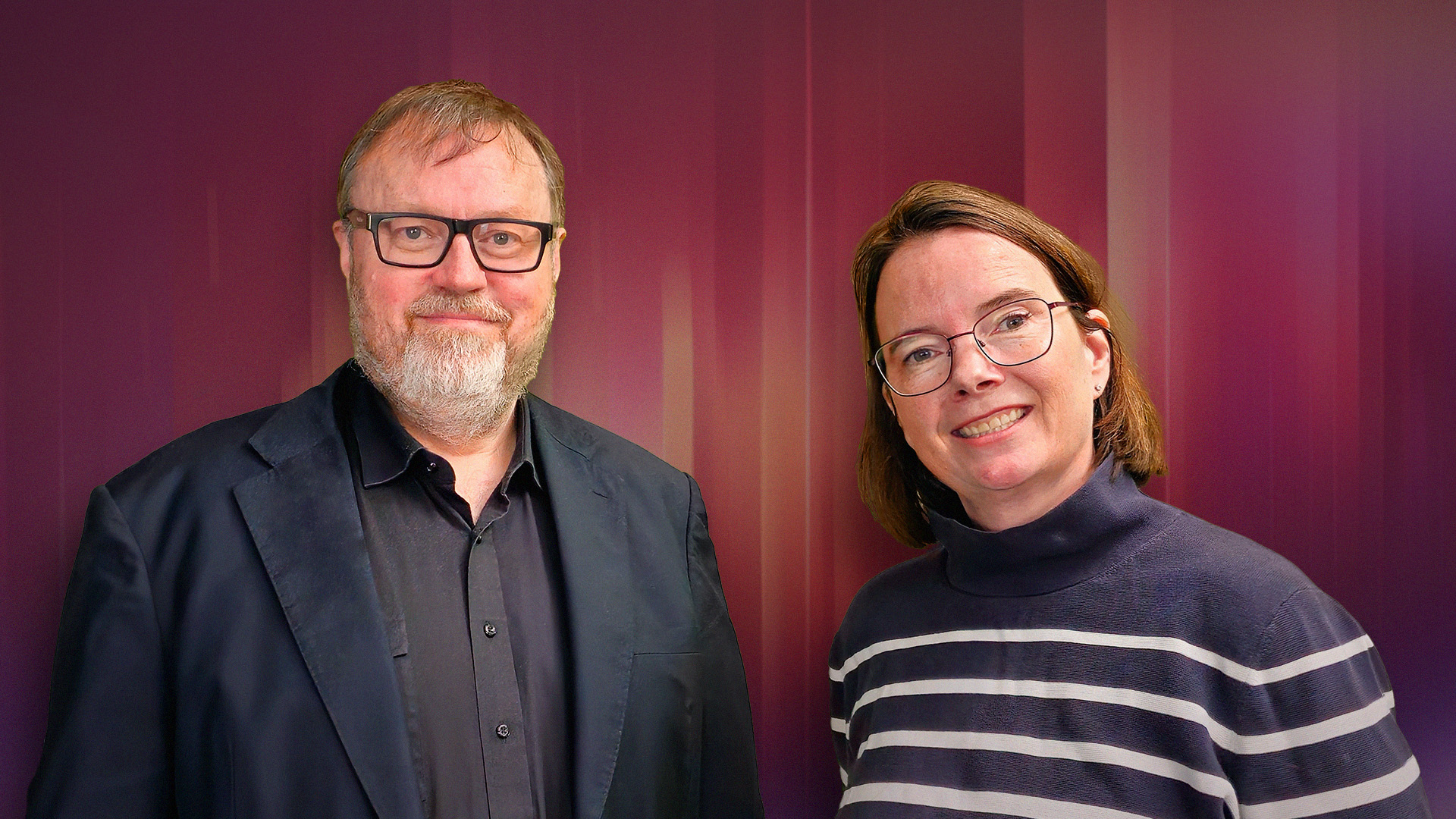
On this episode, Paul Spain talks with Sacha Judd, co-founder and COO of Lume Music, to explore her journey from corporate lawyer and startup investor to launching a new digital music platform designed to help artists connect more deeply with fans. They discuss New Zealand’s startup ecosystem, lessons from working with more than 100 startups, the challenges of building a tech company, internet culture and fandom, and why Sacha believes human creativity still matters in an AI-driven world. Plus, a look at how Lume Music aims to reshape the relationship between artists, albums and listeners.
Read the Full Transcription
Transcript is computer-generated and may contain errors.
Paul Spain:
Greetings and welcome along to the New Zealand Tech Podcast. I'm your host, Paul Spain. Joining us today is Sacha Judd, co-founder and chief operating officer of a tech and music startup, Lume Music, who have launched a new digital format designed to bring artists, albums, and fans closer together. Sacha is also a writer and researcher exploring fandom, internet culture, and online communities, with a background spanning corporate law, which is where I first came across Sacha, and early-stage technology investment. Sacha, welcome along to the show. How are you?
Sacha Judd:
Thanks for having me. I'm good.
Paul Spain:
Well, thank you for joining us. Now, before we jump in, of course, a big thank you to our incredible show partners for their support of the New Zealand Tech Podcast and of course New Zealand's startup tech and innovation ecosystem. So thank you to Spark, One New Zealand, 2degrees, SAP, Workday, PwC, and Gorilla Technology. Well, keen to jump in, hear all about Lume Music. But before we do that, you've gotta tell us a little bit about your background because I was just looking through emails and— And I saw, you know, one where we emailed back in 2012. You've been, you know, around in this sort of broader, you know, tech and startup world for a long time. A long time. You're now in sort of music and tech.
Paul Spain:
But, you know, what did those earlier years look like for you? 'Cause you've always, you know, seemed to be very much interested in the startup world and the worlds of innovation and—
Sacha Judd:
Yeah.
Paul Spain:
fundraising, all of those bits and pieces that fit together?
Sacha Judd:
Yeah, it certainly didn't start that way. My career was as a corporate lawyer to begin with. So I spent nearly 20 years working in corporate finance and capital raising for large companies. And it would've been around 2010, I think, I had made partner at my law firm. And one of the things that they don't tell you is you then have to go and find all your own work. And so I was sort of thinking about where that work might be coming from post-year 3. And at the same time, I think we were seeing a real surge in New Zealand software developers building new things, trying new things, and creating their first companies. They were working on apps.
Sacha Judd:
The App Store was becoming a legitimate way to make a living. And they often weren't taking any legal advice, or if they were, they were getting it from someone who was their uncle's divorce lawyer, or, you know, didn't necessarily have the expertise that they needed. I was spending a lot of time in those spaces because I'd always been a deeply online person and had a lot of friends who were, you know, in that sector. And I was going to things like Webstock out of personal interest because I loved the designers and creators that that conference was bringing out to New Zealand. And so—
Paul Spain:
Miss Webstock.
Sacha Judd:
Yeah, we all miss Webstock. We miss all the in-person events, Gather, Codemania, Kiwifu, you know, like all of those things that brought the community together. And so had just kind of crossed paths with a lot of people who were building. And I think my first tech startup client was Vaughan at Vend. And he said, you know, I've raised a little bit of money and I need a lawyer. And I was like, okay, let's do this. And by the time I finished practice, I think I was acting for over 100 Kiwi startups. So—
Paul Spain:
Wow.
Sacha Judd:
Yeah, it was quite a journey and I loved it. I loved, you know, I ran a lot of startup-focused events, events for founders and retreats and dinners and so on. in that early ecosystem. Now there's dozens of people who do that. So I was able to sort of step back. When you don't need to be doing something, you can let other people run the meetups. And out of that, I realised I didn't really want to be a lawyer anymore. And so I left the law behind, thankfully, and I went to set up and run Rowan Simpson's family office.
Sacha Judd:
And so he was obviously an early investor at Trade Me and at Xero. had made some very successful early-stage investments into Vend and Timely and others. And so I spent the next 7 years working alongside him and investing in early stage. So sort of crossed over into the other side of the table.
Paul Spain:
Yeah.
Sacha Judd:
And I always swore I would never start my own startup. I think being a lawyer and then an investor makes you extremely risk-averse because you've seen every conceivable way that a startup can go wrong. So I was like, no, there's no chance that I'm ever gonna do that. do my own thing. But sometimes an idea comes along that just captures you. And for me, that was Lume. And so it really started with talking with my co-founders, Duncan Grieve, who's from The Spinoff, and Justin Warren, who at the time was at Universal Music. They'd known each other for a very long time and had been kicking this idea around in the pub and came to have a chat to me because of my background and passion for fans, fandom, fan culture.
Sacha Judd:
And so we just started talking about it, meeting regularly. We found our 4th co-founder, Tim Harper, who had done the Great New Zealand Songbook back in the day, and more recently Glorious, which was a digital fine art collectible business. And yeah, the 4 of us decided last year that we needed to give it a try. So we raised some friends and family money from an incredible group of backers, including Calvin Rando, who's the founder of Letterboxd, and Hamish from Substack, and Lord came on board as investors. And yeah, and so we started building about this time last year. Wow.
Paul Spain:
So for those that are curious, tell us a little bit of what Lume Music is all about.
Sacha Judd:
Yeah, well, it was sort of born out of frustration, I think, that digital streaming made all of the music in the world available to us, and yet somehow We are listening to fewer and fewer albums. Artists are not being paid well, as we know. It's very hard to discover new artists that you love. Everything's been reduced to TikTok soundbites. And so we were looking at it and sort of saying, well, what's the digital equivalent of the kinds of things that we see in cinema and for books and so on? And there just wasn't a good, digital product for music lovers. And for whatever reason, the album is still the pinnacle of an artist's musical expression. They spend a lot of time thinking about the form of an album, the story that it tells, the artwork associated with it, the songs that make the album and the songs that don't. And then that all gets chopped up and thrown on social and streaming platforms.
Sacha Judd:
And the the artefact as a whole is lost. So we wanted to find a way to bring that back together. And so we call Lume the world of an album. It's a one-time purchase. And for $24.99, you buy and own this digital experience in the app, which comes with the core album audio, but then everything else that the artist wants to bundle with it. So it might be demos and B-sides and alternate versions. It might be live sets. It could be handwritten lyrics or sheet music.
Sacha Judd:
It might be their notebook when they were working out a song. Whatever it is that they want to— include and share with their fans.
Paul Spain:
Yeah, that's great. And we're in this time where vinyl has sort of come back into vogue. You know, there was a window of years where the only vinyl you would see would be, you know, DJs kind of, you know, would be playing off vinyl. And, you know, that was kind of really the main you know, what seemed to be the main sort of source of vinyl, but that's come back into vogue. How do you see that kind of crossing into the picture?
Sacha Judd:
Yeah, 19 years and counting, vinyl sales have been increasing year on year. And I think there are a few things that feed into it. I think some of it is this frustration with the kind of passive streaming playlist moment and its, There's something quite intentional about putting a record on and listening to it through. We have vinyl in the office and, you know, getting up to put the record on and turn it over is like part of your listening experience. And I think there's an identity piece, a collectibility piece around building a vinyl collection and what that says about what you love and treasure. So there's a few things that feed into it. We have a really strong thesis that vinyl people are loom people for many of the same reasons. And we like to think of ourselves as the kind of port incredible digital version of vinyl, particularly of the vinyl box set.
Paul Spain:
Yeah.
Sacha Judd:
We actually launched our first vinyl collaboration last week with Holiday Records, who are just based here in Auckland Central. So one of New Zealand's first 2 vinyl pressing plants since the '80s. And so we did a bundle with them for Lawrence Arabia's 20th anniversary edition. And you can buy the vinyl separately or you can buy a vinyl and a Lume bundle. And that means that while you wait the 6 weeks for the vinyl vinyl to be pressed and shipped, you have the immediate experience of the digital version.
Paul Spain:
Oh, that's cool. Now, before we delve more into the sort of the Lume story, because I know there will be some fascinating aspects and probably listeners already will have some questions in their minds that they'll be keen to hear about, I'm keen to sort of, you know, pivot back a little bit to your journey and, you know, time working with startups and founders. You worked across 100 startups. That's, you know, that's amazing. So yeah, what were the things that stood out to you about, you know, those founders and those startups that, you know, kind of got you fired up and so on, you know, the ones that maybe, you know, also did well?
Sacha Judd:
Yeah, I think the thing that motivated me really early on was the positivity and creativity in an innovation space. It's really easy, particularly at the moment when the world is mostly on fire, to feel pretty negative about everything. And in fact, I was at a founder dinner a couple of weeks ago that a VC firm was hosting. And the VC partner who was sitting next to me had come over from Australia and was sort of saying, oh, you know, how are you feeling about New Zealand? Everyone I speak to sort of is depressed and thinks it's terrible. And, you know, the economy's in the toilet and whatever. And I sort of, I was a bit taken aback because I know that that's true on one level, cost of living and inflation. And, you know, we have enormous challenges as a nation. But when you spend time around startup founders, you just have to have this kind of attitude of things are possible, that the— that there is so much room for growth and creativity and value creation.
Sacha Judd:
And there's something really energizing about that. So back when I was a boring legal advisor, I found it really great to spend time in startup spaces because of that. Um, and, and I think the other thing I learned is that it's just really hard work, which is why I I was not that excited about the idea of doing it myself. You have to be such a believer in what it is that you're building and such a champion of that relentlessly, like internally to your team, externally to your customers and investors, constantly sort of telling the story about why this matters. And, you know, that takes a lot, a lot of energy. And I have to say, I'm very grateful that I have 3 co-founders because the life of a solo founder, I think, is pretty grim. And with 4 of us, we're able to really share that burden, and each of us is sort of able to take time off when we need to and not feel like the business is going to collapse in our absence. And I think that makes a real difference.
Paul Spain:
Yeah, yeah.
Sacha Judd:
So yeah, it's that sort of creative energy and spirit. What did I learn about looking at a lot of them? I think you have to really care about the thing that you're making. I think some people sort of look at the startup space and go, well, what could I, you know, what would be successful? What would investors want me to build? And I think that's particularly true at the moment with AI making it possible to sort of vibe code a startup in a weekend, that there's people generating a lot of things that don't have any heart or passion behind them.
Paul Spain:
Yeah.
Sacha Judd:
And I think that that was the tip for me was that I, I wasn't gonna get involved in something unless I really cared about it. And yeah, that turned out to be this.
Paul Spain:
Yep, there's a lot of wisdom in that. I remember many conversations with potential podcasters over the years, they come and sit down, Paul, I've got this podcast idea. And one of the first bits of advice was always, well, how passionate are you about this? Because if you are not, then you might get, you know, half a dozen or so episodes out, but— You'll lose steam. You know, you're— this is not going to be something you're going to be, you know, loving and enjoying for a long time. You'll suddenly realise there's some work in it, right? And that's very much the case with startups, right?
Sacha Judd:
Yeah, 100%.
Paul Spain:
So, you know, you've got to have a fair bit of passion, I would think, in a lot of cases because You know, these things aren't this sort of perfect, straight, easy journey.
Sacha Judd:
It's a very squiggly line, yeah.
Paul Spain:
So looking across, you know, the startup ecosystem here, what do you think are the things that New Zealand, you know, New Zealand does well at? And maybe where are the areas you would think, oh, we maybe struggle a little bit more in some areas?
Sacha Judd:
Yeah, I mean, I think the cliché, which sort of is true, is that because our market is so small, we have to build with an international mindset from the start.
Paul Spain:
Mm-hm.
Sacha Judd:
And I think that does produce lean, hungry companies with big ambition. And I think that that's an asset for us. You know, there's no way to sort of rest on your laurels and build something that's just gonna work in New Zealand, 'cause the market's not big enough. And so I think that's an advantage. And I think that increasingly over the last couple of years, we've seen a real strength in deep tech, which I'm not sure that most people would've predicted. But, you know, if you'd told me that 10 years ago we'd be launching space rockets from New Zealand, I'd have laughed in your face. In fact, I think I did think it was crazy when I first heard about Rocket Lab, because the only thing I knew about commercial rocket launching was that it had to happen very close to the equator, because every kilometre away from the equator you got was increasing the cost of your payload. And so when I heard that somebody was planning to do it from here, I was like, that That makes no sense.
Sacha Judd:
But here we are. So yeah, I think—
Paul Spain:
Well, that one was an interesting, 'cause I was at their unveiling event or whatever you wanna call it for Rocket Lab. And on the wall were the rockets that they had launched previously, right?
Sacha Judd:
Yeah.
Paul Spain:
There was a handheld one, there's the, what was it, Atea? These little things that kind of look like, oh, that's a— Hobbyist sort of things. That's a fun sort of hobby, exercise and, you know, you've seen things on YouTube where someone, you know, launches a little bit of a rocket. But then, you know, sitting in front of us was, you know, what we were told was the Electron rocket. Now, you know, I think it was a, you know, more for the press event than anything else. But it really brought it to life of like, wow, this is possible. This is possible. This is next level. And yeah, and of course, Yeah, that one's definitely a good story and there's a whole lot more like it, right?
Sacha Judd:
Yeah, absolutely.
Paul Spain:
Yeah. One of the things that you would've, you know, seen that a lot of others wouldn't have seen would be the legal foundations, the sort of, you know, governance lessons. Any standouts there in terms of learnings?
Sacha Judd:
Yeah, I mean, my soapbox when I was a lawyer was always get a shareholders agreement. Because I just saw the same pattern repeated over and over, which is a founding team starts with all the best will and optimism in the world, and you just can't foresee what's gonna happen. And everyone assumes that it's gonna be a big dust-up, but it can be something as simple as one of the founding team wants to move overseas, or gets cancer and can't focus on the business anymore, or whatever. And if you've never thought about how you're going to deal with those situations and agreed something, even if it's just literally an email chain where you've sort of talked through a few scenarios, then it becomes really, really complicated. And so my sort of constant bugbear was just write something down. And I think that that sort of stuck with me is getting some of the basics right early on. It's never the thing that anyone wants to focus on at the start because you're moving fast and breaking things and, you know, you're trying to ship and I get all of that. I probably get it more now that I'm a year into my own one than ever before.
Sacha Judd:
But taking the time to sort of work out what those foundations are so that you don't sort of set yourself up for failure in the future.
Paul Spain:
And I mean, how much effort needs to go into getting those shareholder agreements?
Sacha Judd:
Oh, it's so little now. You know, there are any number of amazing, great templates that are provided locally. Please don't ask Claude to write your shareholders agreement for you, I will just say. Um, but, but, you know, like, local law firms have made available good workable templates. Uh, so, you know, it doesn't have to be a big effort. And in fact, one of the things I built while I was still at my old law firm, which, um, they've kept alive, which I love, is called Back of a Napkin. And you can find that at backofanapkin.co.nz. Oh, that's great.
Paul Spain:
Yeah.
Sacha Judd:
And that just asks 5 questions of individual collaborators, and it generates a 2-page PDF that you can sign and stick in a drawer. And so it's so simple to get something basic down.
Paul Spain:
That's cool. Now I've got to ask you to tell us a little bit more about the don't use Claude. I'm sure there'll be some of us that need to hear this.
Sacha Judd:
Don't use Claude for legal agreements. Let me finish that sentence. Yeah, look, we live in such interesting times, right? And I, you know, it's— I was just talking to someone in the States this morning about this. I think there's this enormous chasm between people who have used AI tooling for software development and the rest of us who are facing generative AI that is sort of trained on our creative endeavors and is feeding back to us this horrible diet of slop and hallucination.
Paul Spain:
Yeah.
Sacha Judd:
Those 2 experiences couldn't be more different. They should almost have different names. You know, code-supported software development is a genuine accelerator and is producing some incredible leaps forward. But it's also entirely objective and testable. And, you know, it's verifiable what it's doing. It can still, to be clear, run rogue. And we see that a bit.
Paul Spain:
But it's—
Sacha Judd:
It is a totally different experience than the kind of LinkedIn slop that we are getting people sending us in emails. Or, you know, I was watching a YouTube video last night. I had to stop after 5 minutes because it was so clear that the script was AI-generated, just had all of those verbal tells. And I was like, if you haven't and taken the time to write this, I'm not gonna sit here and watch it. You know, like the bargain around that is just awful. So yeah, I have extremely mixed feelings. I write a weekly newsletter about fans and pop culture. And because I don't want to be an AI hater forever, if it's true that the technology sort of surpasses us, one of my self-challenges is every couple of months I get the latest model to try and write my newsletter for me.
Paul Spain:
Yeah.
Sacha Judd:
You know, and it has all my previous ones. It knows my voice. It's got all the, you know, it cannot do it. You know, like every time I'm just like, oof, no. So I continue to keep an eye on that. I don't, I, you know, but I sort of feel like this message that we're being left behind by AI is just such a nonsense for most ordinary people who are just constantly trying to dismiss the bubble in their tools that says, would you like AI to help you with this?
Paul Spain:
Yeah.
Sacha Judd:
And it's like, no, we don't, we don't, we don't want that. I don't want it to write my emails. I don't want it to start my documents. I don't want it to digest my search results. I want it where it should be, which is somewhere else.
Paul Spain:
That's fascinating, 'cause I do keep hearing this, especially on creative things. And look, here am I hosting a podcast, right? I don't have a bot talking to your bot to create a podcast. And I deeply, you know, believe that there are things that are, that, you know, there's so much benefit in them being very, very human. But I do also think that, you know, within organisations, there are great opportunities in terms of using AI and leveraging it appropriately. And, you know, you touched on the, you know, on one of the biggest right now, which is the coding side.
Sacha Judd:
Mm-hmm.
Paul Spain:
So let's say I've got an agreement in front of me, should I be running it through AI to be my bush lawyer and review it? Or should we be—
Sacha Judd:
I think you can, but honestly, I mean, I talk to many of my friends who are still in legal practice and it's becoming a genuine grind for them because what I experienced in the pre-AI era is that I would often get a founder who would email me and they would say, I have downloaded this template from the States and I've made a few tweaks and can you just check it for me? And I would have to say, it will genuinely cost you more money and my time for me to read this from scratch, work out how it is working, try and see if it fits in the New Zealand environment, you know, make the changes that I need to, than for me to give you my template, which I know works, I understand the clauses, and it's good to go. Like, those 2 pieces of work are astronomically different. So what they thought was a shortcut—
Paul Spain:
Yeah.
Sacha Judd:
Was in actual fact The opposite.
Paul Spain:
The opposite, yeah.
Sacha Judd:
And now when I speak to friends who are still in practice, that's their experience of what's happening with AI. So a client will come to them with a clearly AI-generated set of stuff. You know, I've asked ChatGPT and it says that my causes of action are this and that and blah, blah, blah. Or, you know, I've, I've got ChatGPT to draft me this lease. Can you just check it? And it's like, that's not— that is not efficient. It's unlikely to be correct. And so it's tough. And I think now advisors are going back to clients with advice and then the client is putting that into Claude and Claude's saying that the lawyer's right or wrong.
Sacha Judd:
It's like Claude doesn't know. Claude doesn't know. Like, let's be clear. Claude is a text-generating machine. It's not a lawyer. Is it helpful if you are presented with something that's hard for you to understand to get a an AI tool to, to sort of interpret it for you, probably, you know, it'll give you a bit of a head start so that you're coming into those conversations, but you can't rely on it.
Paul Spain:
Yeah.
Sacha Judd:
You know, you don't know what it's choosing to pull out or why. And I mean, I had an example where our accountant sent me a working paper the other day about something to do with tax, and I could see that it had been AI-generated because I'd asked for something quite quickly, and the guy had obviously just gone away and spit this out. But the, the paper was like, you know, your agreement is silent on X or Y. And it's like, you haven't seen my agreement. My agreement's sitting here, you know. So the, the AI is just making that up.
Paul Spain:
Yeah.
Sacha Judd:
So yeah, not reliable.
Paul Spain:
Yeah, yeah, fascinating. And, and now you made a comment about, um, you know, putting something in front of a lawyer. So if you are wanting to use AI to help you put something in front of a lawyer rather than drafting an agreement, Do you get it to help you put the bullet points together for that piece so that you put something together that's, you know, well-rounded and it's just kept that very basics and then hand that over.
Sacha Judd:
Let the expert do what the expert does.
Paul Spain:
Thank you. That's good. All right. So internet culture and fandom, how did that become such a big interest for you?
Sacha Judd:
It's just really my nerdy life story. So I was one of the very first people to have the internet at home in New Zealand. I had been in the States. I used to debate competitively when I was at university, and I'd been to a world championships at Princeton, and all of the students there had email addresses for their university, and I didn't even know what it was. We certainly didn't have them here. And I came home, and the only place that you could get home access at that stage was the Internet Home Users Group. Long before it became iHug and then acquired and so on. And so convinced my parents that we had to have this thing that they didn't fully understand.
Paul Spain:
Good work.
Sacha Judd:
Yeah. I mean, it was pre-web. And so I was spending all of my time in Usenet groups. And I think like many people on their first kind of journey online, just went looking for the things that I loved, which was TV shows and books and whatever. At that stage, my favorite show, I wouldn't have described it as a fandom at that point, but my favorite show was The X-Files. And I found myself in X-Files Usenet groups and through those into transformative fandom spaces. So fan fiction and fan art and so on. And found my people and have been there ever since.
Sacha Judd:
So, you know, over the years migrated onto Yahoo Groups and then LiveJournal and then Tumblr and—
Paul Spain:
And now?
Sacha Judd:
and spend all of my online time in those spaces. And for a long time, that was sort of the internet's dirty secret. You didn't talk about that kind of fan culture stuff in real life. And certainly online was always under a pseudonym. And it was kind of professionally mortifying, the idea that someone in your real professional life would know that this was something that you did online. And one of the things I love is that this generation just doesn't buy that distinction at all. Everybody does fandom on main. No one sort of finds that too cringe, or if they do, they're sort of overruled by everybody else.
Sacha Judd:
And— but we didn't have that. It was a very clear distinction.
Paul Spain:
Gotcha.
Sacha Judd:
And so it wasn't really until I stopped being a lawyer that I was sort of freed up to be more public about about the things that I was interested in. And so yeah, it was, I stopped being a lawyer in 2015. 2016, I went to a tech conference in Berlin called Beyond Talorand, which I've since been at several times and spoke. And I gave a talk called How the Tech Sector Could Move in One Direction. And it was about diverse hiring for technology companies. But the whole talk was framed in and around the boy band One Direction. And the fans of that band and how we overlook the online activity of young women because they're doing it in service of something that we've taught them is embarrassing. And that talk went sort of weirdly viral.
Sacha Judd:
And so since then, I have been fortunate enough to be invited to speak at lots of sort of large technology events, often with a fandom lens. And so then I just started writing more in that space. I was kind of like, I feel like fan culture and fan communities teach us a lot about the history of the internet. And I'm working on a nonfiction book about that. But the way those communities grew and shaped themselves, moderated themselves, you know, it was all the early forms of internet community in general. And I think a lot of what we've lost as we have been sort of gated into these walled gardens, a handful of online platforms where we now spend our time, A lot of what we've lost is reflected in those fan spaces. And so yeah, I spend a lot of time thinking and writing about what we can learn, what we can try and get back, what we should think about differently for the next kind of generation of the internet.
Paul Spain:
Where do you see Reddit within your thinking? 'Cause that's still got the, you know, the handles and things like that.
Sacha Judd:
I mean, how did Reddit become the last good place on the internet? Like that's sort of the surprising thing, right? Reddit went through such a kind of phase of being a terrible cesspool of nasty online behavior, and then a cleanup, and then was it too sanitized, and then was it too, you know, like Reddit has been through many, many evolutions. But I think one of the things that's so special about Reddit right now is it's one of the few places where you can go and get human advice. And that's gone everywhere, right? Like search is dead. I just spent my Northern Hemisphere summer break with my godkids in Canada, which I do every year. And, you know, 12-year-olds don't say Google something, they say search it up. And that's, you know, search it up on your phone because they don't think about search engines as brand specific. It's just whatever you're in. And that might be a browser or it might be an AI tool, but you search it up, you search it up on TikTok or you search it up on YouTube.
Paul Spain:
Right.
Sacha Judd:
And so that, that sort of piece is search is so broken now. That to find the answer to a question leads you into a possibly untrue AI-generated summary, or a real person on Reddit who has worked out how to fix a leaky showerhead, or knows where the Aspear Berry is in Pokopia, or, you know, like that this— you can find a person who's done the thing.
Paul Spain:
Yeah.
Sacha Judd:
Probably several people who've done the thing. And that makes such a difference. So yeah, I don't really understand how we got here, but it's a magic place and I hope it continues.
Paul Spain:
Yeah, yeah. Now you've walked us through, you didn't wanna be part of a startup, then here you are. Here I am. I mean, I remember coming to a similar conclusion after being employed by somebody and looking at it. I've been in 2 or 3 businesses and at some point prior I'd thought, oh, I'm gonna, You know, do my own thing. And I came to the conclusion, no, definitely not, not going to be running a business ever. Yeah, don't, you know, don't do it. Don't do it.
Paul Spain:
Things do change. So quite a journey, right, over, over a reasonably short period of time. So maybe you can sort of walk us through some of the, you know, some of the realities, the, the ups and downs, the, the differing decisions, because, you know, you've got, you know, a really exciting idea, but But taking it from that idea into, yeah, getting the right, you know, team together. Do you wanna be co-founders with these people? You might get on well with somebody, but how does that work when you're in a different sort of level of pressure? You know, raising funds and so on. There's a lot there to deal with. There is a lot. And you don't know how any of that's gonna play out.
Sacha Judd:
Nope, you do not. No, I'm not. So, I mean, the first challenge for us last year was getting the initial bit of capital in. We knew that unlike some startups, you'll be familiar in startup language, you talk about building an MVP, minimum viable product. You can launch a business with a relatively slim version of whatever you're doing in the hopes of testing whether anyone actually wants it. And that's a great methodology. It wasn't gonna work for us because in order to build trust with the artists, and get them to give us their stuff, we had to demonstrate that we were building something that was gonna be a worthy home for their assets, and it was gonna be a great experience for their fans. So it couldn't be janky on day one.
Sacha Judd:
It had to be pretty fully featured. And that's a challenge, and it's expensive, and it takes time, right? So that was always out of the gate the hard part for us. We were very fortunate to have an amazing early believer in John Barnett, a real father of New Zealand music. on screen and music. And he believed in it so strongly, was such an early champion, wanted to invest, wanted to bring other people in to invest. And I spoke to him the day before he died and he was just so fired up about it. And so it was heartbreaking to lose him last year.
Paul Spain:
Yeah.
Sacha Judd:
And it really set us back on our heels, I think, as a founding group. We just sort of, we were sad and depressed and sort of staring down the barrel of having to reopen the round and go out and find more money. Yeah, it was a real hard moment. And I think we all stared each other in the eye and went, we're gonna do it anyway. So put more of our own money in, gathered the remaining investors together, and we were like, we're gonna do this. So, and yeah, so then it was, we started working with Daylight, the creative agency that was born out of the spinoff and now has like an amazing international roster of their own clients. And they did our initial brand and design work. Beautiful brand that they've come up with us.
Sacha Judd:
And so did all that initial discovery work with us around what the app needed to do, how it needed to work. On the way through, we hired an incredible head of design, Jade, and an incredible lead engineer, Driane. And so we gradually, by Christmas, were bringing that work in-house, building out the team. Meanwhile, Justin and J9, who are on artist relations, they were just just meeting with artists every day, all day, every day, showing them what we were doing, asking them what their pain points were, making sure we were building something that worked for them. And yeah, just a lot of meetings. There were a lot of sort of complications around rights, making sure that we were able to deliver what we wanted to on day one, incredible early support from APRA. We needed it to be chart eligible on day one. So talking with Recorded Music New Zealand, And we wanted to be able to bring in extra content.
Sacha Judd:
So meeting with RNZ and BFM to get access to their archives and their interviews and live records. So yeah, just a lot of meetings.
Paul Spain:
Yeah.
Sacha Judd:
A lot of kind of bringing that all together. And then this side of Christmas, it's just been the crunch towards launch. So what you see in the consumer app is sort of one of 3. apps that we've built. So there's the mobile app, which is where you experience a loom. But then behind the scenes, we have what we call Lume Studio, which is a web app where we build looms. And so that's a full kind of suite of tools that let us upload all the video, photography, arrange it, test it, launch it to a staging app so we can share it with the artists so that they can see that they're happy with it. And that suite of tools eventually will be available for external parties, artists, managers, labels, distributors to use themselves.
Sacha Judd:
Gotcha.
Paul Spain:
Now you mentioned our Lume.
Sacha Judd:
Our Lume.
Paul Spain:
What is a Lume? So that's your company name?
Sacha Judd:
It's the company name, but it's the app name and it's the format. So we think about Lume as the digital format. And if you think about the formats an artist might release music in, they're gonna release singles to streaming, they're gonna release a vinyl maybe, they release a CD, they're coming back now. And this is another format. So yeah, we talk about a Lume as being the bundle of content that you experience.
Paul Spain:
And this is L-U-M-E, not L-O-O-M-E.
Sacha Judd:
L-U-M-E.
Paul Spain:
Yeah, that's, that's cool. Okay, so if anyone while they're listening wants to, wants to check that out, what do they go and search for?
Sacha Judd:
Yeah, so just in the App Store, search for L-U-M-E, Lume. And we've put a free sampler in the App So you can download the app for free and you'll get a free compilation album in there with tracks from some of our launch artists and a bit of extra content from each of them so that you can get a taste of the experience. We've got a full store in the app, but I will just say that you're better off buying from our website, lumemusic.com. More of the money goes directly to the artist.
Paul Spain:
Right, because you don't have to do the— pay the App Store tax.
Sacha Judd:
Pay the App Store tax, that's right.
Paul Spain:
Gotcha, gotcha. Okay, that's good to know. Now, In terms of thinking of buying music, you know, forever, which I think is, you know, is the idea when you're buying and owning an album, the immediate thought in my mind is, hold on, this is a startup. Is Lume guaranteed to be around in 5, 10, 15, however many years?
Sacha Judd:
Sure.
Paul Spain:
How have you, you know, thought thought about that? Because you obviously want to give confidence to folks that, you know, hey, this is actually a permanent ownership.
Sacha Judd:
Yeah, that's right. It's one of the first things we talked about because, you know, we say buy it once, own it forever, and we want to mean that. And I think there is a very legitimate level of distrust in digital ownership at the moment. And that's fair. You know, we're seeing a lot of global players like Sony renege on the kind of deal that they struck when they sold you a movie or a video game. And we don't want to be in in that position. So our contract with artists allows for us to provide a one-time digital download in the event that we go out of business. So we, we want that to be meaningful, that you do actually own the thing that you've bought.
Sacha Judd:
We're also doing some work at the moment with our users around how people listen to digital music, because we know that inasmuch as Lume's a beautiful app-based experience, and you can AirPlay it to your TV and Bluetooth it to your sound system. We also know that some of our users have really bespoke digital audio setups and they want the audio files for that purpose. And so we're doing some user research at the moment around what best meets that need separate from the app experience.
Paul Spain:
How do you go about, you know, ensuring that that's a, you know, that that is a sort of a true contract with your, you know, with the consumer that's buying the music, does that mean that you build the functionality so that if, you know, if you ever were under that sort of position of, oh, we've run out of money, it's not, oh, we've run out of money, we need to find some more money to now be able to meet this commitment. Do you build that upfront as a kind of insurance policy?
Sacha Judd:
Yeah, yeah. You'll just get an email from us saying, we're very sorry, click here. It's not more complicated than that. Stop talking about us going out of business, Paul.
Paul Spain:
Well, not trying to overbake it, but it's all, you know, it's all part of that building that confidence, right?
Sacha Judd:
Absolutely.
Paul Spain:
As you want to know that it's been, you know, that those things are kind of catered to. So like when I look at the music industry, it's a very sort of challenging, challenging world because you've got so many different, you know, different players. Obviously, you know, there's millions of of musicians, millions of artists. You've got all the labels, they wield a whole lot of power, distributors. So I'm kind of curious, maybe you can walk us through how do you get from the initial ideas to actually striking up the sort of the partnerships and then on from partnerships to partners that you've signed up with actually delivering what you need to build out a good catalogue?
Sacha Judd:
Yeah.
Paul Spain:
That in itself is a— that's a huge lot of work, isn't it?
Sacha Judd:
Yeah, it's an enormous amount of work. Yeah, I mean, the music industry is notoriously complex. As a starting point, we begin our conversations with independent artists because they're the ones who typically own their rights, or a small group of people have control of their rights. And so they're very free to say, this is something I want to do. And, you know, we've had We've had a bunch of our launch artists in that category who are like, yep, I want to do this. They can sign a contract with us directly and we get underway. I think the— we've been meeting with the major labels Sony and Universal for 3, 4 years now. They've been enormously supportive.
Sacha Judd:
We meet with them regularly. They obviously want to see innovation in the space as much as anybody does. And we're really close to deals with them. That's just a commercial. Discussion. It's just about how much money they will make off each sale, how much money we will make off each sale. So those conversations are ongoing. And then I think between those 2 polar opposites is a whole category of artists who use distributors.
Sacha Judd:
And there's a sort of a dozen or so major distributors in the world who, if you're an artist who wants to get your music on a streaming platform, you go through through a distributor and they offer you a range of different services for a percentage of your income. And those organisations are very sort of digitally savvy. They're used to working with getting music out digitally. And, you know, we've struck deals with several of those already to work with their artists and their catalogues. So yeah, it's both a— an individual hand-to-hand combat game, and it's also a sort of moving up the value chain and finding the right people to partner with.
Paul Spain:
At what point would you expect to be in a position where, you know, you've got onto a flywheel where it's working for everyone? Every time you put more music on there, it's like, you know, you've got— you're profitable enough to kind of keep that going. But also for the artists, labels, and distributors, they know that it's worth their effort to go, you know, to jump through the hoops to put it on the platform? Because I imagine, yeah, you don't reach that at, you know, at day 1 or day 100 or day—
Sacha Judd:
No, that's right. I mean, I don't know if I'd put a line in the sand about when we think that is, but I think we can already see from these really early signals a couple of interesting things. One is that a quarter of people who've bought a Lume have bought more than And so that sort of collector behaviour is super interesting. It says to us that this isn't necessarily something where your favourite artist posts that they've made this thing and you love them and you go and buy that, but that's your one transaction with us. Instead, it says that the experience is good and you look around to see who else might be releasing Lumes. So that's really encouraging.
Paul Spain:
Mm-hmm.
Sacha Judd:
I think the second thing that's really encouraging is we released our first major Australian artist last Friday, the John Butler And that was our highest sales day since launch, not just for his sales, but across the board. And so again, that's like, we sold the most Big Runga albums on the John Butler Trio launch day. And again, it's that sort of shopping behaviour. It's like, this is great, who else do they have? So I think that helps with that flywheel point that you're talking about, is that the more artists that we can bring on, and particularly scale artists, they reach their audience of fans. So we're not like a classic marketplace in the sense that we have to go out and both load the store with artists and then convince music people to just come and shop. Every artist we bring on brings their audience and talks directly to their audience about what they're doing. So that gives us one sort of turn of the wheel, if you like.
Paul Spain:
Mm-hmm.
Sacha Judd:
And then from that, And if we can build an experience that people find engaging and enjoy as a music lover, they're gonna look to see what other artists are doing it as well.
Paul Spain:
And, you know, in this— in a Spotify world where somebody has to get a lot of plays to sort of, you know, see money in their bank account.
Sacha Judd:
Yep.
Paul Spain:
And I still remember an old flat that I used to live in, and up on the wall was a cheque from a record label to an artist for like $15 or something.
Sacha Judd:
Yeah.
Paul Spain:
Here's what you've earned for the whatever period of time it was, right? And, you know, of course they didn't have obviously the scale to generate a whole lot. But that $15-type cheque, we still see that going on today. But for people that are actually getting a fair number of plays of their music. So how does that actually— how does it look for an artist?
Sacha Judd:
So our commercial proposition is that 80% of our net revenues, that's after sales tax and app tax and payment processing and so on, is shared with the artist. with the artists and their rights holders. And the reality of that looks like around $14 an album at a $24.99 sale. So to get that cheque on the wall, you'd only need to sell one Lume, roughly. And I think the track stream equivalent is around 4,000 track streams. streams. So if you buy an artist's Lume, it is the financial equivalent of streaming their tracks 4,000 times. So it's definitely better.
Sacha Judd:
And I think there's something— I was talking to someone who was a big K-pop stan who had— has tried Lume and really enjoyed it, even though we don't currently have K-pop artists. And she was saying— Oh, my K-pop stan. Yeah, absolutely. Anyone out there who's got links to a K-pop artist, let me know. They were saying that part of being a K-pop stan is this kind of fan labor of streaming. It's like you want your faves to climb the charts, and so there's this relentless streaming battle. Like, you have to be streaming all the time to make sure that your artist is doing well. And she was saying that she found the experience of buying and listening to a Lume conversely really relaxing, 'cause she said the transaction is done.
Sacha Judd:
You know?
Paul Spain:
Yeah.
Sacha Judd:
Like, I've paid the artist properly. And now I can just listen to the music. And I was like, yeah, what a lovely way to think about it. Yeah.
Paul Spain:
And you mentioned Lorde as one of your investors.
Sacha Judd:
Yes. Yep. She backed us early on, which is extremely encouraging. And she has said to her fans that she's going to bring Virgin and its extras to the platform.
Paul Spain:
Right. So that's a bit of a journey to get all of those things kind of lined up. Yeah.
Sacha Judd:
Again, it's just lining up all of the behind-the-scenes contracts to make that happen.
Paul Spain:
Yeah, that's exciting. And, you know, based on our previous discussions, you must be very excited about this new AI music that's starting to appear.
Sacha Judd:
Yes, you'll find on our website one of our FAQs is, does Lume have AI-generated music? And the answer is a firm no. Look, there are plenty of places you can find AI-generated music if that's your jam. Lume is not one of them. We're focused on human-created music and creativity and making sure that real human artists get paid.
Paul Spain:
Yeah, I think I was on YouTube Music, which, you know, comes with my YouTube subscription, and yeah, just found like, oh, hold on, what's this? And, you know, you're getting AI music just dropped into your stream, uh, as far as I could tell, without being given an option of yes or no on it.
Sacha Judd:
You feel a little bit cheated? I feel a bit cheated. I'm kind of like, but I would have If you'd given me a choice, I would have chosen to listen to real people who are out there struggling to, you know, make music and get people to hear it. I would rather that.
Paul Spain:
100%. You want to support that genuine creativity, right? Not something that's kind of— anyway, let's not get into that big discussion and debate.
Sacha Judd:
No, it's not for us.
Paul Spain:
So really, what's ahead from here, Sacha, in terms of the journey for So many things.
Sacha Judd:
What's the biggest challenge? Maintaining our relentless focus is one of our biggest challenges. Look, up next for us is Australia. So John Butler Trio was our first large Australian artist. We're planning towards a much larger launch in November in association with their Australian Music Month. And so we're currently actively building the slate of those first Australian artists. We have a very big New Zealand artist who I can't talk about, but who's coming to the platform in October. So working on that release. Meanwhile, things like this vinyl collaboration that we've just done with Holiday Records, that's really exciting to sort of think about what does physical and digital look like.
Sacha Judd:
Billboard has just released a new category for what they call smart albums, but it's this idea that you might purchase a physical thing, a collectible or a tchotchke of some kind that unlocks a digital music experience. So we're doing some work around what that might look like. We've had some amazing inbound inquiries from the UK. So just starting those conversations for the new year. And yeah, I mean, we just want to be able to bring the musicians that you love to the platform as quickly as possible while maintaining the quality of the experience. So yeah, we've got big plans. We want to make it much more shareable and social for fans who have bought Lumes to talk about that, you know, to sort of— clip and share bits of the content and to sort of talk about their favorite looms in a way that's, you know, that's a bit more word-of-mouthy. We want to bring in the ability to gift and lend looms.
Sacha Judd:
In the old days, you would lend a CD that you loved to a friend. We want to be able to do that. You know, it grays out of your collection, but it's in your friend's collection for 24 hours or a week or however.
Paul Spain:
That would be genius.
Sacha Judd:
Yeah, so we've got big plans.
Paul Spain:
It's one of the horrible things I find with, you know, ebooks. It's like, oh, just want to—
Sacha Judd:
Yeah, just want to lend it to you.
Paul Spain:
I paid for it, I own it, can I loan it out? And it's like, no, no, no, it doesn't work like that.
Sacha Judd:
So we want it to work like that. Yeah.
Paul Spain:
If you can find a kind of a way that, you know, is good for the artist and good for the individuals, that would be a great win.
Sacha Judd:
And it's got to be great for the artist because if I lend you the album and you love it, then you might buy it.
Paul Spain:
That's gonna work out well. Yeah, yeah, exciting. Well, look forward to sort of following the journey ahead, Sacha. So thanks for, you know, coming in and sharing a little bit of, you know, what's happening for you.
Sacha Judd:
And if people pop on the website and sign up to our updates, we're dropping new releases every week. We always send out a little newsletter with what the new music is. So if you sort of miss that music journalism piece that we no longer have, it's a great way to find out what's come to the platform and that might be worth checking out.
Paul Spain:
Yeah. And so are there any sort of exciting new up-and-coming, you know, artists that you can—
Sacha Judd:
There are, but you're gonna have to sign up to find out. I'm not allowed to talk about it. Justin will have my neck.
Paul Spain:
All right, well, very exciting. And, you know, for those that are into their music, then you better jump across and visit the website, or is it loommusic.com? Is that right?
Sacha Judd:
That's right.
Paul Spain:
Yep, L-U-M-E, or have a look at the app. So that's awesome. Well, thank you so much, Sacha.
Sacha Judd:
Thank you. It's been a pleasure.
Paul Spain:
Great to have you on the podcast.
Sacha Judd:
Enjoyed it.
Paul Spain:
It's been a long time coming, but we've finally done it. That's great. And of course, a huge thank you to our incredible show partners, partners, PwC, SAP, Workday, One New Zealand, 2degrees, Spark and Gorilla Technology, hugely appreciative of their support. Now of course if you've been watching the video, do make sure you're following us on your favourite audio platform and of course if you're listening, which I know is most of you, then yeah please follow us on the video side as well. You'll find from time to time there's a few interesting bits and pieces that are worth watching as well as, as well as listening to. All right, we'll catch you on the next one. See ya.