Inside Surface: Microsoft’s Vision for AI Computing
Join Paul Spain as he goes behind the scenes with Microsoft’s Surface team for a closer look at how AI is reshaping the future of personal computing. He sits down with Nancie Gaskill, Chief Operating Officer for Surface, and Angela Chen Krauskopf, General Manager for Surface Hardware Engineering, to explore the thinking and innovation driving Microsoft’s devices. From running more AI directly on our PCs to designing the hardware that will support increasingly intelligent experiences, the conversations reveal how Microsoft is approaching the next era of computing and how the relationship between people, AI and their devices could evolve in the years ahead.
Read the Full Transcription
Transcript is computer-generated and may contain errors.
Paul Spain:
Greetings and welcome along to the NZ Tech Podcast I'm your host Paul Spain.
Today we're hearing from two Microsoft insiders from Seattle. Key members of the Microsoft Surface team and I was fortunate enough to spend some time with them during the ANZ launch of Microsoft's Surface Laptop Ultra.
First up is Angela Chen Krauskopf, General Manager for Surface Hardware Engineering, and additionally we get to speak to one of Microsoft's VPs Nancie Gaskill, Vice President Surface Business at Microsoft.
Paul Spain:
You're going to hear some interesting insights into what goes on behind the scenes at Surface, how Microsoft is thinking about AI and the future of the PC, and where computing might be heading next.
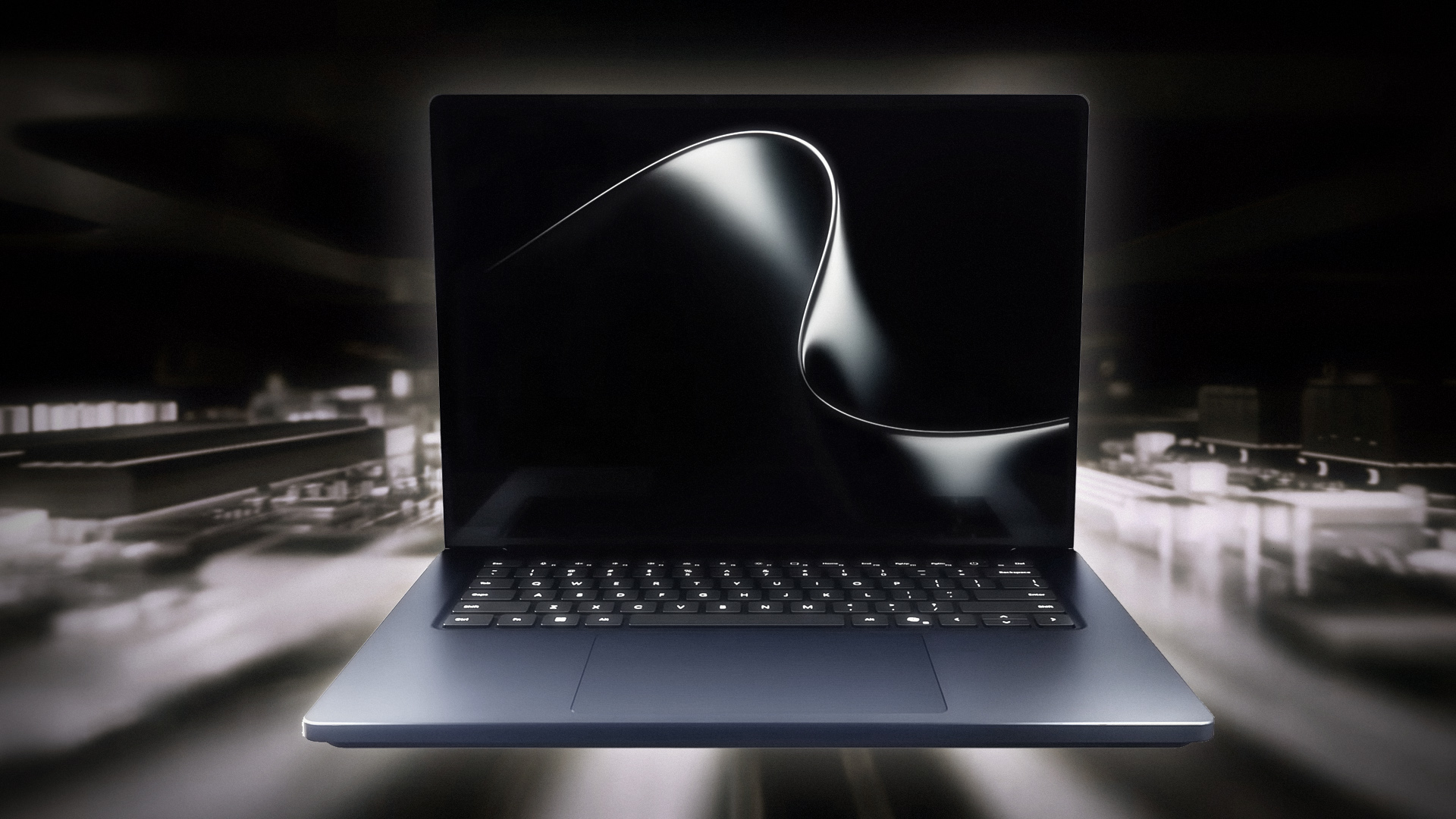
This episode comes as the future of where AI processing might be carried out is shaped – will it be in the cloud, or should it happen locally? Microsoft and Nvidia are betting at least of chunk of it happening on local laptops and PCs, and are therefore launching the Surface Laptop Ultra to fill that gap for laptop users.
For reference, the Surface Laptop Ultra has launched locally now - powered by the Nvidia RTX Spark ‘Superchip’ and up to 128GB RAM. Pricing ranges from $5,600 to $12,200 depending on configuration.
Before we begin a big thanks to our show partners One NZ, 2degrees, Spark, SAP, Workday, PwC and Gorilla Technology
Now let’s jump in with Angela Chen Krauskopf, General Manager for Surface Hardware Engineering
Paul Spain:
Exciting. Angela, could you maybe just do a little introduction, your name, what your role is, and yeah, just a quick kind of 30 seconds?
Angela Chen Krauskopf:
Okay, yeah. So my name is Angela Kraskoff. I've been at Microsoft for about 15 years. Currently I'm the general manager for Surface Hardware Engineering, so I lead an engineering team mostly responsible for the earlier front-end development of products. My team is currently focused on, you know, what's coming next in the next few years and trying to figure out what technologies or what problems we're trying to solve, and then figuring out what we want to compose into a product when we get closer to, you know, every launch season.
Paul Spain:
Right. So when it comes to something like the Surface Laptop Ultra launch, how long ago did that start and how long ago did you take your hands off and start on the next projects that, you know, no doubt is coming down the track?
Angela Chen Krauskopf:
Yeah, that's a good question. So I think a lot of the early work on this product probably started about 4 years ago. I think Ish mentioned to you before, we were previously working on Laptop Studio 2 and trying to figure out what the future generation of that product line was going to be. And I think we Decided to pivot from that form factor into something that would focus a little bit more on the performance side of things and be able to invest more of our resources and dollars into making that better. And so, deliberate choices to change the form factor and lean into the space that we're in today to bring the most performant laptop to life. So.
Paul Spain:
And in terms of, you know, this journey, how hard is it to, you know, to get from those initial ideas to where you've actually got the product is launched now, it's in market, and, you know, no doubt along the way that's full of, you know, a fair few number of challenges.
Angela Chen Krauskopf:
Yeah, I would say there's different types of challenges depending on where you are in the timeline of product development. Early on, the idea generation is not hard. That's maybe the most free-flowing point of what we do, where you're just brainstorming ideas. We're collecting a lot of inputs, you know, internal ideas or ideas from partners or signals that we get from the field. So there's lots of things coming in on Hey, we could add this feature. We should try to do this, or we have a problem in our existing lineup that we want to try to solve in a different way. So we start with those ideas, and my team again early on just works on the problem solving things and trying not to necessarily converge the idea, the architecture of the product too early. So we're incubating kind of ingredients that we can then pull from as the concept of the product itself.
Angela Chen Krauskopf:
Then when you get into understanding what are the priorities of that product, you have to start converging or making trade-offs between some of the ideas that you have. And that's where things do tend to get a little bit more challenging. It's not so much solving a singular problem, it's trying to solve the system of problems. So how can we bring all of it together? And that's where we bring, you know, different teams, obviously different priorities and different ideas. We work very closely with Our industrial design team, so they have very, very challenging and aggressive product design targets. So usually they want our products to be thinner and lighter and smaller bezels, and the engineering team wants to put more things, more features, more components into the product, right? So you kind of have this tension, but that tension is actually, you know, while it's really hard, it's also really, really fun when you come out of it with win-win solutions in the end. And that's kind of what we're all about, is to dig really deep so that we can solve a problem that we didn't think we could solve before. And so, for example, with the Surface Neo Ultra laptop, we really wanted to increase performance, which means your thermal design has to get substantially better.
Angela Chen Krauskopf:
You have to be able to sustain, you know, much, much higher power loads over a greater amount of time. But you still want to do it in a laptop form factor that you can carry with you everywhere. So we had limits On how heavy can it be, you know, how bulky can it be. The team really took that challenge on and threw a lot of creative design, you know, just in the layout of the motherboard and the fans to the component designs themselves. So every component in Surface is intentionally designed. And the fans, you know, thinking about the actual design of fan, we didn't just take an off-the-shelf fan. We actually designed everything ourselves. The shape of the blades, the number of the blades, the airflow path around them, the housing design, right? So everything is kind of really, really intentionally designed or built in a way that helps us deliver our system requirements.
Paul Spain:
Mm-hmm.
Angela Chen Krauskopf:
And so by digging deep and like going to where nobody else has gone before, we're able to find these creative solutions to problems you know, that didn't exist, the solutions never existed before.
Paul Spain:
Mm-hmm.
Angela Chen Krauskopf:
And then we can come up with these customer experiences where we can deliver performant devices, you know, that are thinner and lighter than anything that exists out there today.
Paul Spain:
Mm-hmm.
Angela Chen Krauskopf:
Wouldn't happen without Surface. And I think that that's one of the unique things that I love about, you know, the company, I love about our organization, is that we really prioritize that methodology to how we develop products.
Paul Spain:
And, you know, you talked about trade-offs. What would be an example of a trade-off where, you know, you had to give away a dream, but, you know, you've ended up with something that you're obviously, you know, really proud of? What would be something that you weren't able to achieve?
Angela Chen Krauskopf:
Yeah, I mean, I think the pivot that we made from Laptop Studio, for example, into the form factor that you see today, we obviously traded off some of the you know, really cool articulation of the display that brought value to lots of our customers and we also enjoyed. But you end up having to kind of pivot into, okay, how do we want to focus our energy and the problem solving into very specific places where it's going to be a priority for that product or for our customers or for the market? And so we have to make, you know, some of those trade-offs in that way. Mm-hmm.
Paul Spain:
And help us understand, you know, how the team comes together. Like, you've obviously got different teams doing different, you know, different things, different parts of the world even. You know, what did your team look like in Redmond? And, you know, what's the sort of size and scale? And, you know, what are the different parts that people do?
Angela Chen Krauskopf:
Yeah, the engineering team, they're very collaborative. And so I think, you know, most of my team sits in a team room together. where there's, you know, lots of common space. The ID studio is, you know, just one building over. And so we spend a lot of time, you know, between our engineering labs and the ID space and kind of, again, co-creating essentially.
Paul Spain:
What's the ID space?
Angela Chen Krauskopf:
So ID space is, you know, kind of our more creative space, right? And so that's where they bring and build a lot of models for a lot of different, some of the iterations that you saw on the tables over there where we were trying to define, you know, the port layout. So what ports do we want on what side, or how do we want the profile to be shaped around the closures? So we'll build, you know, hundreds of models and use some of our like 3D printing kind of prototyping methods to kind of lay these out. And so in the ID space, we bring these visual models together and the team can sit down and touch and feel and experience, okay, do we like that? Because it's very different sometimes looking at a shape on a screen versus actually touching, feeling, and holding it and understanding whether it's going to convey kind of the experiential situation that we want to convey. So we make a lot of trade-off decisions in those spaces where we have an idea of, you know, the engineering team believes that we can build this, you know, it can be structurally sound, it can function the way that we want. Mm-hmm. The ID team says, hey, we want to shape it a little bit this way so it looks and feels this way. And we bring it together in these spaces to kind of lay it all out on the table and figure out, okay, like, is it going to work? What trade-offs do we want to make? How do we want to tweak things and iterate and work our way to the final decision?
Paul Spain:
And walk us through how the sort of the build quality and process has changed across this Surface journey, because those, You know, the early Surfaces and other vendors' products too, there was like, oh, this bit's glued here together. And, you know, there were varying ways of doing it. The repairability, you know, was, you know, next to nothing. And yeah, in fact, my most recent Surface laptop, there was an issue and the solution was, Paul, we'll get you a new one. In New Zealand, it took a month to get that replacement. Whereas with another vendor, there's a, you know, some, and some vendors, there's an ability for them to take it apart, replace, you know, components. How does that picture change and how does that make, you know, your design and engineering, you know, harder or easier in different ways?
Angela Chen Krauskopf:
Yeah, I think, I mean, it's evolved a lot and I think we continue to learn as we go. And so, you know, we learned from the beginning we were trying to solve a different set of problems. Once we solve those problems, we kind of move on to the next problems. We get feedback from our customers, we know what the pain points are. And so I think we're constantly trying to evolve and get better at our processes. And so as our, you know, as our technology, as our products have matured over time, there are, you know, different ways that we can focus our energy. And so getting to repairable devices has been a goal since the beginning. But in the first few generations, you know, we were gluing parts together because that's all that we knew how to do at the time.
Angela Chen Krauskopf:
Once we kind of got past that, now we can start to see those improvements take shape. And we're, you know, many, many generations into Surface now. And so you'll see kind of the maturity of our development processes and the maturity of what we know about our customers kind of show up in the devices. From an engineering perspective, we care a lot about not only how the product comes together, but how it comes apart. And that's super important for us, you know, both in being able to extend the, you know, the useful lifecycle for our customers, but also at the end of the product lifecycle, being able to take it apart and recycle it.
Paul Spain:
And what are the trends within, you know, from your seat and where you sit that maybe have come through in this product cycle, you know, but maybe even, you know, the things that you're thinking about now, you know, for future generations that might not just be within the Surface world, but the trends that are impacting, you know, how devices are designed and put together?
Angela Chen Krauskopf:
Yeah, I mean, I think, you know, Surface serves a purpose. I think we are trying to, again, be more creative in our problem solving. We're trying to bring better designs to our customers. We're trying to figure out, you know, interesting ways to bring new innovative experiences, you know, through our hardware. And so I think we constantly think about, you know, what does the next generation need to do that's different from what this generation does currently? And we're, obviously in this kind of AI world now, and it's changing things so dramatically. So we actually have to, to make a lot of educated guesses about how people are going to interface with their laptops in the future and what from a hardware perspective can we do to both be ready for it but also influence it. And, you know, from my perspective, I think that Surface can lead in ways that, again, we can bring very unique solutions. And I believe that, you know, how we interface with our laptop will change and how much the laptop understands about context, about what the user wants to do or what the state of the device actually is or what the environment is doing around you at the moment.
Angela Chen Krauskopf:
I think all those pieces of information are really critical to you being able to interact with your device. in a Project A4 world. And so how I think about this is just, again, we're in that incubation phase right now for the next generation of products, is what can I do from a hardware perspective to get ready for this device needing to know a lot of different things and being really, really accurate and really efficient and still delivering all the fundamentals that we've kind of evolved to today? So it's a lot of new things, but it's a very interesting challenge. It's a place that's changing a lot every day. So I think that it's really exciting for all of us.
Paul Spain:
We seem to be moving to a world where the need to interact with software as we traditionally did, point and click and so on, in a lot of cases is sort of disappearing because AI can actually go and take care of a lot of those tasks for us. What do you think that means for Microsoft, for PCs, for the services in the future? Does that mean we end up with a whole different kind of world in which we operate and the way we use and carry devices? Do we have a, are we carrying more devices 'cause we need local compute, more happening in the cloud? Like, how do you think through what's ahead? Because you need to be planning, you know, 4+ years out, right?
Angela Chen Krauskopf:
Yeah, I actually hope so. I hope that what we do in 5 years is completely different from how we're imagining things today. So we take a lot of bets, you know, I think we have to make some guesses. And we bound those experiences right now with our imagination, right? And so to me, to be able to take steps into a space where we don't know and can't predict, We actually just have to build, and so we have to imagine these things that we could do, start to build things, and start to test them out. So my my team will sometimes you know just build cardboard models, for example, and we just need to touch and feel and see things. Oh, does that feel like it's going to be compelling, or is it not as exciting as what we had imagined in our heads? And and so this this is where I think we have to you know take a leap of faith that we want to start incubating you know ideas and ingredients that could lead to devices. interfacing with us in different ways. We're gonna test them out along the way.
Angela Chen Krauskopf:
We're gonna, you know, get feedback and understand if we actually can build and amplify the experiences. So it's not just one specific thing that this device can do, but a whole family of things related to some functionality that we bring into it.
Paul Spain:
And, you know, does Microsoft have a view that Windows has to be, you know, really key to to that future? Do we have a world where, you know, we don't use that type of form factor, right? I remember a video going back, I don't know, maybe a decade and a half, maybe 2 decades, where from Microsoft, that was a look at the future and it was a, you know, like a piece of glass that you put in your pocket and you could tap that in and, you know, access screens and interfaces where you need it. I mean, now we're not necessarily even needing to touch those interfaces. You You know, with AI, do we just, you know, use voice that links back to, you know, computing power that's somewhere else?
Angela Chen Krauskopf:
But I will say that I think Windows is very much a part of it and like, Windows evolution, hardware as an endpoint evolution, like, all this will change together. But, you know, being part of this one Microsoft, I think we have immense capability to do things across, you know, both hardware and software together. So I envision a world where we all kind of change together, and we're going to experiment along the way. We're going to get inputs, and, like, we'll make it better because we are Microsoft. So.
Paul Spain:
Great. All right. Thanks for your time, Angela.
Angela Chen Krauskopf:
Thank you.
Paul Spain:
Much appreciated.
Angela Chen Krauskopf:
Thank you.
Paul Spain:
Cheers.
Paul Spain:
And now, let’s jump into my chat with Nancie Gaskill, Vice President Surface Business at Microsoft.
Paul Spain:
So you've had quite a varied kind of history with Microsoft in all sorts of parts of the business, supply chain and all sorts. Tell us how that fits together with, you know, this work that you're doing, you know, with Surface and on the devices front today.
Nancie Gaskill:
Yeah, absolutely. I've been at Microsoft for 20 years, as you see, and I actually started as a college hire. So starting out from a supply chain standpoint really taught me taught me kind of the end-to-end business. So understanding from a manufacturing standpoint, lead time standpoint, but also from a customer. When we get the orders, what's the expectation that we're setting? How are we meeting those needs? And then from there, I actually did the chief of staff job for the leader of Surface. So I've been a part of Surface since before it started from a supply chain standpoint and then had the opportunity to help build the business for the first 5 and a half years with the leader of the organization. Wow. So when I think of how does that contribute to where I'm at now and what I'm doing as Surface's Chief Operating Officer, it really is about making sure that we're meeting those customer needs, we're hearing the feedback, and we're helping to integrate that end-to-end in the product as well as through our processes, from a supply chain standpoint and delivering that product into the hands of the customers.
Nancie Gaskill:
And, you know, that not only is a consumer, but it's also businesses and understanding their needs and education as well. And so I get the opportunity now to meet directly with them and hear the feedback, which is always wonderful, and then help to work with the engineering team and integrate that feedback into our portfolio.
Paul Spain:
Yeah. Now, how How is Microsoft looking at the role of Surface within the business today? Because when Surface started, it was a way to, you know, nudge the other, you know, computer manufacturers that made Windows devices along. This was the messaging. Some wondered whether does this displace the other players, which, you know, clearly, you know, that hasn't happened. Mm-hmm. You know, how important is Surface in terms of encouraging other manufacturers in terms of their Windows devices versus something that generates, you know, profits for Microsoft from a business perspective directly?
Nancie Gaskill:
But this one—
Paul Spain:
how much is— is there any spare space next to Nancy on that one?
Nancie Gaskill:
Otherwise I'm just talking on.
Nancie Gaskill:
No problem. So when we started Surface, Our goal was to bring innovation and show the way. Our goal is always to lift the entire ecosystem.
Paul Spain:
Mm-hmm.
Nancie Gaskill:
Now, part of the benefit of Surface is working with hardware and software together. We're able to work closely and help solve some of the problems that we may not get the feedback loop as fast. And when I was just talking about my engagement with customers, that's one great example because we're also the OEM. We interact directly with those customers. And so when I think of now, how has that evolved over time? Because it has. Our goal is to lead the ecosystem and then raise all tides. And so you can think of that when we first started, we did it with Touch and Windows 8. I'm sure you remember.
Nancie Gaskill:
But now it's really about how we're leading with this device. And we co-engineered with NVIDIA the RTX Spark to enable all that capability from an AI and a leadership standpoint on the Surface Laptop Ultra. And so the, the journey honestly has just continued. The mission has not changed in what we're trying to do. And our role is to make those longer-term bets. I think you've heard from some people today about how long this work has been underway. And so we need to be on that forefront and thinking of where do we want to go, influencing and engaging with our silicon providers. And then building the OS with that silicon and the hardware to actually bring what's possible to life.
Nancie Gaskill:
When we do that, we build the platform that the whole ecosystem can benefit from. And ideally, that's what happens is we raise the tides and we're able to scale across all the personas and meet the needs of our customers.
Paul Spain:
Okay. So if I put this simply, let's say Surface had 25% market share of PCs. Would that be a cause for celebration within Microsoft, or would that be a problem?
Nancie Gaskill:
It's a really great question. Our goal, like I said, if the market share actually increased for Windows overall in that context, it would be fantastic. But ultimately, our goal is to make sure that across Microsoft, Surface is leading the way in all of the ecosystem. is engaged. We're not here to compete with our OEM partners. We're here, hence the word I just said, they're our partners.
Paul Spain:
Okay.
Nancie Gaskill:
And we wanna make them better so we're bringing the best experience to our customers.
Paul Spain:
Sure. Now, looking at where things are landing with Surface Laptop Ultra, what are the key things? You talked about trust. What do you think are the risks that you're attending to with this technology?
Nancie Gaskill:
Well, in general, I would say a lot of people have some concerns with AI. Now, Microsoft is built on trust. We think about that. We talk a lot about security being by default and by design, and that is embedded end-to-end regardless of what product you offer. And so when I think of what we're trying to bring, first and foremost, you know, in a world of AI, when there's a lot of ambiguity out there, we need to build the trust first. We need to bring all of the security for those agents. I think you know the Microsoft mission, but our goal is to empower every person and organization to achieve more. As we think of AI and where it's going, and with agents, That helps human ambition come to life with AI.
Nancie Gaskill:
We don't think of it as AI takes over. We think it actually helps the human to meet these ambitions that they have, that they maybe haven't been able to before. But if you can't trust the system, you're not going to leverage it in the way that you want to actually meet those needs. And so that's how we think of building the trust first is the critical foundation. Mm-hmm. which is embedded across our end-to-end stack. Like, we think of security from the silicon layer through the OS, through the device, and all the way to the cloud.
Paul Spain:
Okay, now we've been talking about hybrid intelligence. Yes. How do you use that personally in your day-to-day work? I'm presuming you are using a Surface Laptop Ultra yourself. Is that a fair assumption?
Nancie Gaskill:
Well, it depends on if I'm traveling and what I'm doing, so. On a regular basis, honestly, I use my little Pro 12-inch because it's very light and easy and it has the capabilities I need as well. So on a regular basis for what I'm using, but it's the same thing. It's just a matter of what workloads you're trying to achieve on any given day.
Paul Spain:
And yeah, I guess what I'm getting to is, you know, probably most of us are using AI in the cloud today, you know, with, We understand Copilot plus PC is about being able to do things locally as well. I haven't seen a lot of kind of real evidence of that. So I'm kind of keen to understand, like, you know, how much do you use this today? How much are we really looking 3 months, 6 months, 12, 24, 36 months out? Yeah. You know, in terms of for that picture to be something where, You know, actually we are getting a significant benefit. If people are gonna drop, you know, a New Zealand dollar terms sort of north of $10,000 on a laptop, then obviously they're looking for a return on investment.
Nancie Gaskill:
Absolutely.
Paul Spain:
Some people are just happy to buy the latest and greatest, but in most organizations there's a need for that to, you know, that to stack up. Do you see that as something that is, you know, for the foreseeable, you know, next 2 or 3 years, is gonna be quite niche in terms of users? Or do you see this across, you know, average everyday kind of home users, small business users, and, you know, typical kind of office workers? How do you see that mix looking?
Nancie Gaskill:
Well, I think the opportunity does go across all of the users. And to your point, leveraging the cloud economics, you know, it really does have a cost. And so, when we think about the users and the tasks that can be done locally, when I think of simple things like translation is a simple one that I use every day.
Paul Spain:
Mm-hmm.
Nancie Gaskill:
Well, that can be leveraged on my existing Copilot+ PC devices, and that is locally done. And the reason that it's so valuable to be locally done is because when I'm meeting with someone that's speaking in Japanese, I wish I knew the language, but I don't. I want real-time translation so I can have that conversation. So that's one simple example that's leveraged on a regular basis with an everyday AI. Now, when we think about—
Paul Spain:
What do you use to do that today?
Nancie Gaskill:
Oh, it's through Windows. It's actually the—
Paul Spain:
Just the built-in capability? Yeah.
Nancie Gaskill:
We did it when we brought actually Copilot+ PCs to life. The other ones I would say that are naturally on in Windows that we brought with Copilot+ PCs is just some of the camera technology. Again, you don't want latency with this. So, like, if you think of blurring or some of the backgrounds, if there was latency, it really wouldn't look great.
Paul Spain:
Of course.
Nancie Gaskill:
And, you know, I'm sure you do this stuff all the time. And so, it's very hard when you're seeing different things and distracted by what's going on because it's not coming through. And so, those are the things that make sense for the local AI. Now, as we think of, to your point, Surface Laptop Ultra and how is this offsetting the cost of leveraging cloud and tokens, I do think right now, and as we're targeting with this device, it's really about those creative professionals as well as those developer scenarios. And we do see them leveraging AI and we've been measuring. So even internally at Microsoft, we look at the range, you know, and there is a range. But if I think of some of the software developers and the workloads, it will pay off very quickly because the amount of things that they are leveraging AI for from a local standpoint, going and pulling code or going and putting that code in, reading the code, all of those things can be done locally. And when I use it, I use GitHub Copilot on a regular basis and I use Auto so that actually leverages the models in the most efficient way.
Paul Spain:
And that's the key to unlock, isn't it? Is using— For hybrid intelligence. Using GitHub Copilot like that with that auto setting where it'll choose local or the cloud. So that's going to mean that folks will maybe need to change their tools or things will need to happen with some of the other tools in the market, right?
Nancie Gaskill:
Well, and in general, what I would say is over time things are changing. I mean, the rate that things are changing with AI is incredibly rapid. And I think of even my personal experience in this, like early on, you know, you're using it to summarize notes or simple things like that. Well, now I'm able to create agents that I can say, go review, because we have our WorkIQ and it's all contained, you know, within the Microsoft.
Paul Spain:
Sure, sure.
Nancie Gaskill:
But I'm able to say, go read these emails, tell me what's most urgent. Go help me with this presentation. This is what I want it to do. And so I've taken a lot of that tactical thing out of the process so that I can spend my time thinking about strategically, what do I want to get done with this?
Paul Spain:
Yeah. Which is great.
Nancie Gaskill:
How do I format it?
Paul Spain:
Sure, sure.
Nancie Gaskill:
What color goes where? You know?
Paul Spain:
Yeah. Looking back at the local AI capability, I mean, it's nice that we can, you know, blur our video backgrounds and so on. And, you know, I think that's probably pretty normal almost regardless of, you know, what sort of device you've got these days. You know, we can now send you know, send a text, screenshots, change varying, you know, settings. Yeah. That's all coming through into Windows. But, you know, what do you see as those really big things that are local that are gonna make a— that are gonna really, you know, make a difference that, you know, you are expecting customers to say, we're buying the Surface Laptop Ultra, we're investing in this next wave of AI that's hybrid, that's able to process locally. What are those things that really stand out and you see as where the value and the benefit comes from, either in completely new capabilities or in terms of moving where the cost sits from the cloud back to local?
Nancie Gaskill:
Yeah, it's a great question. And honestly, I wouldn't say it's one thing. You started out by saying, you know, why do you need an NPU and what is it? Many companies are developing models for their specific use case scenarios and needs. And so that's a little of the opportunity is it's not just one and it shouldn't be because everyone's workload's different. My guess is the way that I work is very different than the way that you work. And some things are going to be the same. We want simple summarization. We want things to be simplified.
Nancie Gaskill:
Now, if we're in a business And if I think of, let's say, a financial company, they want the privacy because of all of the data that they're dealing with is very sensitive information. And so they want more of that processing on models locally. Well, they can leverage their information in their systems to be able to create those models to leverage it locally. And that's where we see a lot of kind of the, I would say, more opportunities today.
Paul Spain:
Interesting, right? 'Cause Microsoft's also saying, hey, you can trust us to do that in our cloud, right? So there's a bit of that competition between, hey, we can do this securely in the cloud and the, hey, don't trust the cloud, do it locally.
Nancie Gaskill:
Well, I don't think people don't trust the cloud.
Paul Spain:
I know, I know. I'm kidding you there. Now we're just running out of time. So if you were kind of look out, say, 5 years from now, maybe 10, Mm-hmm. How much do you think that we are going to be processing locally from an AI perspective versus the cloud? Obviously that varies for everyone. So if you were to sort of step back, like, because today it seems like that's, you know, probably below 1%, right? Do you see that sort of stepping up to, you know, pretty significant figures or you're not clear on how that lands?
Nancie Gaskill:
Well, honestly, in 5 to 10 years, it's incredibly hard. When I look at the last 6 months—
Paul Spain:
2 years.
Nancie Gaskill:
6 months, things have changed so dramatically. And so, but I do think that, you know, the models are evolving, the ability to compress and get models on devices. So this Surface Laptop Ultra has capabilities to run 120 billion parameter models. Today, many devices cannot. Over time, that will go up as people figure out how to compress and shrink some of these models or make them more efficiently run. And so, to your question, I don't have a great answer because things are changing and evolving so quickly. It may not even need to be five years before we get there. It could be much shorter.
Nancie Gaskill:
It could be much longer. All depends on how we continue to evolve models and the efficiency. of those models as well as the capability of devices. Like when I think of Surface Laptop Ultra, that capability never fit into a form factor like we have today in a portable form factor with that power and performance. You know, it used to be a much larger box.
Paul Spain:
Yeah.
Nancie Gaskill:
And so I, I don't have a great answer for 5 and 10 years, but what I do have confidence is the evolution is going so quickly that I think we are gonna see more local models on the device running than you think in a faster term.
Paul Spain:
And with software vendors, do you think they're really waiting for the hardware to really demonstrate it's capable and for this sort of new hardware to have significant market share? Because there's not really a lot that we can actually do locally for the typical user. There's mostly, if there's an AI function within the software, that's part of a subscription, it's being done in the cloud, you've got to pay that monthly cloud subscription rather than doing anything locally. Is the challenge there just that there are not enough users with a lot of local GPU and NPU capability?
Nancie Gaskill:
You're probably going to have to repeat that question for me to make sure I'm understanding it fully.
Paul Spain:
Okay, so if we look at the software available today, whether it's, you know, graphics products, you know, anything that might be able to use the, you know, the processing of the Surface Laptop Ultra, there actually, there is a pretty small, you know, number of options in terms of software that's gonna really leverage that locally. If you buy your Adobe Suite and there's, say, AI functionality, yes, there's some that can happen locally, but a lot of those things are tending to happen— In the cloud. In the cloud. And that seems to be the case across software. Obviously, there's some nice demos of, you know, this product will do this much locally. But at the moment, there's that challenge of, do you buy a device where those capabilities actually, you know, can't be leveraged unless you're in a particular pocket? Or do you pay for your cloud subscription? You really just have to pay for it to be, you know, the AI to be processed in the cloud, it seems. How do you see that changing?
Nancie Gaskill:
I actually think, to your point, part of it is making sure we have capable devices and silicon. And I think that is evolving. We're seeing that today, you know, with Surface Laptop Ultra and what we've launched. So that's the first part is you have to have the capable silicon devices and platform to be able to do it. And then your second question is, hey, why aren't maybe these ISVs doing this work locally? And what I would say is, as they see the capability of devices devices, they're doing more and more with that. So when I think of video editing as an example, you want that to be far faster. And so they are learning how can we offload more of those things. And so we have worked with many of the ISPs.
Nancie Gaskill:
When we think of the breadth of devices, I think that it's continuing to evolve. It's a little bit of my story earlier of— Yeah.
Paul Spain:
I
Nancie Gaskill:
mean, I think of my personal journey and how I've leveraged AI and how much it's ramped. And I think it's gonna be the same for everyone else. And so as that continues to evolve, so will how they think about what's going in what position from a hybrid capability.
Paul Spain:
And how do you think of the future of the interface, right? We've used Windows for decades, you know, mouse click. We've started to use voice for communicating with technology. But we're now getting into a world where you don't need to do click ops. You don't need to go into an application to click and do things. So will we still need the Surface Laptop Ultra? Will we still need these devices if actually, you know, AI can do the work for us and we don't need to sit in front of a device?
Nancie Gaskill:
Yeah, it's actually really interesting you say that. So I think there's use cases and needs that will continue to go across the spectrum depending on what you're needing to use it for.
Paul Spain:
Yeah.
Nancie Gaskill:
But one of the things that I love most about where we're at is I've always said, well, I kind of had to learn computers and how to speak to computers. Now the computer's learning me for the first time. So I get to speak and engage with the device what's comfortable to me. And what's great about Surface is we've always leaned into that multimodal input. So to your point, you know, it was always typing for a long time. Okay, well, we also leverage pens and now we leverage voice and we see that a lot with technology. As these continue to evolve, I think we will continue to evolve the technology to meet those needs. But I think there's different scenarios that people will leverage different input mechanisms.
Nancie Gaskill:
I think we're going to start to see a broader array of how people
Paul Spain:
Okay. And just as we finish, sort of, I guess, looking ahead, some of the features that we're seeing that are new kind of today, we might well be taking for granted years into the future. What do you think that, you know, that you've announced, you know, this week, you know, what do you think of that? Do you think we will just take for granted in a few years? That's just, hey, this is just the norm now. But today it's completely at the cutting edge.
Nancie Gaskill:
I honestly think to your point, just the ability to have the capacity and capability of, and the security of something to work on your behalf with your permission, I think that will be something that is just taken for granted. Like, well, yeah, of course, that's how technology works. But back to the point, like forever, I had to learn the language.
Paul Spain:
Yeah.
Nancie Gaskill:
And so in the future, I do think that will be what's taken for granted, but it will be because the capability, not only from a hardware standpoint, but platform, as well as how the technology is evolving from the computer interface to your very question. And so I think it's gonna become so natural that you don't realize all of what it's taking to make it happen. It will just be like a conversation.
Paul Spain:
Great. Well, thank you for the conversation, Nancy Gaskill.
Nancie Gaskill:
Absolutely.
Paul Spain:
Much appreciated.
Nancie Gaskill:
Appreciate your time.
Paul Spain:
Thank you.
Thanks for listening in, I trust you enjoyed hearing an inside perspective on Surface and how Microsoft is thinking about the next generation of computing.
Thanks of course to Nancie Gaskill and Angela Chen Krauskopf and Microsoft ANZ team for getting me to Sydney for this episode.
And, as always, a big thanks also to our incredible show partners Gorilla Technology, PWC, Workday, 2degrees, Spark, SAP, and One New Zealand for making NZ Tech Podcast possible each week.